
Police chief: Helena’s step away from immigration enforcement is practical, not political
What changes for the Helena Police Department now that the City Commission passed a resolution to keep HPD out of immigration enforcement?
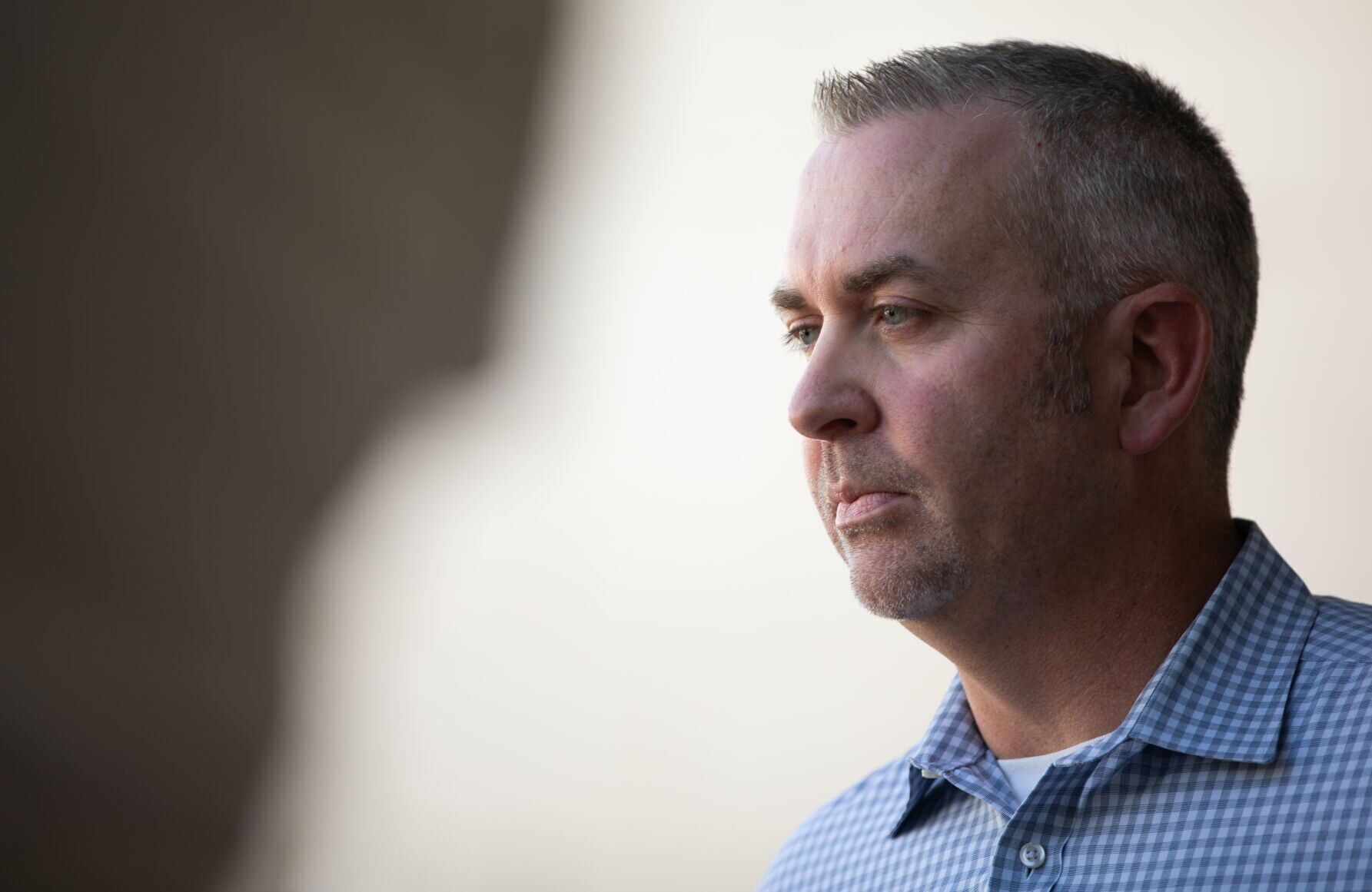
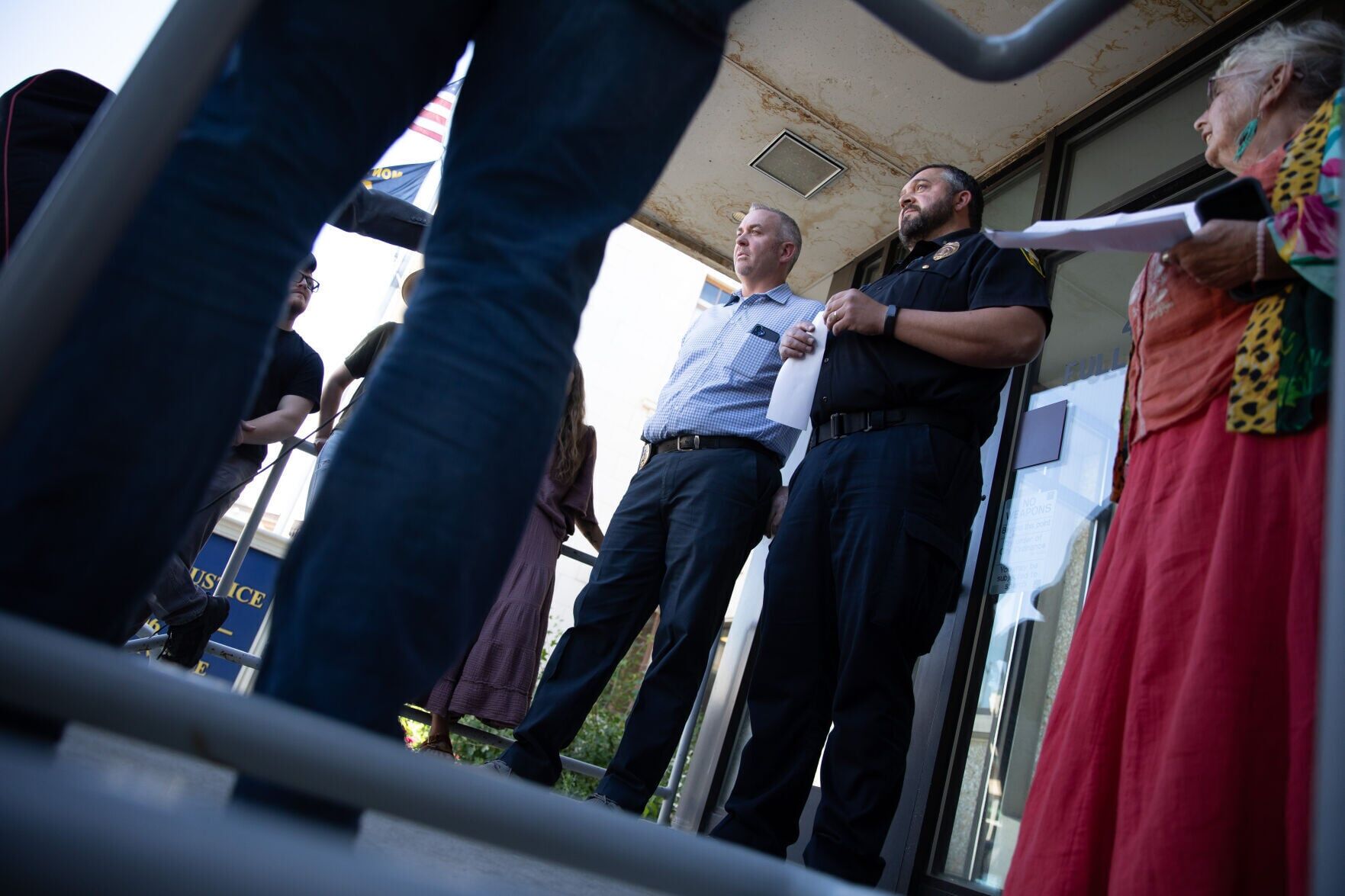
Not much, HPD Chief Brett Petty said in an exclusive sit-down interview Thursday with the Independent Record, alongside City Attorney Rebecca Dockter and HPD Lt. Adam Shanks.
Months of work and public comment came to a head Jan. 26 when the Commission passed a resolution 4-1 declaring it wouldn’t approve an agreement with U.S. Immigration and Customs Enforcement that allows local officers to perform certain immigration tasks, along with other steps against aiding federal agents with immigration enforcement.
On Jan. 1, HPD also pulled out of the Missouri River Drug Task Force after the multiagency task force added U.S. Border Patrol to its ranks, concerned the addition would lead to more local officers having to perform immigration enforcement duties.
Public commenters at City Commission meetings recently have both applauded and condemned HPD for staying out of immigration enforcement, connecting HPD’s policies with a heated national debate after two Minneapolis civilians were killed in altercations with federal agents this month.
But Petty doesn’t feel HPD is acting on politics, community pressure or what's happened in Minnesota, he said.
HPD just doesn’t have the staff to pursue immigration enforcement activities, he said.
“We know we’re taking a lot of heat for it,” Petty said. “I would rather shoulder that for (HPD officers). ... They can’t have an opinion. They have to be neutral.”
The Commission’s resolution instructs HPD to not disclose sensitive information, such as an arrested person’s immigration status, to anyone outside city government unless required by law or a valid court order. Helena police also wouldn’t assist in detaining people solely based on their immigration status.
Whether the intent of the resolution was political or not — Petty advises Helenans to ask the City Commission — most of it just repeats existing HPD policy, Dockter said.
For one, a resolution is guidance, not an ordinance, meaning it doesn't carry the same weight as a law or even an official policy, Dockter said. HPD falls under the city manager's purview, so a disagreement between HPD and the Commission would be handled by newly sworn City Manager Alana Lake.
HPD policy already doesn’t allow officers to hold individuals for immigration charges unless the detainees are charged with a federal crime or have a warrant, affidavit or removal order, the city states on its website. Racial profiling is already prohibited by law, Dockter said.
The lone tangible change the resolution brought is a push to identify federal agents, requesting they unmask at an HPD officer’s discretion, Petty said. When public commenters at Monday's meeting wanted HPD to demand federal agents identify themselves, Dockter and HPD pushed back.
“The masking, ‘the sole discretion of the officer,'" Petty said Thursday, quoting the Commission’s resolution. “That happens every single day. If you take away that discretion from the officer, you might as well not have police.”
Forcing officers to unmask federal agents could land them in legal trouble, as HPD is forbidden from interfering with federal officers, Dockter said. However, Petty said he doubts it will be a problem.
The only recent time HPD has encountered masked immigration officers was when Helena resident Christopher Martinez was arrested in July 2025, Shanks said, and only one of them wore a mask that day.
HPD works with state and federal officials on a weekly basis, but that’s usually in an office or investigative capacity. Agents walk in with IDs at the ready and have no reason to be masked, Petty said.
Even if the Commission hadn’t taken a stance against a 287(g) agreement, the contract that allows local officers to perform immigration enforcement tasks, Petty said he doesn’t think he’d pursue one. He said his staff only has the capacity to focus on local crime.
HPD currently has a budget for 54 sworn officers, a number Petty said has hardly changed since he joined in 2003. In 2024, a public safety levy that would have paid for eight more officers and a crash investigator was rejected by city voters. Petty said because the department's budget comes out of the city's general fund, convincing voters to pass a levy is one of the only options to increase the size of the force.
The department is in the process of interviewing candidates to fill three positions and has several hired officers currently in training at the Montana Law Enforcement Academy, though they will need to be partnered with current officers once they graduate for an on-the-job training period, which takes up resources, Petty said.
And police work already takes time, the chief said: A simple traffic stop with a DUI requires two officers and around three hours of paperwork.
It’s the same reason he withdrew from the MRDTF, Petty said. If the detective he previously assigned to the task force was asked to help with immigration enforcement, it would take away resources from HPD’s limited staff.
That detective will still work with the task force to stop drug trafficking, Petty said. He'd be willing to have the department rejoin the task force in a few months if it showed immigration enforcement wouldn't interfere with its primary mission, a move he expects would ignite controversy.
As a whole, Petty knows there's no winning public approval when it comes to immigration. Part of it is that the situation is politically loaded, he said, but another part is that people don't fully understand the nuances of what HPD does and why.
All he can do is stick with what's best for Helena and the resources he has, Petty said.
"That group comes in and says, 'Hey, thanks. You guys are doing a great job,' and then the other side torches us," Petty said. "We can't win. We've known that for a long time."


Comments ()