
Polygraphs and a power struggle: Montana PSC to decide the fate of its president
An attempted mutiny is on the agenda for the Public Service Commission’s Tuesday meeting.
The five all-Republican members of the Montana Public Service Commission (PSC) are expected to vote on whether to remove Commission President Brad Molnar from his leadership role, but he is not going down without a fight.
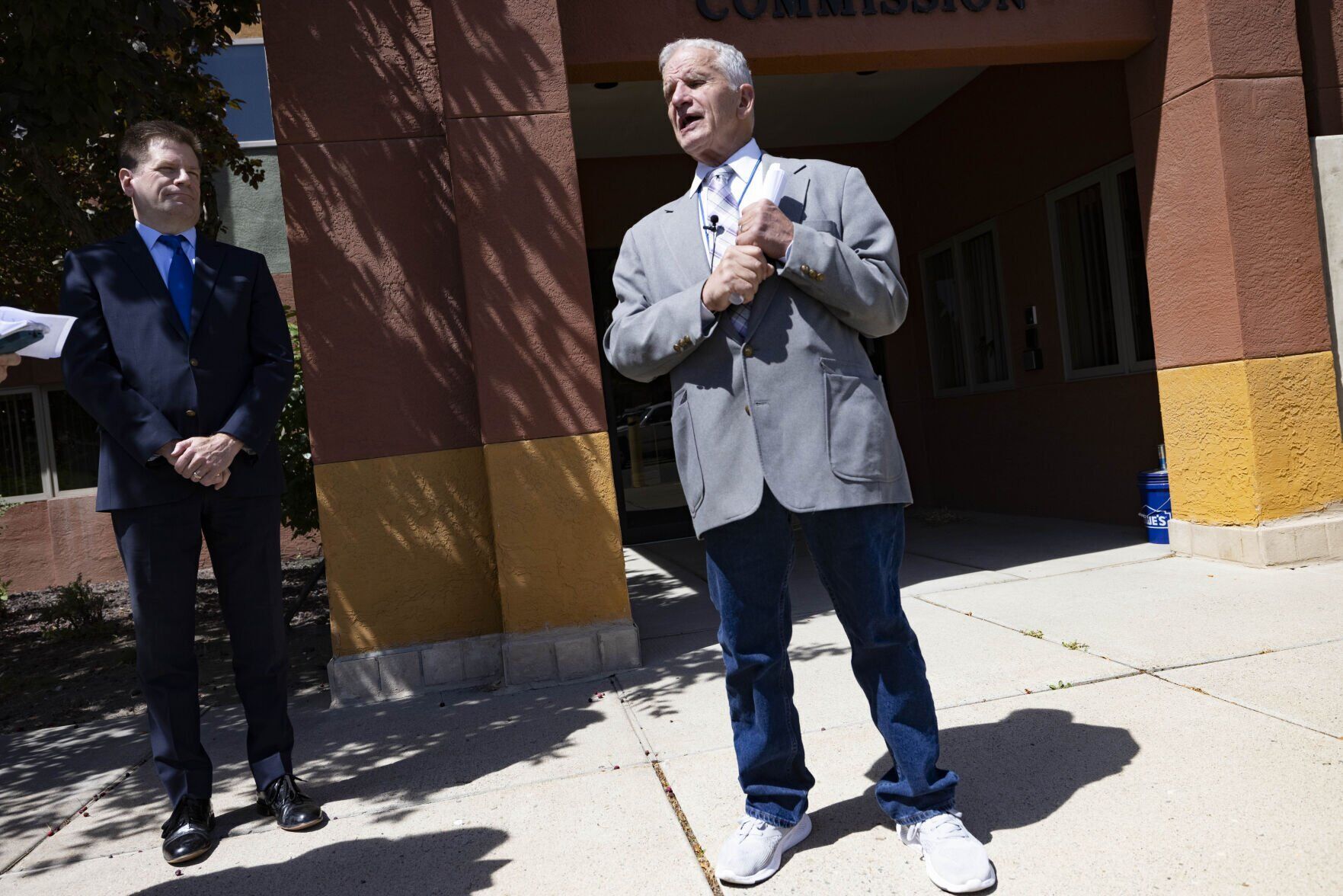
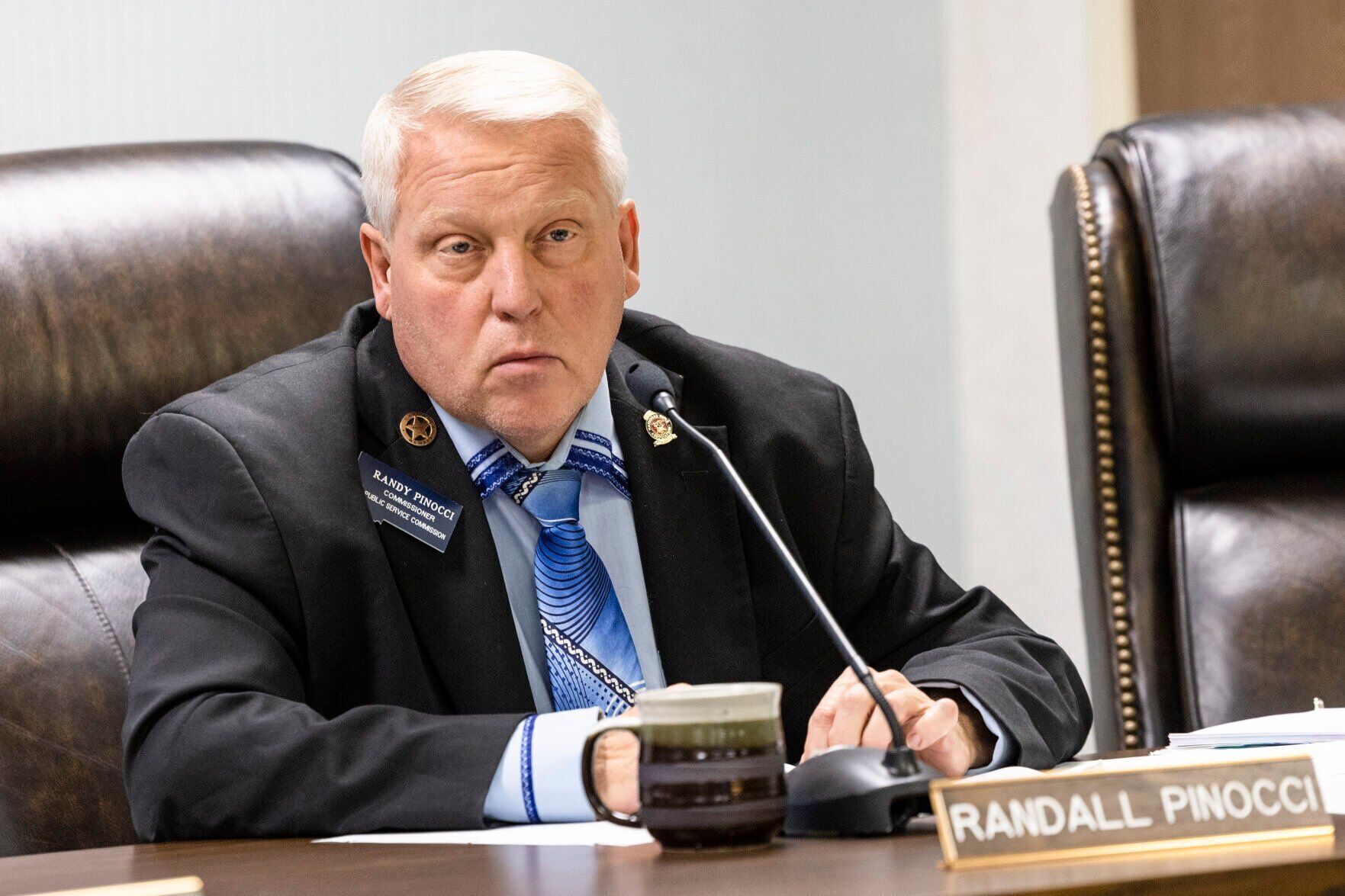
In anticipation of the coup, Molnar said he paid $1,000 for a federally trained polygraph examiner from Kalispell to administer lie detector tests to himself and fellow Commissioner Randy Pinocci, an ally, in an attempt to prove his innocence.
The agenda items that could remove Molnar were originally proposed by PSC Vice President Jennifer Fielder.
Molnar has been the subject of a months-long internal human resources investigation for alleged workplace misconduct, and while the investigation was publicized by Molnar, the exact details of the allegations remain confidential. Molnar was also accused by at least one commissioner and PSC staff of intentionally derailing the investigation and retaliating against those involved.
Molnar, for his part, has denied any wrongdoing and repeatedly said that the investigation is an attempt to unseat him at a time when the PSC is faced with a number of consequential regulatory decisions.
The PSC regulates private investor-owned natural gas, electric and telephone companies, among others, and is also tasked with ensuring that Montanans receive reasonable rates for these services. The president of the commission sits atop the entire state agency and is responsible for all administrative matters, acts as the agency spokesperson, approves agendas and expenses and designates staff and commissioners for assignments.
Accusations of sexual harassment, workplace misconduct, sabotage, power-grabbing and lying have circulated for months among commissioners and staff - both publicly and behind closed doors. Parts of the dispute have been escalated to Gov. Greg Gianforte and have reached district court.
Now, in one of the most significant moves of the quarrel yet, commissioners are set to vote on whether Molnar will remain as president.
At the PSC’s Tuesday meeting, there are two major action items on the agenda, one of which concerns the voting process itself.
First is a vote to lower the threshold needed to remove the commission president or vice president from four votes to three — a simple majority. Molnar has called the proposed rule change “chaos.”
Under current rules, assuming Molnar and Pinocci vote together, they can block any removal effort. If the voting threshold is lowered, a second vote is expected to follow — one that could remove Molnar from the presidency and elevate another commissioner to the role, according Fielder.
Fielder told the Montana State News Bureau that Molnar is “not cut out” to lead a state agency.
“He seems to believe as president he can just do whatever he wants,” she said.
Molnar alleges that Fielder and others have drummed up the workplace misconduct claims as part of a ruse to unseat him.
“It's very much clear she wants to have a piece of plastic that says ‘President’,” he said.
Fielder declined to say whether she hoped to replace him as president.
Voters select commissioners to represent their district, but the post of president is decided by the commission itself. Molnar and Fielder were originally elected to their leadership roles by their fellow commissioners back in January following the 2024 election. As PSC president, Molnar makes roughly $6,000 more per year – assuming 40 hour work weeks – than the other four commissioners.
The proposal to change the voting thresholds and replace the president do not come as a surprise: Last month Fielder circulated notice of rule changes to make it easier for commissioners to remove and discipline the president and vice president of the body.
Fielder has repeatedly said that Molnar’s pushback against the internal investigation has stalled out the inquiry, and spurred her to take these actions.
PSC staff have declined to release details of the investigation, citing confidentiality laws. However, Fielder’s attorney and the commission secretary have indicated in public meetings that the allegations include “discriminatory speech, retaliatory speech” and “harassment,” including "sexually charged” comments. Molnar has denied the accusations and says he has not been informed of the specific claims against him.
Weeks before proposing these rule changes on Tuesday’s agenda, Fielder sent a letter marked "confidential" to Gianforte requesting he use his statutory power to temporarily suspend Molnar so that the inquiry can proceed without interference, Fielder explained. Molnar then retained an attorney and sued to block that move, but a judge recently ruled that Gianforte has the authority to suspend Molnar, should he choose to do so.
All the while, Molnar has argued that his fellow commissioners have attempted to stymie his power as president because his opinions on regulatory matters often differ from those of his fellow commissioners. For example, NorthWestern Energy and Black Hills Corp. proposed a merger that must gain approval from the PSC, and Molnar is the only person on the five member all-Republican commission that was present on the panel the last time a merger proposition involving NorthWestern arose.
“It would be easy for me to say, ‘Screw it, I resign the presidency’,” Molnar said. “That would be far easier than sitting there and going through this.”
“I can't do that,” he added, pointing to his allegiance to customers in the face of rising energy rates and a major merger.
In what appeared to be a Hail Mary attempt, Molnar earlier this month contracted with the professional polygraph examiner, who asked him a handful of questions including whether or not he interfered with the internal HR investigation and whether or not he sexually harassed another commissioner, Annie Bukacek. The lie detector test determined that when he denied both claims he was being truthful, but both Bukacek and PSC Executive Director Alana Lake poked holes in the reliability of such an examination.
“For context, polygraph results are not considered reliable evidence and are not admissible in court,” Lake said in a written statement. “Engaging a personal polygrapher and creating individualized questions introduces a high risk of bias and bypasses established procedures designed to ensure that polygraphs are conducted in a lawful, impartial, and standardized manner.”
When asked during a press conference if he had ever sexually harassed Bukacek, Molnar responded, “ My wife is a hottie. I don't know why I would,” and then went on to show the reporter a photo of his wife. He later said Bukacek “lied.”
Bukacek did not respond directly when asked if she had been sexually harassed by Molnar. Instead, she said that people can lie and pass a polygraph examination.
Editor’s note: Montana State News Bureau photographer Thom Bridge contributed to this report.




Comments ()