
Proactively preventing food waste on campus
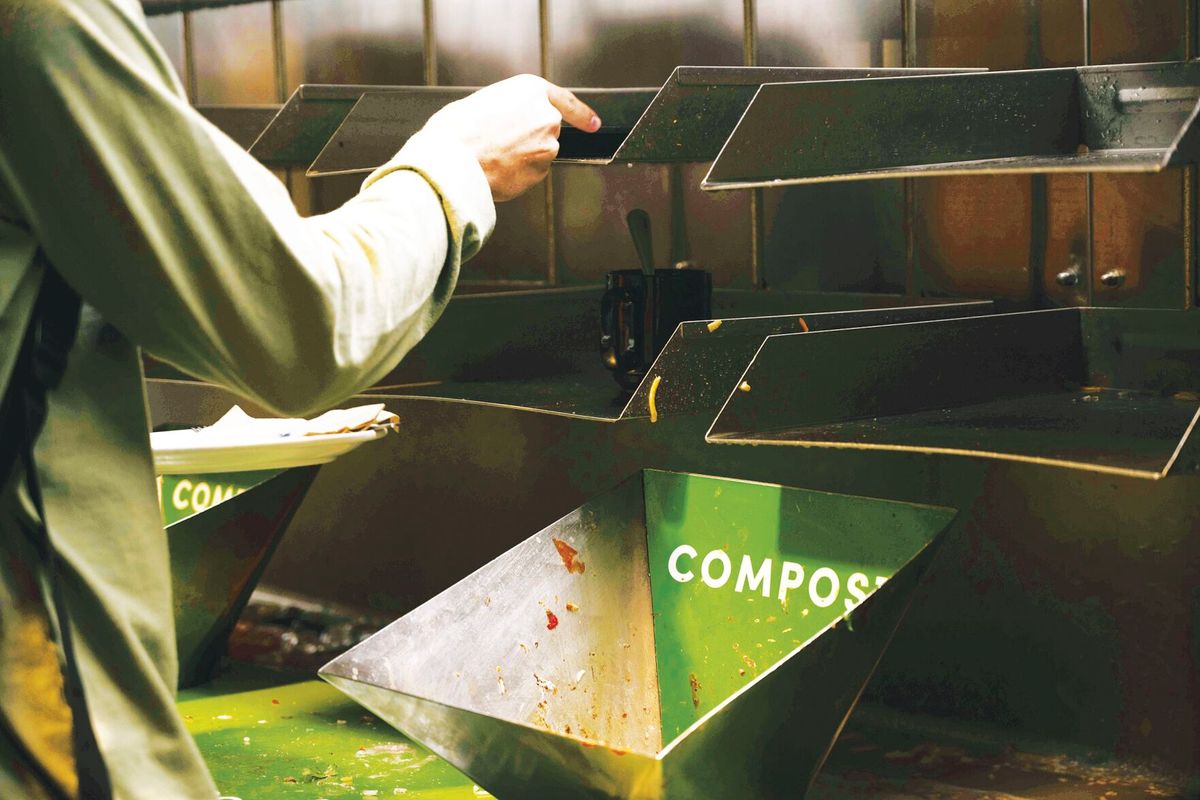
MSU Culinary Services serves 12,000 meals per day according to it’s vision statement. Given all of these meals, students and various restaurants on campus, food waste is something that the university is working to divert.
MSU has been composting excess food for over eight years, adapting and advancing its methods for sustainability to combat food waste on campus to keep up with students’ and environmental needs, according to MSU’s website. The MSU composting and waste diversion program was started in 2015, and initially only composted pre-consumer waste. In 2017, the program expanded to the coffee shops and post-consumer waste in the dining halls according to the Waste Diversion section of MSU’s website.
Associate Director of Catering, Retail and Concessions Phillip Peterson has been at MSU for five months and is still learning about policies and programs such as those regarding composting on campus, he said. On efforts around composting and combating food waste, he said: “I don’t know many of the details yet, [SUB food services just does] the same thing as the dining halls for now.”
According to the MSU website, the university composting program collects food waste from every food service location on campus which includes pre and post-consumer waste from the dining halls, SUB and on-campus coffee shops.
As campus life changes and progresses, so do ideas about composting and sustainability. Peterson said he hopes to figure some things out on the sustainability front with the upcoming arrival of Chick-fil-A in the SUB. This includes finding ways for the independent franchise locations on campus to better participate in the program, according to him.
In addition, MSU staff has been utilizing preventative measures against waste utilizing “menu management software and historic patterns to oversee accurate ordering and production,” according to the MSU sustainability page.
Independent from the composting program, students have also been making efforts to combat food waste on campus. Sustainability Now is a student-led organization on campus that also deals in combating food waste, among other issues. Their goal, according to their CatsConnect page, is “to systematically unify the student voice behind climate change and local sustainability,” providing education and a platform to those looking to get involved in activism like this on campus.
Zero Waste International Alliance recognizes a zero waste organization as one that diverts 90% of waste from landfills and incinerators, and this is the standard MSU aims to achieve by 2035 according to the 2021 MSU’s sustainability framework found on the MSU website. The MSU website states that over 500,000 pounds of food waste is diverted from landfills each year through the program.
The composting program continues to grow, with those within the food service community on campus finding it difficult to keep up with the minute details at times. “I know we compost it; there’s a bin out back we throw the excess into, but I don’t know who takes it from there,” culinary services employee Megan Murphy said when asked about the fate of the expired baked goods at Brewed Awakening in the library.
Student involvement also plays a key role in the success of the composting program. Peterson said that the thing that struck him was how many students actually participated in making an effort to separate the compostables from the non-compostables after eating on campus.
Students can also participate in other ways, such as attending zero-waste events hosted on campus. These events are picnics hosted each fall that source local foods and use all compostable and recyclable utensils and dishes according to the MSU website.


Comments ()