
Q&A: Newly appointed Department of Corrections director talks new role, future facilities
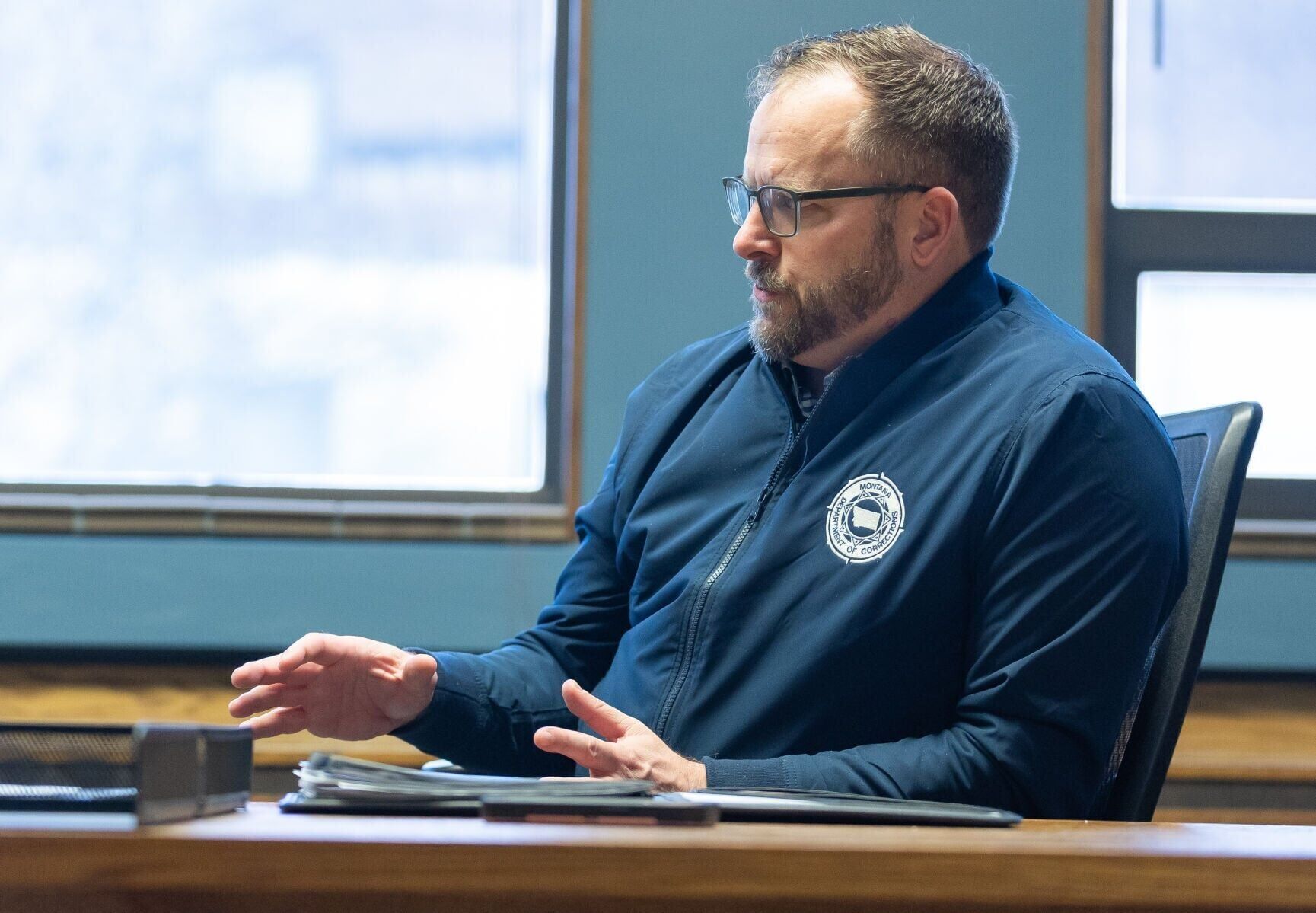
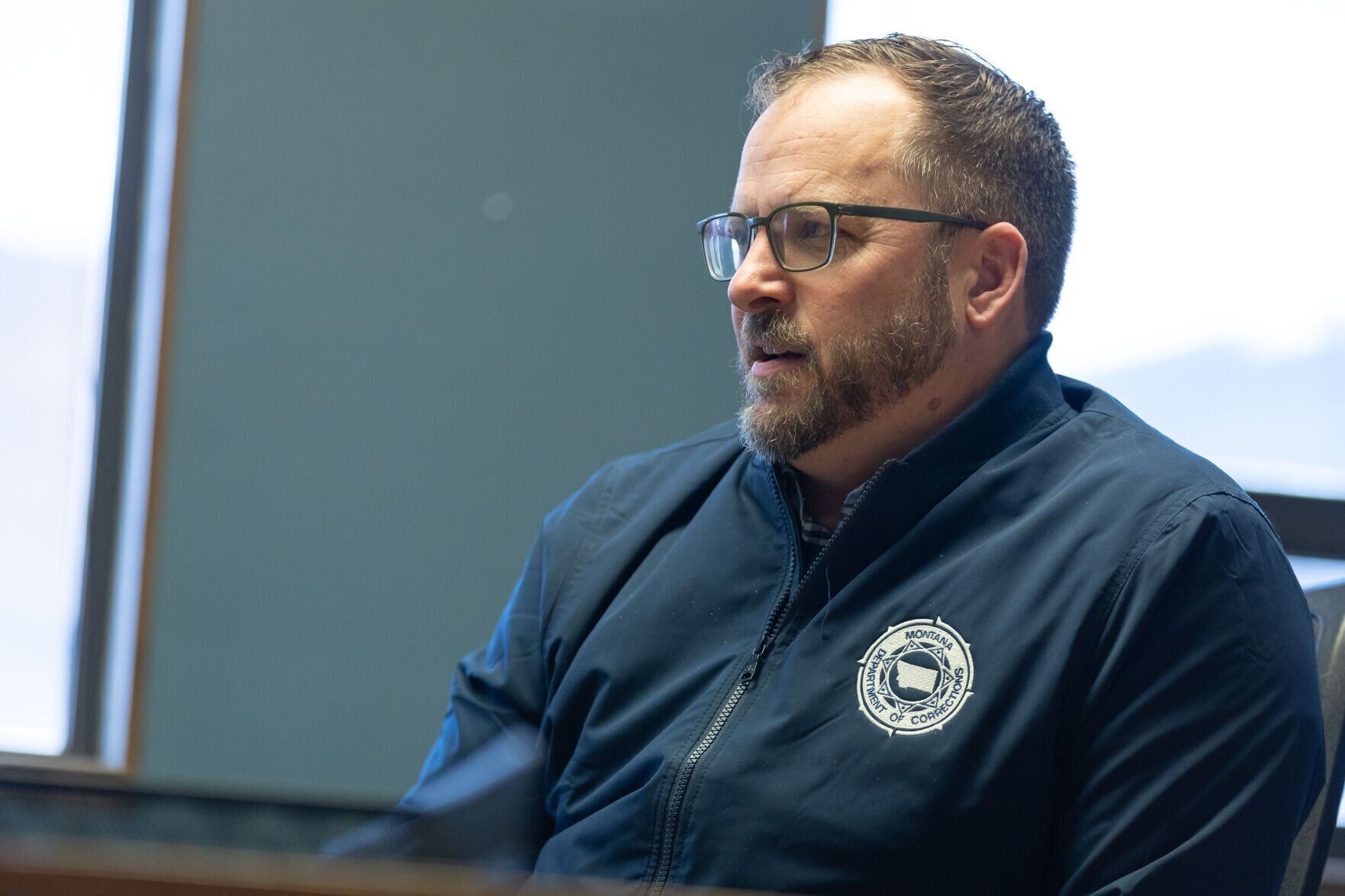
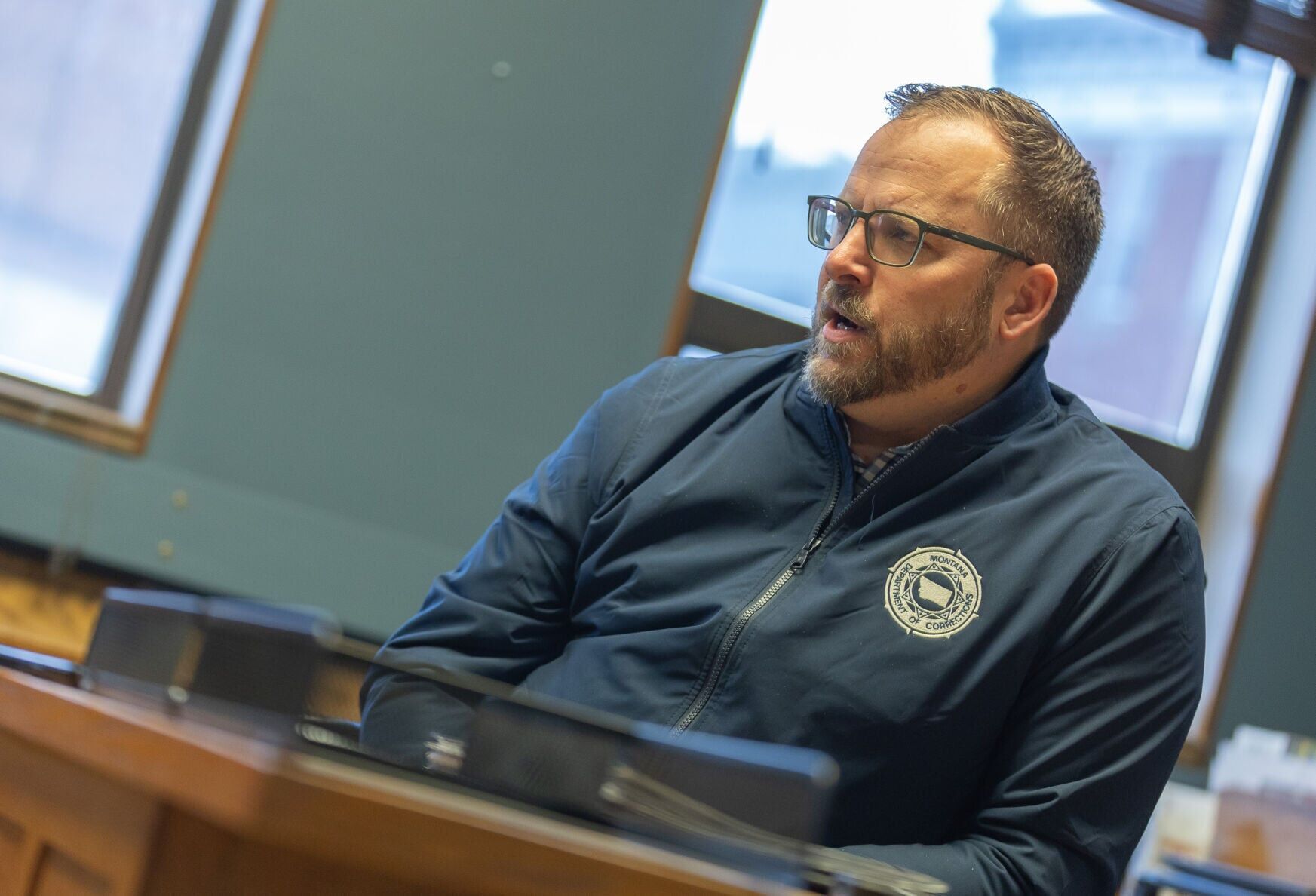
Newly appointed Department of Corrections Director Eric Strauss took the helm last month of an agency humming with changes, from managing the massive expansion of prison capacity to prospecting for an entirely new facility for female inmates.
Strauss was the deputy director for less than a year before Gov. Greg Gianforte appointed him as the sixth director of the DOC. He now oversees prisons and roughly 3,400 incarcerated people. The job also includes managing probation, parole and rehabilitation programs for Montanans convicted of felony crimes.
Strauss is the first director without a background in law enforcement, having transitioned to the corrections department after nearly 10 years with the Montana Department of Labor. His ascension to the post came after former director Brian Gootkin’s nomination by President Donald Trump to be U.S. Marshal for the District of Montana. Strauss said he’s a seasoned leader who has the know-how when it comes to working the ropes of state government bureaucracy.
In a Q&A with the Montana State News Bureau on Wednesday, Strauss discussed infrastructure projects and out-of-state inmates and spoke about how his background shapes his leadership.
The following has been edited for clarity and length.
Montana State News Bureau: I want to set the table for readers about everything that’s going on with the department right now. A lot of activity on things regarding capacity, but maybe there’s some other things that we don’t hear about so often.
Eric Strauss: Yeah, sure. Obviously one of our priorities right now and going forward is going to be the utilization of the infrastructure dollars that were appropriated the last two sessions, I think in total, just over $700 million — all with various purposes — mostly focused on the growth of capacity in our facilities, both males and females.
Most people know that we have 600 guys that are out of state right now. No one wants that. I mean, we don’t want it. Families don’t want it. The state doesn’t want it, but it’s necessary, just based on what our capacity constraints are right now.
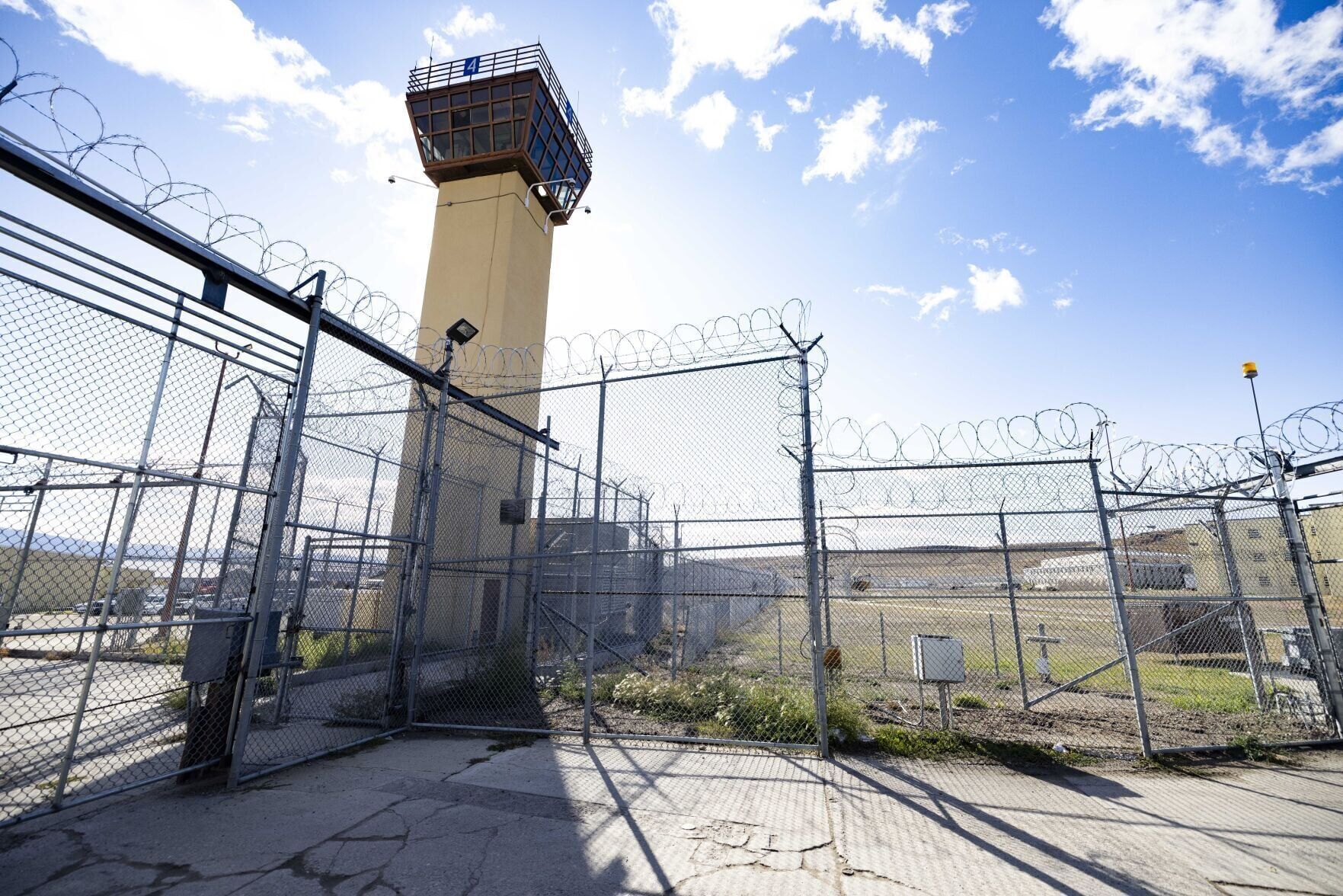
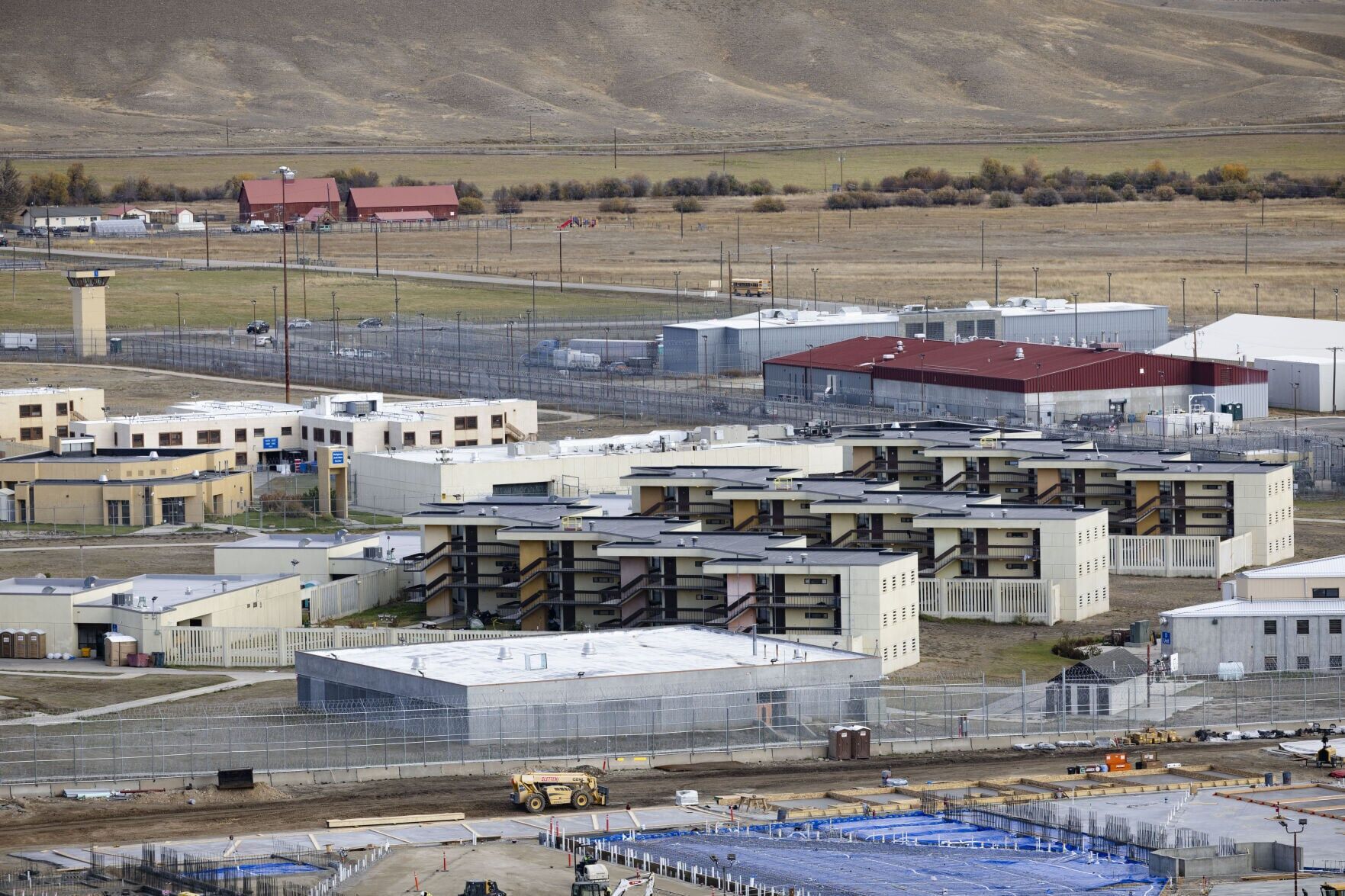
So fortunately we have the big project going on at the main campus in Deer Lodge. We got in ‘23 for the three additional low-(security) housing units that are 256 beds apiece, additional funding in ‘25 for two more of those additional housing units. ... The idea is when that project’s done towards the latter part of 2028 that we would have the capacity at that facility to bring the 600 guys back.
On top of that, we got money for the Future of Corrections Fund passed in 2025 that appropriated $246 million for us, with its primary interest was in and around looking at women’s capacity.
I mean that’s one of our primary jobs right now is basically managing a construction portfolio.
MSNB: I thought you were kind of an unconventional pick, because, as far as I can tell, I believe you are the first director without any law enforcement background. Can you talk a little bit about your career and why that resume is right for the Department of Corrections right now?
Strauss: Totally recognize that I am a little unconventional in terms of the pick. I’ve been with state government now just about 10 years before joining the Department of Corrections. I was with the Department of Labor and Industry, ran a variety of different programs in and through there. So, very seasoned in terms of leadership inside of state government.
A lot of this job is really figuring out how to maneuver some of that bureaucracy in state government, all the various agencies, all the various interested parties, building relationships with the Legislature, forging those types of things. ... Over those 11 months that I was deputy (director), I gained some relationships, gained some experience, kind of learned the ropes. Spent a lot of time in the facilities meeting with our people and got a lot of comfort that way.
I think what this organization needs is just good leadership. We have lots of law enforcement experience embedded throughout the entire organization. So my role as director is more about providing a clear strategic vision for the organization and then elevating the voices that are closest to the work and leveraging the people that have those years and years of experience in law enforcement to inform that strategic plan. And I’m good at that.
MSNB: Does that lack of law enforcement experience, in your mind, create any issues with that relationship with the rank-and-file corrections officers or probation officers?
Strauss: I haven’t experienced it personally. I have no doubt that there’s probably people that are skeptical about that hole in my resume, but all I can do is show up, you know, be responsive, listen to concerns and then help people as I can. … If there are skeptics, they’ll come around.
MSNB: Last time we saw each other was out at MSP during the water system failure, which triggered a whole replacement project that got put on top of the infrastructure items already moving. Can you give us an update on the latest out there?
Strauss: For right now, it’s as stable as it can be without the major infrastructure dollars being expended. We’re mindful, obviously, of the potential for something to happen again.
Montana State Prison water back to 'normal use,' Corrections Department says
MSNB: Has the system-wide replacement begun yet?
Strauss: Mostly in the design and planning. I don’t think we’ve broken ground yet on any of those specific projects, but they are scheduled to be underway.
MSNB: Can you give me a little bit more on what the landscape looks like out at Montana State Prison right now? One thing I was curious about: Is the plan still for Units A, B and C to come down? (Note: These units house low-security inmates at MSP were originally planned to be torn down and replaced by the new housing units previously mentioned.)
Strauss: No, we’ve actually changed course on that. ... The original design and intent was to tear down A, B, C. They are older and in need of some repair, but you know, based on our projections for future capacity needs, it seems pretty short-sighted to tear down beds when we can’t build for what it will cost to repair those. We have ideas about how we can leverage them differently than we do currently, as an honors-type facility, where it’s really dorm-type living.
On the new construction: There’s lots of ground work that had to be done, and even that wasn’t that impressive. But then as soon as we decided to pour the (concrete) walls and lift them, there’s like a two-week period we went from nothing to visualization of what these structures are going to look like. It’s fascinating.
MSNB: What are the expectations for hiring when it comes to staffing those new buildings, considering Deer Lodge is still in a remote part of the state and has struggled with staffing before?
Strauss: Recruitment and retention is always a challenge for us. We’ve been successful in terms of recruiting people there. There’s been lots of things we’ve done, of interest primarily is the employee housing that was built ... that’s hugely successful. I think that’s brought some people to the table that otherwise would not have been able to and we get creative around housing people.
Trump nominates state prisons director to Montana's U.S. Marshal post
Long story short is we are in the process right now of engaging with a contractor to do staffing analysis on current operations, but then also future operations. It’s a significant growth of (inmate) population at the facility, but we want to make sure we have some strong evidence or backing for when we go to the Legislature (to ask for additional employees).
MSNB: What can you tell us about finding a new place for a women’s facility?
Strauss: We’re actually just wrapping up the site assessment for, I think it ended up being nine locations. We had some in mind based on where we had DOC presence and infrastructure. Those include Deer Lodge. We looked at Boulder. We have a lot of acreage over in Miles City as well. Butte-Silver Bow responded to that (request for information) process. Anaconda. And then Big Horn County and then also Billings.
We have this contractor, engineering firm looking at all those sites, looking at viability of a whole bunch of things. We’re expecting a final report from them on all those sites in the next couple weeks.
MSNB: Is there any indication or reason to believe at this point that might end up being a private facility?
Strauss: We have no intention of having it operated by a private company. We’ll manage and operate it ourselves.
Inmates settle into recycled facility in Boulder, where state eyes new prison expansion
MSNB: 600 inmates out-of-state right now and these projects are still a couple years out. Given the current population needs, is there any indication that you might need to expand that contract with CoreCivic further in the next couple years?
Strauss: We have not had any conversations about expanding that contract. We do have capacity constraints still. Even with those additional beds we have around 350 to 400 people sitting in county jail, still awaiting placement within our jurisdiction. I think about 100 of those are waiting for placement in prison. More than half of those are females. We have no outlet right now for females. ... So that’s a frustration for us, but we have no interest in evaluating an our-of-state contract for that population. We’re just working with partners to try to manage that population as well as we can.
MSNB: Prison reform advocates say that a lot of these problems could be solved by having fewer people in prison. But the department leadership has always said, you know, most of these people are leaving our facilities at this point. What’s the department doing in terms of easing the route out of prison or into pre-releases?
Strauss: That’s one of our main focuses as an organization, is really looking at rehabilitation services, not only internally but externally. There are lots of partners that we have that provide treatment, that provide community supervision, those type of things. The sooner that we can get people rehabilitated, the more likely they are to be granted parole and then ultimately given an opportunity to reintegrate with our communities.
We’re constantly evaluating that. One of the things that we know for certain is stable housing and stable employment are the things that are likely going to result in a person being successful once they’re released. So what can we do internally to help provide people with some tools to achieve those things once they leave? ... You know, we have a pretty captive audience that we can train and educate that are going to be suitable for some of those industry demands for our state.
MSNB: Anything else you want to add about what DOC under Eric Strauss is going to look like going forward?
Strauss: I would say, not a lot different. I have a passion for this work already. I have a passion for our people. You’re going to hear me ring the bell for, ‘How do we support our people?’ Not to say that hasn’t happened previously, but I think that’s going to be our biggest challenge moving forward, is making sure that our people feel supported, that they’re given the tools and skills to do their job effectively, that they get acclimated to their roles as soon as possible, they feel trusted and supported inside of our facility. Because ultimately, our primary objective is to provide a safe, secure environment for the communities in which we’re present, for the people that work for us and for the families of our offenders, and then ultimately for the offenders. And we can’t do that without a resilient, capable staff.




Comments ()