
Rancher, veteran, photographer Matt Rains pitches diverse experience and moderate path to Congress
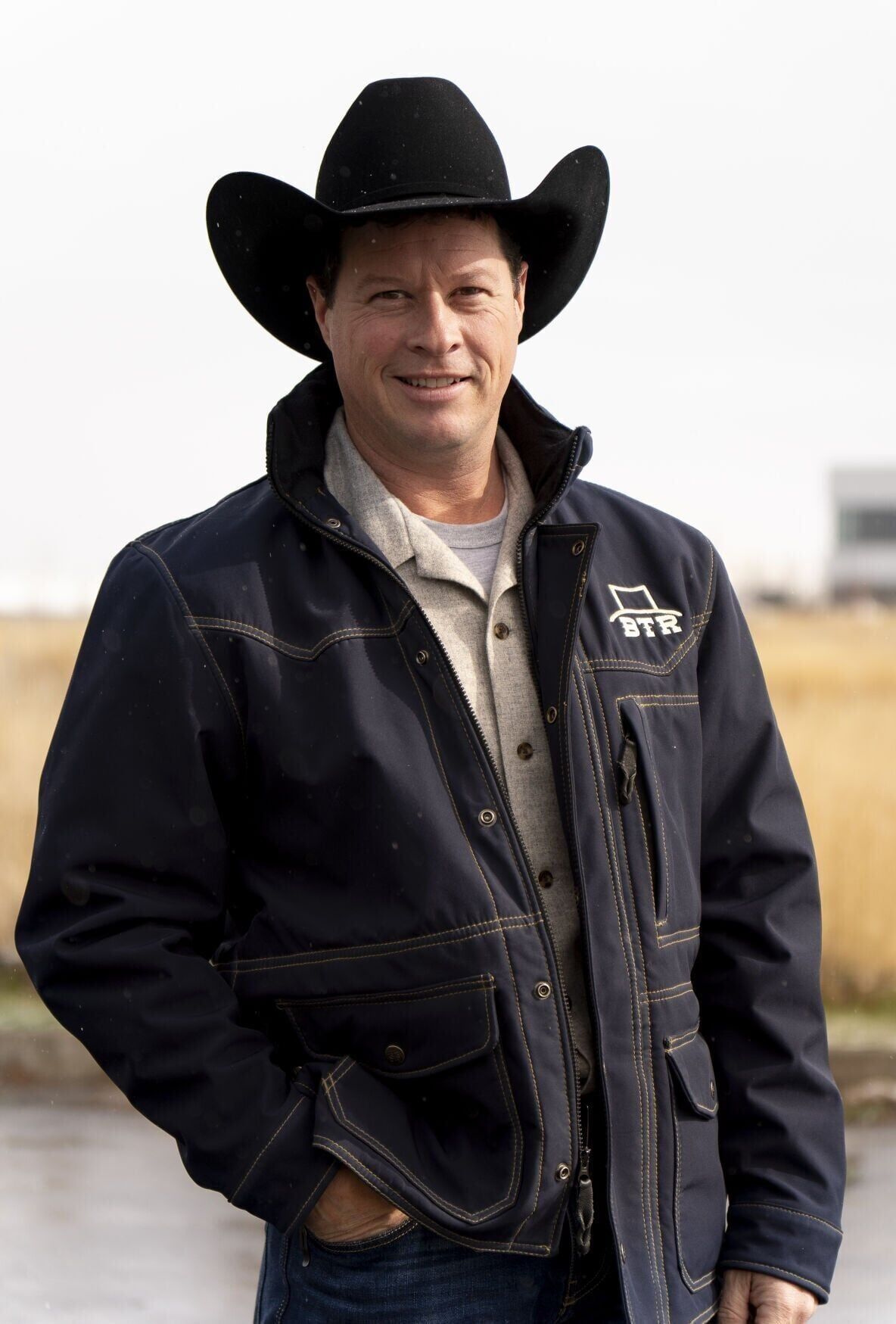
As a veteran, international photographer and rancher, 1st Congressional District Democratic primary contender and Simms-area resident Matt Rains has worn many hats.
Rains is relying on extensive life and travel experience to more than 60 countries to carve an informed and moderate path to Congress.
Less than 60 days remain before the June 2 primary. Rains seeks to differentiate himself from Democrat challengers smoke-jumper Sam Forstag, rancher and businessman Russell Cleveland, and former firearms executive, author, and unsuccessful 2024 gubernatorial candidate Ryan Busse.
Rains ended his prior congressional bid in 2020.
“It’s the diversity of my background experience,” Rains said. “The building of integrity, character and knowledge when it comes to agriculture, energy and the Iran war.”
For Rains, representatives lacking life experience can become too reliant on lobbyists, increasing constituent distance.
“It’s the little things where you grow up in a small town like Simms, you get your textbooks and you try to find your parents’ names inside the cover,” Rains said. “The little nuances that make (being a Montanan) special.”
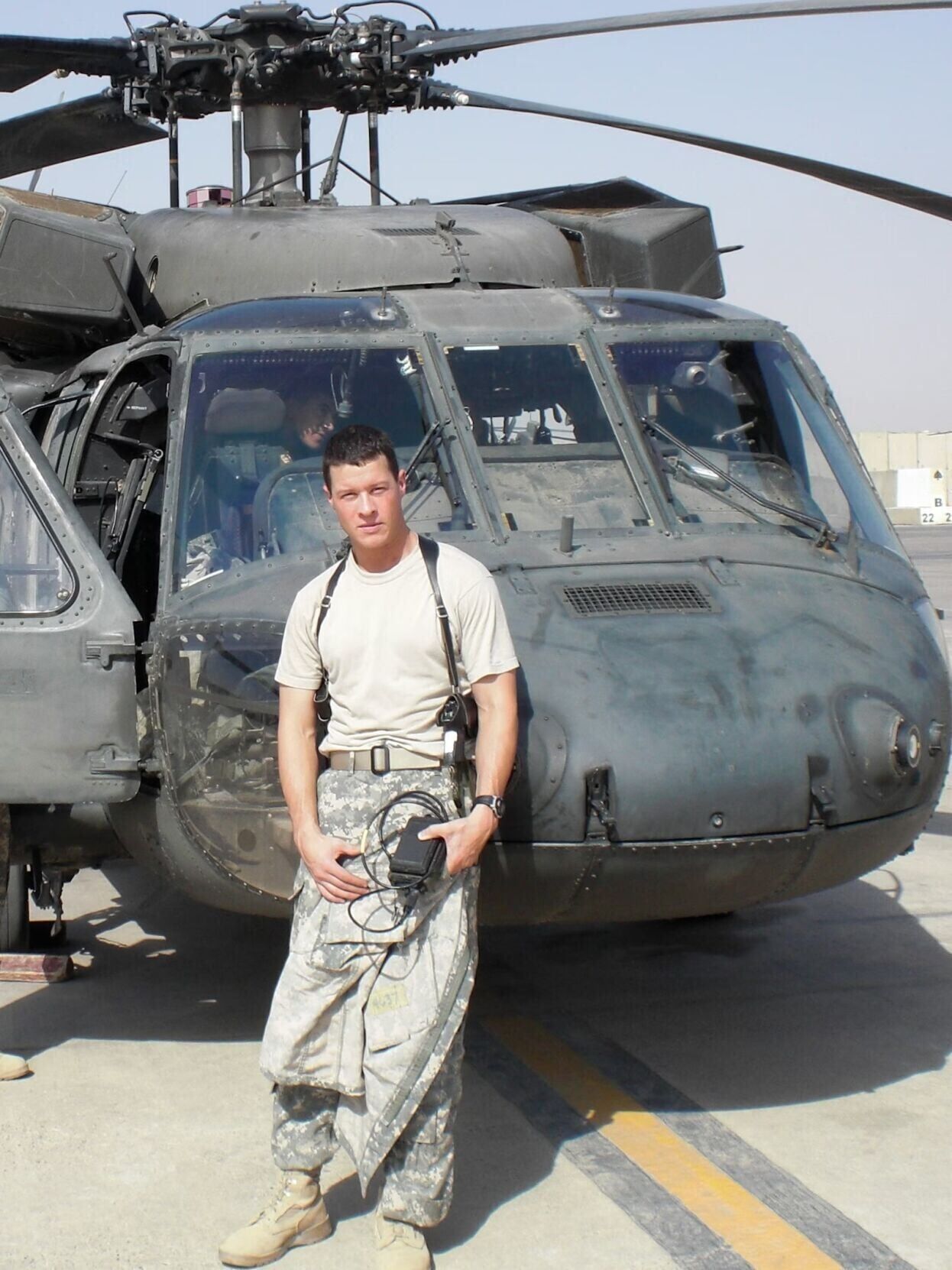
After Simms High, Rains graduated from the United States Military Academy at West Point with an engineering degree in 2002. Rains served in Iraq before leaving the Army in 2009.
Rains backpacked Europe from 2009 to 2014, eventually buying a Renault Clio subcompact hatchback in Bulgaria. He later sold the car in Bamako, Mali, in West Africa.
He photographed boxers in Kenya slums and documented sustainable agriculture efforts in the mountains of Afghanistan with non-government organizations.
“Agriculture is found everywhere and that is one of the key things that connects across the world,” Rains said.
Traveling, Rains became inspired by electrical and energy inefficiencies in developing countries. After returning to the U.S., he inspected domestic power plants from 2014 to 2017.
Rains went back to school, earning a Master's in Business Administration from Washington University in St. Louis in 2018.
After his father passed away in 2004, his mother shouldered many of the family ranch responsibilities. Rains returned to Montana in 2017 to help manage the operation’s 30 head of horses.
Rains served as chief of staff under Montana Farmers Union President Walter Schweitzer from 2020 to 2025. During this time, Rains helped kickstart the Montana Premium Processing co-op, the first U.S. Department of Agriculture meat processing facility owned by local ranchers.
The issues
Rains’ top issue is affordability. He aims to make housing and healthcare more attainable for middle and lower earners. Changing tariffs is also on his list.
“I live 45 minutes to an hour from an emergency room,” he said. “The Big Beautiful Bill attacked eight rural Montana clinics that are planned to be shut down. We need to not only protect those but expand them.”
Montana is receiving $233 million for FY 2026 via the Rural Health Transformation Program, part of the federal One Big Beautiful Bill, to support rural healthcare clinics. Although the funding aims to bolster workforce development, improve access and expand technology, concerns persist over potential Medicaid cuts, which could lead to continued rural facility service reductions.
“Too many negative things toward Montanans were put into there,” Rains said of the legislation. “We need to go back and address individual needs. We need to find ways to incentivize nurses, physicians’ assistants to move into our communities and have a life where they want to stay, so it’s just not a rotation.”
Nine Montana counties are historically identified as having no doctors at all. While the specific names of these counties can change based on recruitment efforts, reports from as far back as 2018 and 2019 confirm the shortages.
Housing
With a cost-of-living index of 95.5, Montana is ranked 27th on the list of least-affordable states, according to the World Population Review, an independent digital population data, demographics and projections organization.
“Our youth are going to want to stop living here,” Rains said. For someone renting or starting their first or second job, two-thirds of their salary goes to rent or their mortgage. That’s completely unsustainable.”
Rains’ solution is increasing housing supply and curtailing corporate ownership.
“Rewrite the regulations to make sure Montanans can own their homes,” Rains said. “We can find solutions with grants to expand the infrastructure, the footprint to where ‘you’ can build more housing.”
“Then we need to make sure contractors have incentives to come back and work on lower income housing and middle income housing. Right now, contractors want to cherry-pick building mansions, the expensive homes. Federally we can help have tax incentives to bring contractors back.”
Tariffs
“We spent decades trying to build up our wheat, barley markets,” Rains said. “It will take us decades again to rebuild those relationships.”
Tariffs on domestic wheat and barley markets are increasing fertilizer and machinery costs, risking export losses as foreign retaliatory measures shrink the U.S. export market share in other countries, according to Michigan State University.
“The erratic nature of the tariffs, we’ve had a lot of nations that have just turned their backs on the U.S., made contracts with other countries that are more reliable,” Rains said.
In early 2026, Trump signed a proclamation significantly increasing U.S. imports of Argentinian beef by as much as 80,000 metric tons tariff-free.
Originally aiming to combat record-high domestic ground beef prices, the move was criticized by U.S. ranchers fearing an income hit and biosecurity risks. Some argued the policy benefited packers instead of consumers or producers.
“That was a huge shame what Trump pulled,” Rains said. “Not only trying to mix in Argentinian beef with American beef and saying it was the same thing, but sending $40 billion to Argentina when all of our ranchers and farmers are just trying to survive. Those hits just show this administration is absolutely out of touch with Montana, our ranchers and farmers.”
Iran
“The Iran war is a whole other factor,” Rains said. “We got into that with absolutely no strategy and we’re now in a position (where) we have no leverage. The cost of diesel is already up more than a dollar in the last month. All of Montana’s industries directly or indirectly are going to be affected.”
Trump green-lit the killing of Iranian Supreme Leader Ali Khamenei via a joint Feb. 28 U.S.-Israeli strike. The U.S. could deploy thousands of additional troops to the Middle East amid the bourgeoning conflict, per military officials.
“I’ve served in war,” Rains added. “Trump promised us no more forever wars.”
The Republican-controlled Congress narrowly voted against constraining the president March 5.
“He's went after Venezuela, he’s threatened Greenland, and now we’re almost a month plus into dropping bombs on Iran with the threat of ground invasion,” Rains said of Trump. “It is absolutely doing a 180 on the promises (Trump) gave to the American public.”
“We had a Congress that voted to step aside, which is an embarrassment,” Rains added. “Congress, the voice of the people has the authority to decide if we go to war. We just need to get back to solid checks and balances.”
Bipartisan
“A rancher and engineer, I don’t buy into the political games,” Rains said, classifying himself as a Democrat from a bygone era.
“There’s a lot of stuff that goes on in D.C. that is not right for Montana. A lot of focus from Democrats on coastal policy, the big-city policy, disconnected from trying to make sure the small towns are seen.”
“I am going to cross the aisle. A lot of my family is Republican, I understand their point of view, but Democrats made rural Montana.”
“Republicans are more focused on making sure the corporations and the jobs are there. I understand that. Co-ops brought oil, gas, telephones when corporations didn’t give a damn. We need to make sure that is still the priority. A lot of the fail-safes, Democrats put those in there.”


Comments ()