
Repo plan: Berkeley Pit gets the snub, for now, to accepting Superfund wastes
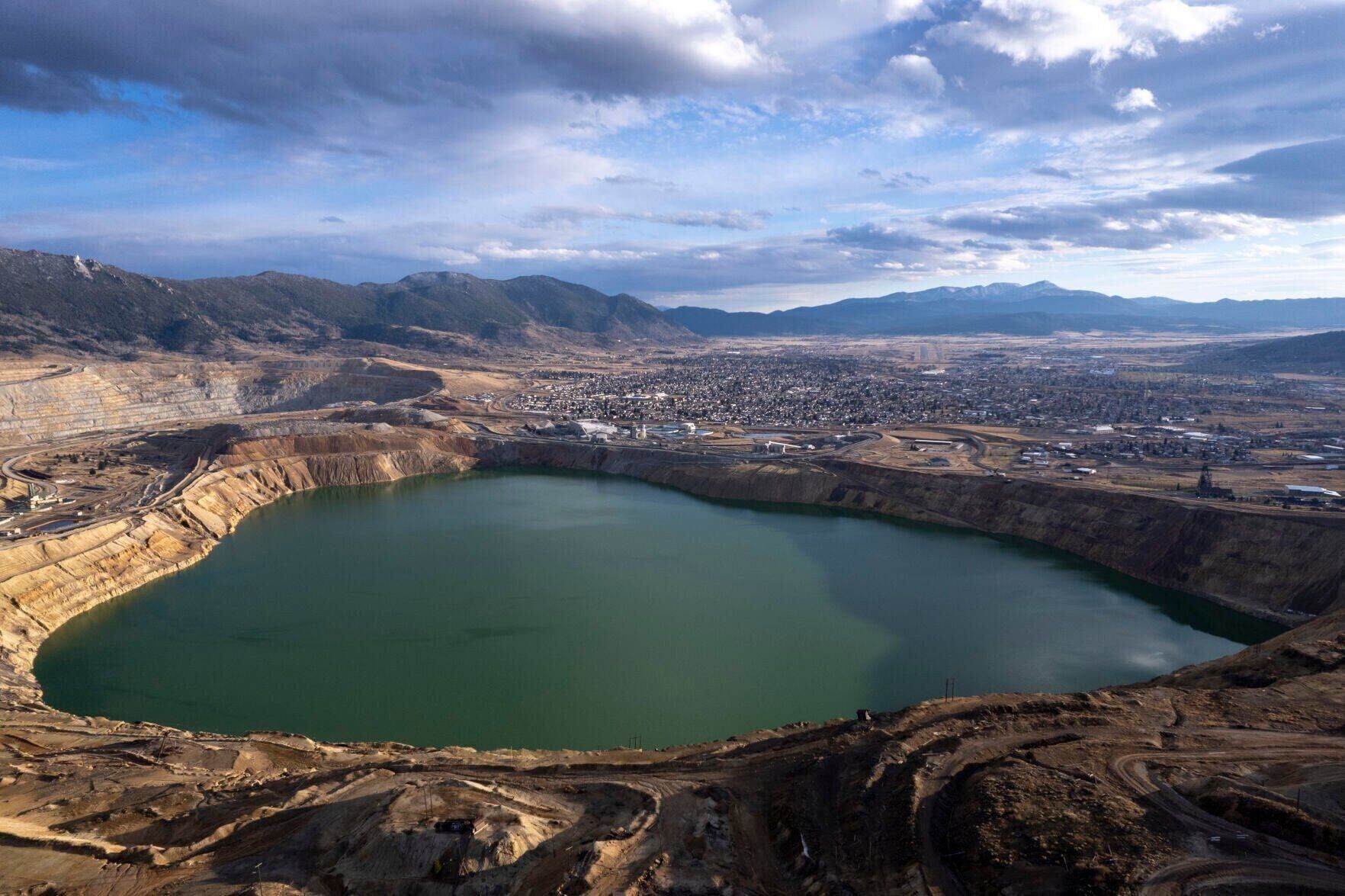
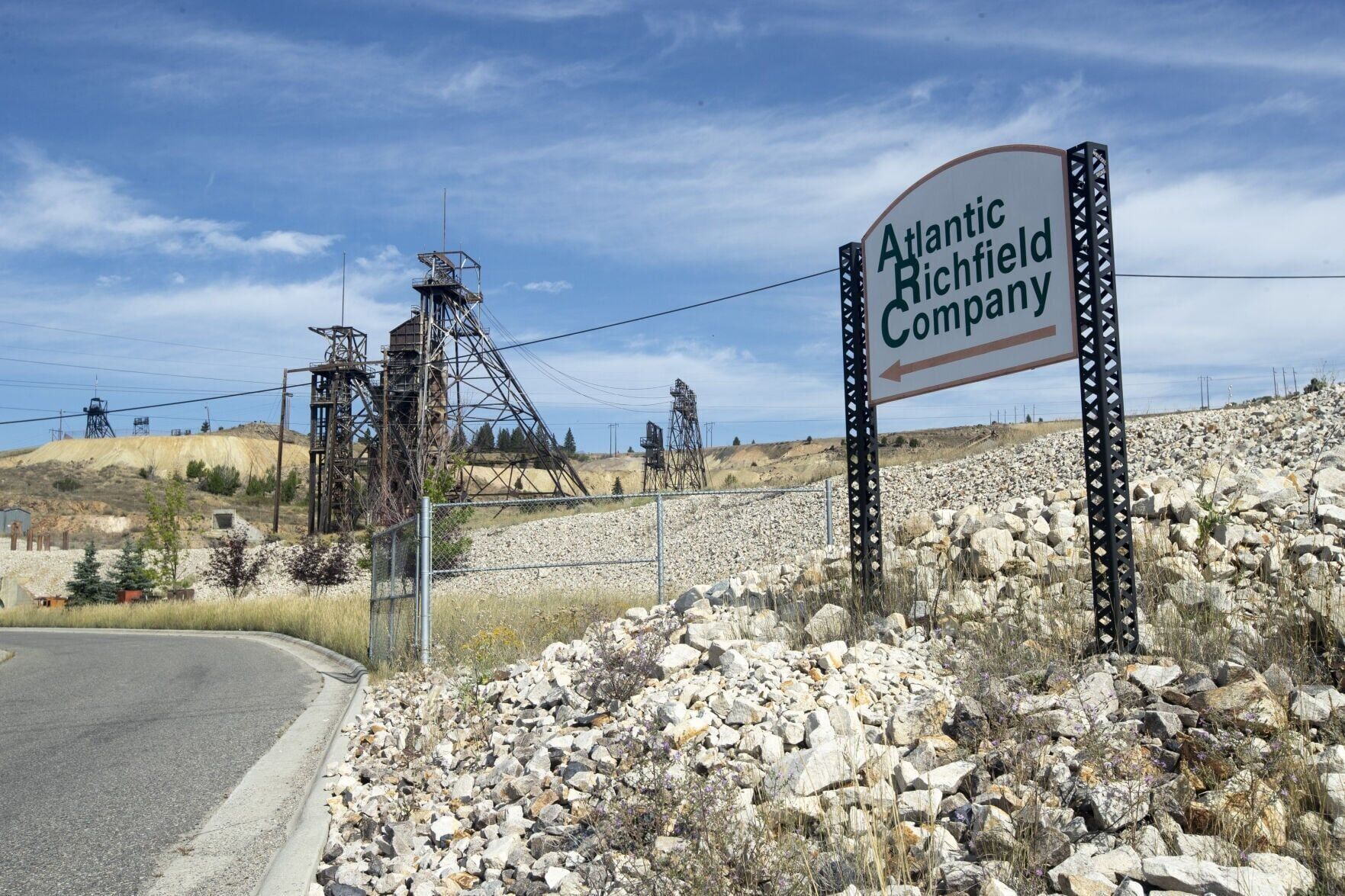
Josh Bryson of Atlantic Richfield said in March 2024 that preliminary analysis of the Berkeley Pit suggested the contaminated lake was shaping up as a preferred option to accept Superfund wastes from sites in the Silver Bow Creek Corridor.
Not anymore. At least not for now.
“The need for continued analysis of the Berkeley Pit will delay the Butte Priority Soils Operable Unit schedule, so Atlantic Richfield does not consider it to be a preferred location at this time,” the company said Tuesday.
Atlantic Richfield anticipates excavation of wastes at the Diggings East site this summer and needs a place to haul them.
Now, the preferred repository location, the existing Butte Mine Waste Repository, or BMWR, was previously rejected for not having adequate capacity to handle the estimated 1.1 million cubic yards of wastes from the corridor sites.
Atlantic Richfield has said the 1.1 million cubic yards would be equal to 31 Hotel Finlen towers. One cubic yard is roughly equivalent in size to a conventional washing machine.
“Atlantic Richfield believes the existing BMWR provides the most suitable location for disposal of all wastes from the project areas due to its immediate availability, location on Atlantic Richfield and Butte-Silver Bow properties, and existing regulatory approval for disposal of Butte Priority Soils Operable Unit wastes,” the company said in an email Tuesday.
Eric Hassler, director of Butte-Silver Bow’s Department of Reclamation and Environmental Services, said additional analysis of the BMWR shows it has more capacity than previously thought. Hassler is a member of the Repository Site Screening Committee.
Atlantic Richfield provided supporting numbers.
“The 2015 Butte Mine Waste Repository Operation and Maintenance Manual states that the BMWR has a design capacity of approximately 700,000 cubic yards,” the company said. “Atlantic Richfield is conducting additional investigation and design work to increase the capacity of the BMWR to approximately 1.4 million cubic yards. This expansion is proposed within the currently approved boundary of the BMWR.”
Hassler said haul trucks would follow a route to the repository that would primarily travel property associated with the active Montana Resources mine.
Atlantic Richfield and Butte-Silver Bow anticipate sharing a repository-related Detailed Evaluation and Recommendations Report to EPA and DEQ in January. Emma Rott from EPA and Daryl Reed of the Montana Department of Environmental Quality have participated in screening and evaluation of potential repository locations.
EPA and DEQ will have final say.
The BMWR, which is east of the Walkerville and Centerville neighborhoods, has been accepting wastes from residential soils and attics requiring removal because of mining and smelting related contamination.
It was approved as a wastes disposal location in the 2006 Record of Decision and is cited also in the 2020 Consent Decree for Butte Priority Soils Operable Unit.
In 1982, EPA proposed that Silver Bow Creek be added to the National Priority List, and it was listed as a Superfund site in 1983. The Butte area was added to the Silver Bow Creek site in 1987.
Atlantic Richfield inherited the Superfund liability in Butte and elsewhere in the region when it purchased the Anaconda Co., the original polluter, in 1977.
Meanwhile, Atlantic Richfield said that potential repository sites on Shields Avenue and the Kelley Mine Area sites, including Dublin Gulch, are no longer under consideration.
When the Kelley Mine Area sites were first proposed for potential repository use, many residents of Centerville and others in Butte, including Bill Foley, objected to the proximity to Centerville and to the potential for damage to remnants of the historic Dublin Gulch neighborhood.
When Foley asked at an EPA public meeting in 2023 about Atlantic Richfield’s proposal to site a Superfund wastes repository on corporation-owned land in the vicinity of Centerville, the concept had not been discussed publicly.
Public input has been limited to date about potential sites that could safely accept the mining and smelting wastes that are the legacy of Butte’s nationally significant and colorful history of copper mining.
The last repository-related meeting that was open to the public was in the spring of 2024.
J. P. Gallagher, chief executive for Butte-Silver Bow County, said in September 2023 that the repository siting decision “will be a fully vetted public process before a site is finalized.”
In September 2023, Atlantic Richfield advised, “The Repository Siting Study Committee is currently finalizing its evaluation and recommendations report. Atlantic Richfield will host public meetings with residents of Centerville and the broader Butte community prior to submitting the recommendations report to the EPA for review.”
The Repository Site Screening Committee held a meeting in March 2024 that was available for public viewing but not for public comment. Committee members have included Bryson, Rott of EPA, Reed of DEQ, Mark Thompson of Montana Resources, Butte-Silver Bow Chief Executive J.P. Gallagher and other Butte-Silver Bow officials, as well as city-county commissioners from Districts 4, 7 and 9, and three citizens.
Most of the committee’s deliberations have not been public.
On Monday, Katherine Jenkins, a spokeswoman for EPA, provided an update about the repository siting process in an email.
“EPA anticipates the draft Detailed Evaluation and Recommendations Report to be submitted by Atlantic Richfield and Butte-Silver Bow in early 2026 to the Repository Siting Committee,” Jenkins said. “This report is intended to summarize detailed evaluations and investigations of potential repository locations that occurred in 2024 and 2025 and to recommend repository location(s). EPA, in consultation with DEQ, will then review the report and the recommendations prior to agency approval.”
Jenkins noted that “the public can share feedback directly with the Repository Siting Committee representatives.”
Butte native and former legislator Jim Keane stood during a packed meeting at the Centerville Fire Hall in October 2023 and wondered why decision makers weren’t considering the use of the already-contaminated Berkeley Pit as a repository.
Bryson initially rejected the idea but the company came around. Atlantic Richfield later said it was investigating the possibility of transporting wastes to the Pit from polluted areas in the Silver Bow Creek Corridor in a slurry.
The corridor sites include Diggings East, Northside Tailings, Buffalo Gulch and others.
Keane was dismissive of the siting process in an email Tuesday. He said Atlantic Richfield and the agencies involved say they want public input but really don’t.
“Next comes the excuse about why [the wastes] can’t go in the Pit,” he said.
The primary contaminants in the Silver Bow Creek Corridor are arsenic, cadmium, copper, lead, mercury and zinc.
Keane said he wondered whether the Berkeley Pit would be excluded because organic materials would not be compatible with the Pit’s metals contaminated waters. He wryly observed that the Pit made quick work of the flesh, bones and feathers of the hapless snow geese landing there.
Atlantic Richfield offered this statement last week.
“Atlantic Richfield appreciates the patience of the Butte community as the Repository Siting Study has progressed,” he said. “In early 2026, Atlantic Richfield looks forward to supporting the conclusion of the Repository Siting Study and sharing its outcome.”


Comments ()