
Report mostly favorable to Sabey data center in Butte, but criticisms and concerns remain
The report hasn’t quieted criticisms from some citizens and watchdog groups who say the committee was stacked with data center proponents
An ad hoc committee has compiled results of a six-week fact-finding mission on a proposed Sabey data center in Butte, most of them favorable to the $1 billion project.
Commissioners commended the work and findings, and J.P. Gallagher, Butte-Silver Bow’s chief executive, said the committee he established answered questions about the project fairly without taking positions.
But the report hasn’t quieted criticisms from some citizens and watchdog groups who say the committee was stacked with data center proponents, and one commissioner still wants Sabey to come to Butte and speak for itself.
“When we see the information presented as ‘fact’ relying upon things like vague assurances from the developer as the source, there’s nothing neutral or satisfying about the results or a process that allows a very few minutes of public comment at each meeting,” said Erik Nylund, a board member of a community nonprofit group called Butte Watchdogs.
The report was presented to Butte-Silver Bow commissioners Wednesday night and says the data center could mean 200 jobs, up to $4.5 million in annual local tax revenue, wouldn’t use too much water and that there are safeguards in Montana to protect existing NorthWestern Energy customers from big rate increases.
The Montana Standard has detailed some of that information in previous stories and plans a closer look soon on the Silver Lake system and the role it could play in delivering industrial water to the planned data center.
The full report is available on Butte-Silver Bow’s website at https://www.co.silverbow.mt.us/3468/Ad--Hoc-Data-Center-Impact-Committee under the file "Final Slide Deck."
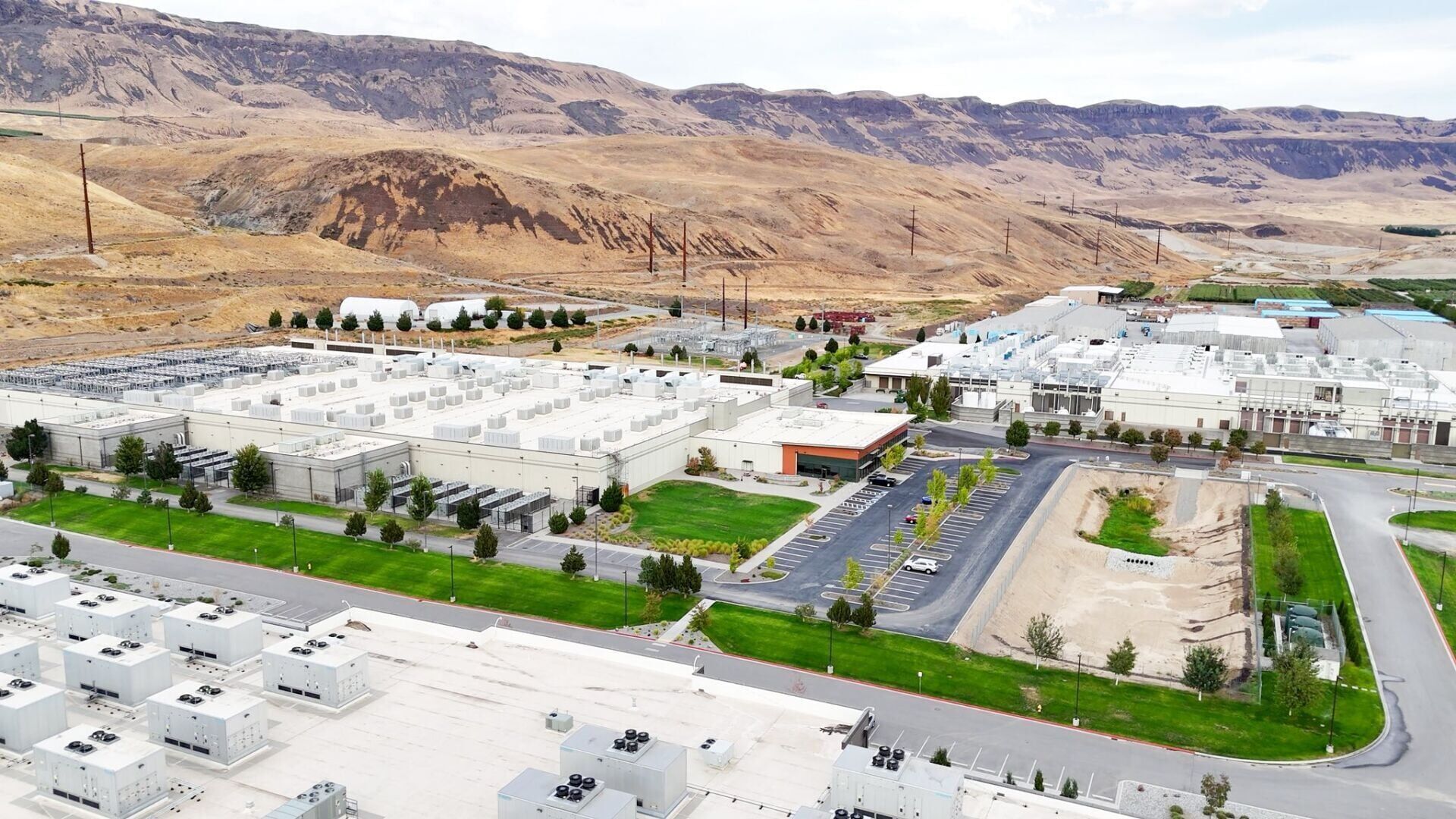
It includes basic information about data centers, Sabey’s proposed land purchase at the Montana Connections Business Park, power and water usage, potential jobs, lighting, noise and several other issues.
The report admits a few possible drawbacks, including a potential strain on rental markets if outside construction labor is brought in, but says other factors could soften that.
The committee also acknowledges more information from Sabey is needed to determine some data center impacts, and some findings are based solely on plans and information from Sabey that have not been finalized in designs.
But the committee says its work was extensive, most of its members have deep roots in Butte and want what’s best for Butte, and its findings are based on facts, not opinions and emotions.
Committee chairman Brian Sullivan ended an hour-long PowerPoint presentation by saying he was trying to be neutral and fact-based while reiterating numerous positives about the project.
“Butte does have a strong opportunity to expand its economy and welcome a Sabey data center,” he said, adding cautions against rejecting the project.
“The company has viable options in other counties in the state of Montana, so if we don’t get this, we don’t get the jobs, we don’t get the tax base and another county will,” he said.
Gallagher: First mission accomplished
Gallagher has been bullish on the project since last April, when commissioners agreed to sell 606 acres to an LLC of Sabey Data Centers it calls Horizons Montana. Sabey is based in Tukwila, Washington, and already operates some data centers in the U.S.
Commissioners have agreed to extensions on Sabey’s deadline for closing on the land deal and recently OK’d a six-month extension to Aug. 11 so the company can complete title work and settle energy issues, among other things. It is in talks with NorthWestern Engery on acquiring power.
Gallagher says the project will bring jobs, investments and tax dollars and be a new economic driver Butte hasn’t seen in decades.
But citizen and watchdog groups are wary of data centers in Butte and elsewhere, saying they consume massive amounts of water and electricity and could lead to much higher power bills for residents, among other things.
Their criticisms have grown in recent months, so in January, Gallagher established the ad hoc committee to field and answer questions about the project “with eyes wide open” and dispel what he called false information and rumors.
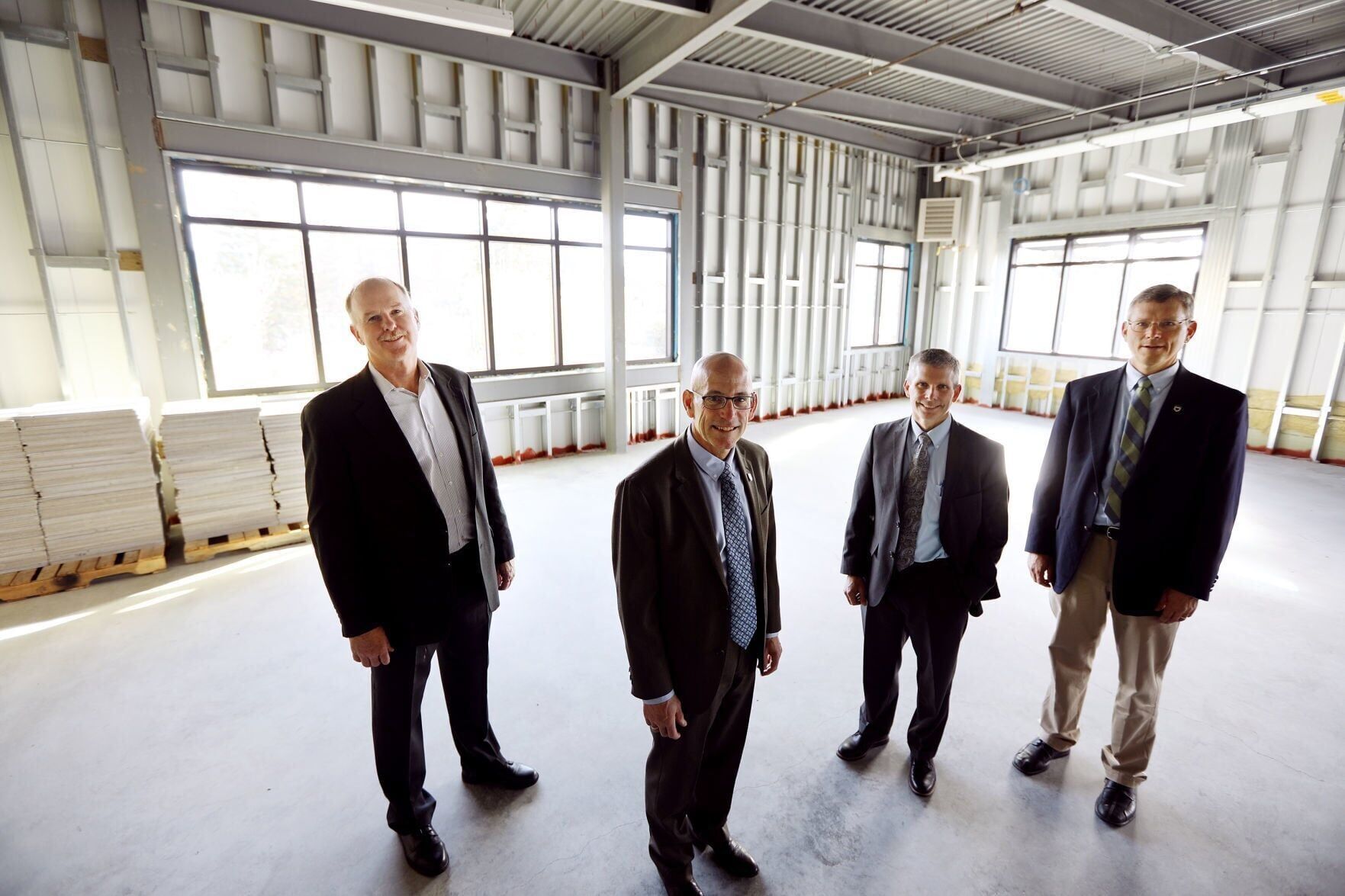
The committee includes local experts from various fields and is chaired by Sullivan, who served in numerous key positions at REC Silicon in Butte and now works for the Montana Manufacturing Extension Center, a statewide manufacturing outreach and assistance center.
Members also include Paul Babb with NorthWestern Energy, Bob Morris, energy chair at Montana Technological University, citizen activist Sarah Borduin, several county department heads, Commissioner Hattie Thatcher and others.
Gallagher said the committee can meet again as needed but that its primary mission has been accomplished.
“They were asked to answer questions of the community that they could answer — not to take a position but to answer those fairly — and so that’s what they did,” he said before Sullivan and others discussed the report Wednesday night.
Sullivan summarized the findings at the end of the presentation and noted the calls from skeptics and critics for “sideboards” — in this case referring to oversight, regulations and policies to protect citizens and ratepayers.
Morris discussed some of those and Sullivan reiterated them, saying NorthWestern Energy and the Montana Public Service Commission would provide safeguards for ratepayers and Butte-Silver Bow will oversee water usage and other issues through contracts and permits.
“So there’s sideboards,” he said.
Questions and criticisms remain
But almost all of the findings were positive for the project and parts of the presentation, despite assurances of neutrality, came off more like sales pitches.
“It’s the first time in 30 years I think that Butte’s had … a company wanting to invest a billion dollars in Butte,” Sullivan said. “Those kinds of companies don’t show up very often.”
A few passing comments seemed to mock some of the questions and concerns the panel heard from citizens.
As Sullivan addressed issues such as lighting, security and traffic, he said, “A lot of questions on all these topics — I laugh at some of them.”
“Sideboards. People ask about sideboards,” he said. “Must be a new 2026 buzzword.”
Those comments didn’t sit well with Nylund.
“I don’t think the public had high expectations from this committee considering it’s primarily composed of proponents, but citizens asking questions and wanting certainty didn’t expect to be openly mocked in the presentation,” he told The Standard.
“There’s nothing funny about people who already struggle with government actions driving up the cost of living wanting protections from subsidizing profits for out-of-state corporations,” he said.
Nylund said a lot of people have raised questions that remain unanswered, “starting with the sudden appearance of a shell corporation buying 606 acres when the described footprint would require around 30 acres.”
“These are all questions that should have been asked and answered before making commitments on behalf of the people of Butte, not a tail-wagging-the-dog committee talking down to citizens from entities who financially benefit,” he said.
No commissioner has publicly asked more questions about the project than Russell O’Leary, and that remained true Wednesday night. Among other things, he’s worried about a potential strain on Butte’s rental market.
Sabey said hundreds of construction workers will be needed to build the massive data center. That’s a good thing in ways, but O’Leary, a real estate agent and property manager, says a sudden influx of 300 or more people could drive rents in a tight housing market even higher.
They have gone up considerably in recent years, O’Leary said, and rose dramatically when 300 people came to Butte in a short time a few years ago to help film and support the television series “1923.”
The ad hoc report says construction employment could put strains on the rental market but local union labor could soften that, and Butte-Silver Bow has a plan in place to address overall housing issues.
“You and the ad hoc committee, of course, indicated that you’re not that worried about housing. I am,” O’Leary told Sullivan. “I appreciate the work our local folks are doing around housing but I would like to see what Sabey’s plan is to prevent disruption.”
O’Leary told the Standard on Thursday he appreciates the efforts the ad hoc committee has made.
“I know that all these folks have put in a lot of work,” he said. “I attended all their meetings and I know a lot of other commissioners did the same. I’m glad they went out there and did the fact-finding on behalf of the local government and gave us a presentation.
But, O’Leary said, “The information from Sabey is being filtered to the local ad hoc committee instead of coming directly from Sabey.
“I’ve said it before and I’ll keep saying it — I would like them (Sabey) to come in front of the council and give us a presentation about what their whole plan is.”







Comments ()