
Riffle-and-Pool: Carving a new home for fish habitat in Anaconda's Fifer Gulch Creek
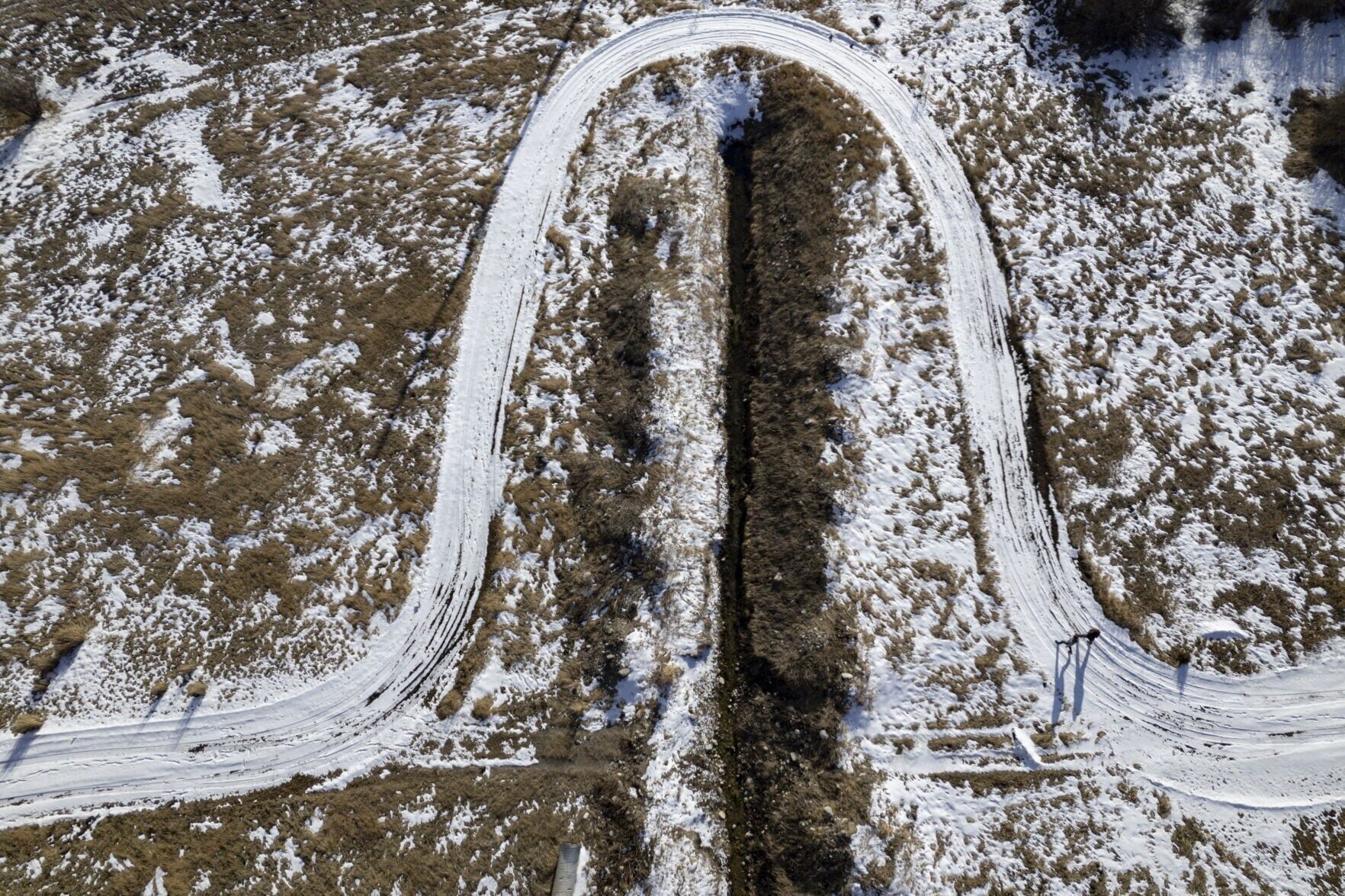
ANACONDA — Alex Leone stood at the edge of an engineered meander and imagined an eager youngster standing there someday making memories with a fishing rod.
Leone is president of the George Grant Chapter of Trout Unlimited. The storied chapter is shepherding an ambitious project to transform the ditched and channelized Fifer Gulch Creek west of Anaconda into a naturally meandering stream boasting the sort of habitat favored by trout.
A nearby spring creek, similarly ditched years ago, will also gain meanders and habitat to accompany its predictably cold water.
Both streams flow into Warm Springs Creek, a tributary of the upper Clark Fork River, which needs all the help it can get.
Fifer Gulch Creek originates at Hearst Lake, a mountain lake of the Anaconda Range. The creek’s upper portions are dominated by a forested riparian environment before flowing through two former reservoirs. It then flows through a series of beaver ponds before traveling along a subdivision and beneath West Park Avenue near the Thriftway convenience store.
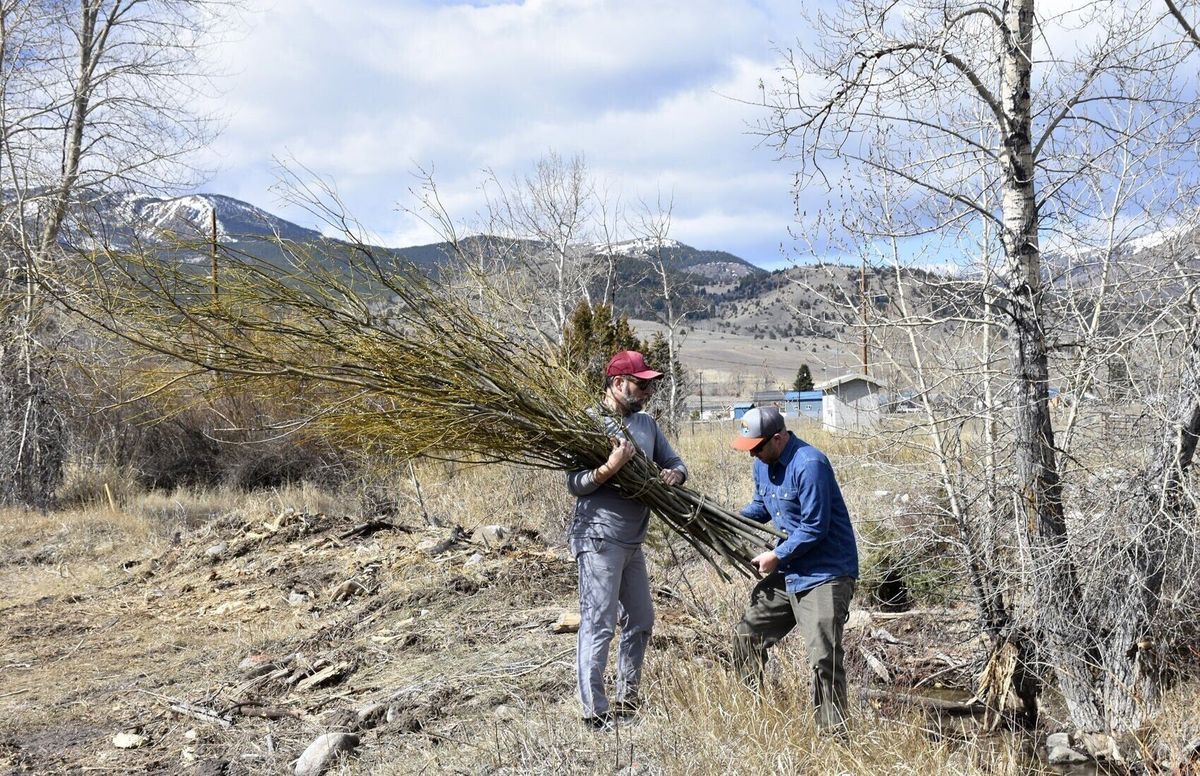
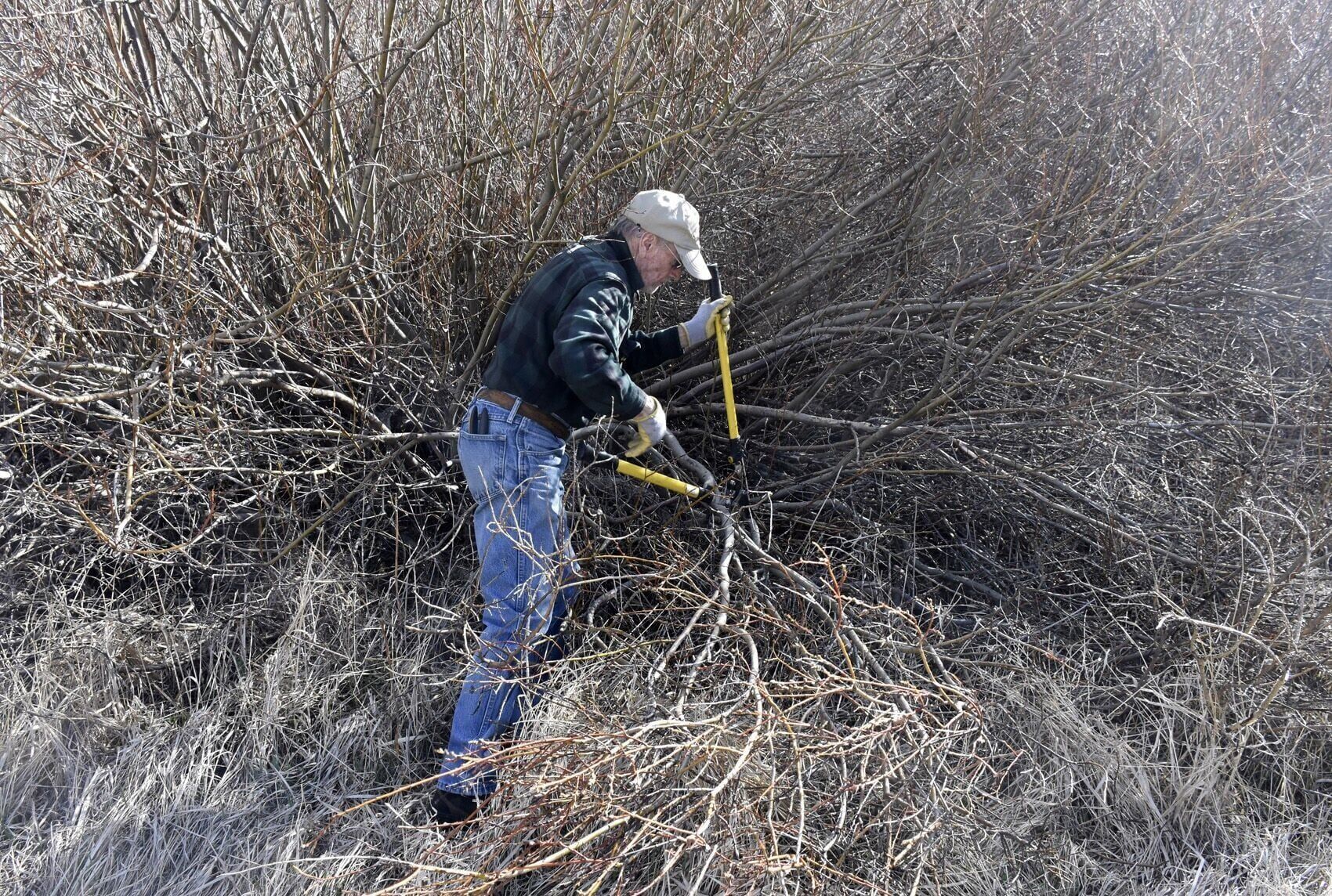
On Sunday, 13 volunteers, armed with loppers and hefty skeins of jute twine, spread out to harvest willow branches to create riparian habitat along the new Fifer Gulch streambed taking shape nearby. They worked on land owned by Anaconda-Deer Lodge County, adjacent to the archery range off North Cable Road and outside any active streams.
Leone briefed the crew before the cutting began.
“We need over 10,000 willows,” he said. “We’re saving a ton of cash by doing this.”
No one groaned.
Leone said the George Grant Chapter of Trout Unlimited came up with the idea for the project.
“We raised over $200,000 from grant sources, and the chapter itself has put in well over $100,000 of our own money over four years to get to this point,” he said. “I think the board feels like this is one of our legacy projects.”
Other contributors have included the Anaconda Sportsmen’s Club, Montana Trout Unlimited, the Montana Department of Fish, Wildlife & Parks and its Future Fisheries program, the Clark Fork Coalition, which secured a grant from the Charlotte Martin Foundation, and the National Wild Turkey Federation.
Leone said Anaconda-Deer Lodge County has been supportive.
He guessed the project’s costs will total about $350,000.
Andy Fischer, a restoration project manager for the Clark Fork Coalition, and his son, Erik, 9, were among Sunday’s participants.
Fischer provided a tutorial for the group about willow cutting.
“When you cut them like this, as long as they have access to water, they’ll form roots and form new willows,” he said. “This isn’t hurting the willows here. These will sprout right back.”
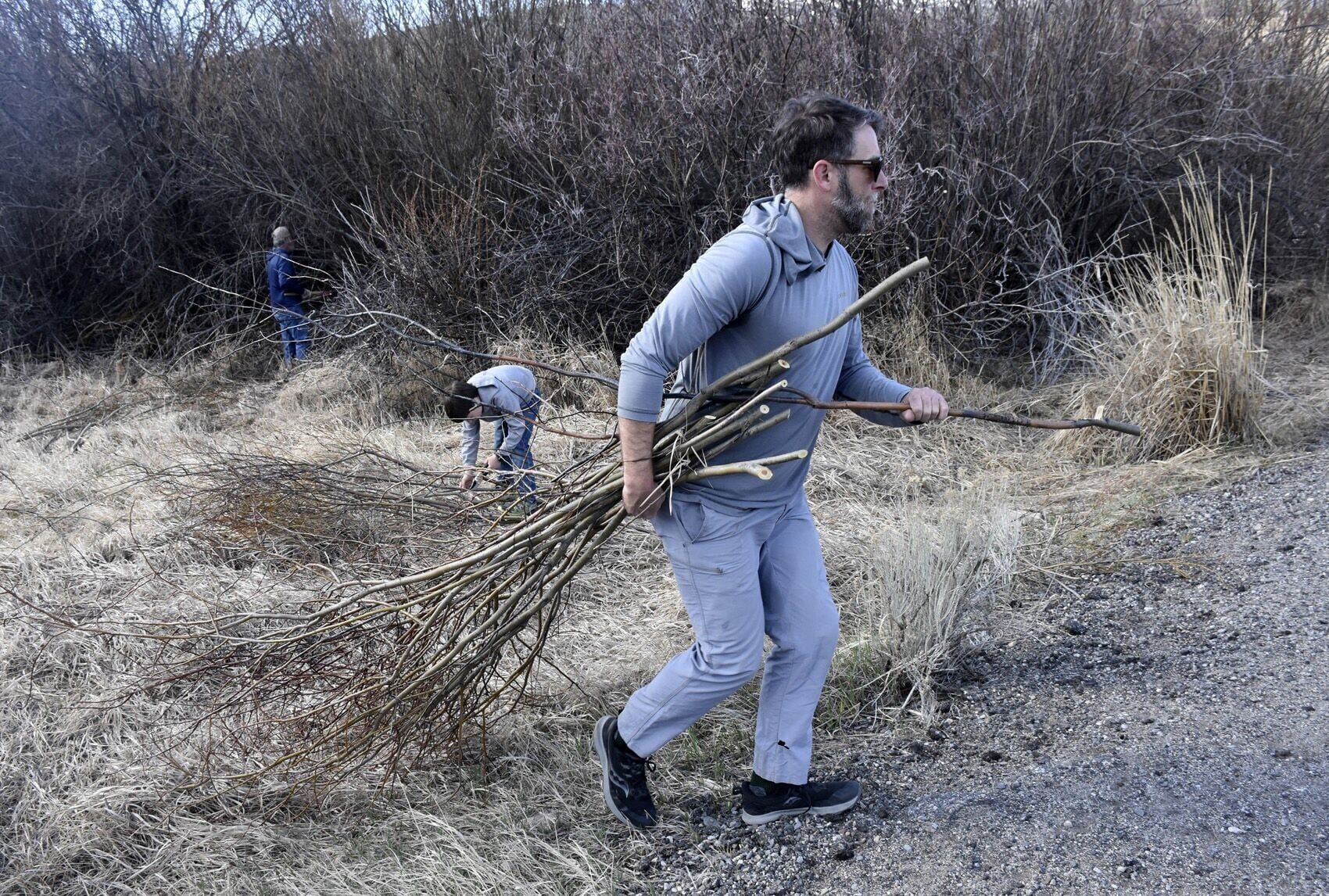
Fischer recommended cutting willow branches that were 6-to-10 feet long and less than an inch in diameter at the base. He suggested wrapping a bundle of 20 branches in twine for transport to the restoration site, which was across North Cable Road and on the far side of Warm Springs Creek.
Leone made it clear that no one expected the volunteers to harvest 10,000 willow branches Sunday. The spring sun was warm but there was wind in the willows. A snow-bedecked Mount Haggin loomed in the background.
Fischer recommended a division of labor. Some would cut and a few would wrap.
Robin McKernan wrapped. Her husband, David, and other loppers spread out to separate stands of willows in a quest to find the best branches.
Not spindly, not stout.
Other volunteers Sunday morning included Sam Klusmeyer, Paul Olson, Mark Petroni and Ben Whiteford.
Leone lopped but also did some cheerleading.
“What a beautiful bundle!” he exclaimed at one point.
After several hundred willow branches had been cut and bundled, the crew loaded them on a trailer or in pickup beds and drove to the work site, where the cut ends were placed in water. Later, when the site is ready, they will be planted deep enough to reach the water table.
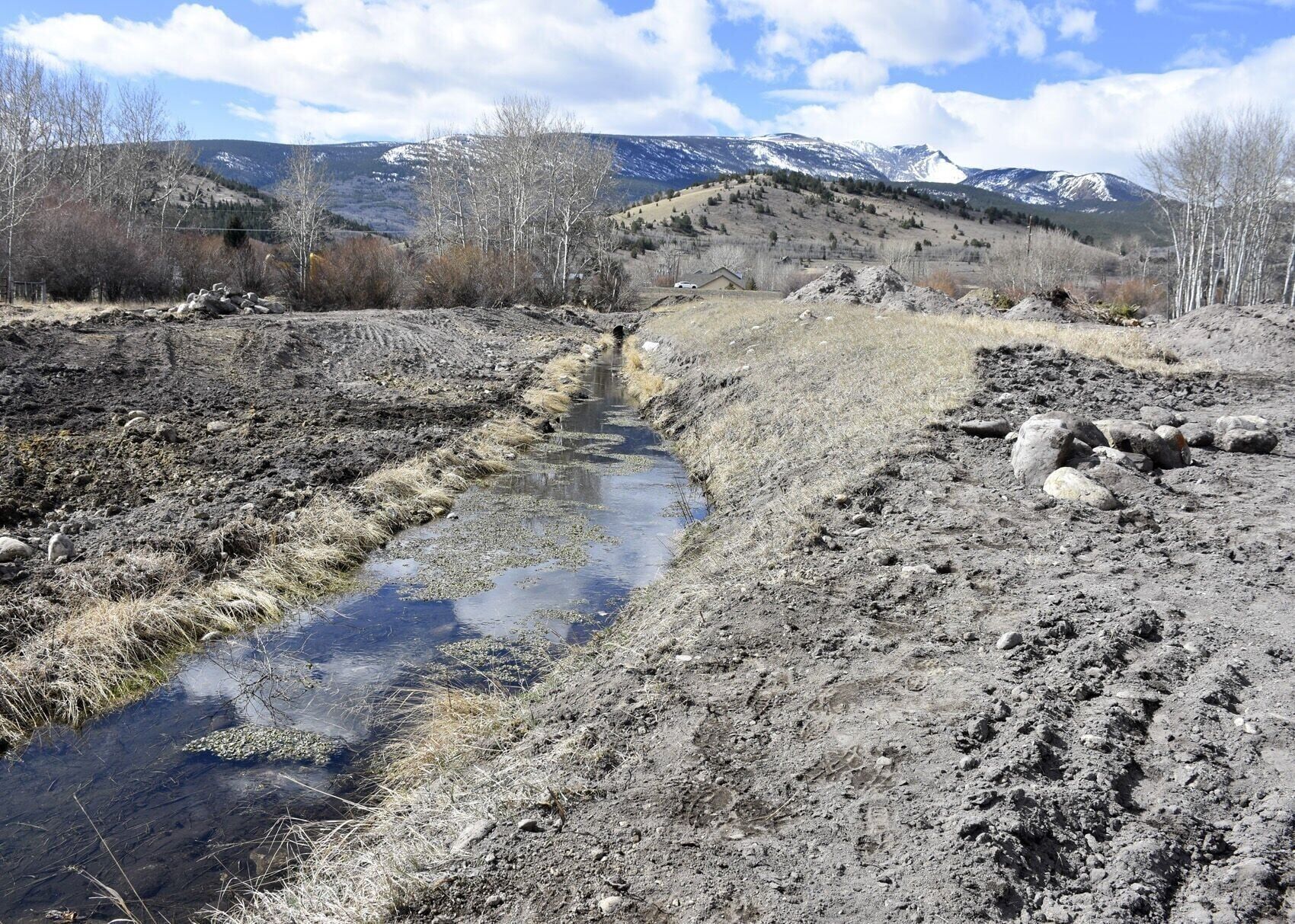
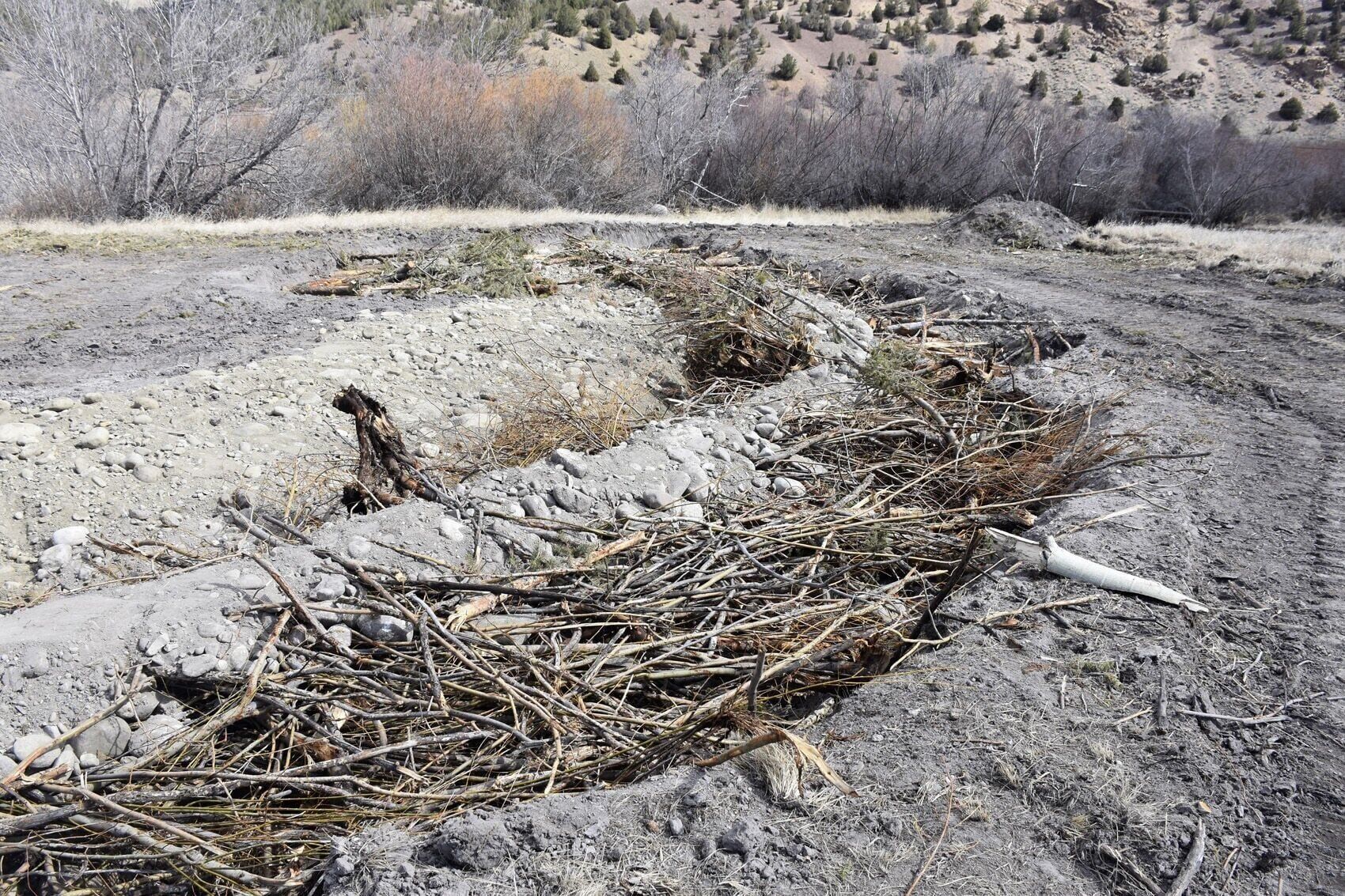
Glacier Excavating out of Eureka started work just two weeks ago, and Leone said the contractor has already accomplished a lot — carving a new, meandering streambed for Fifer Gulch Creek, with riffle-and-pool structure designed to create habitat diversity for fish.
The design incorporates woody debris, which helps create a more diverse aquatic habitat, stabilizes banks and aids a stream’s connection to its floodplain.
Leone said he has been impressed by what he described as efficient and expert work by Glacier Excavating on the Fifer Gulch project. The endeavor will add 2,000 feet of total channel and also create five acres of wetlands.
He said the restoration project’s value will appreciate over time by creating the cold and diverse habitat sought by trout and by fostering the sorts of rich memories youthful anglers make in their pursuit.
Leone said volunteers worked Sunday until about 5 p.m. and harvested about 2,500 willows.
“We all ended up with scratched and bruised forearms and hands but it was worth it,” he said.


Comments ()