
'Roadless Rampage' stops in Bozeman: Community members react to proposed repeal of rule
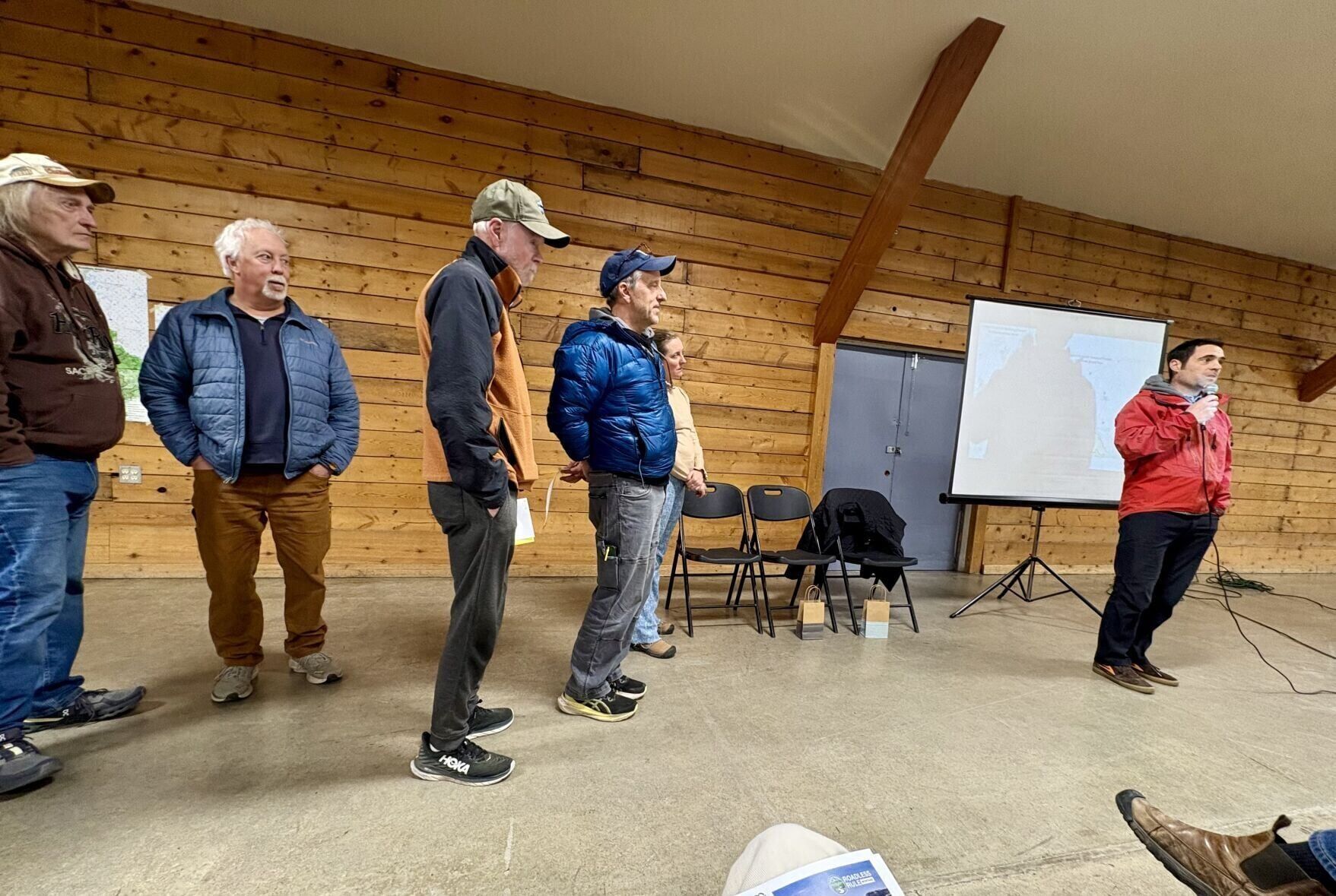
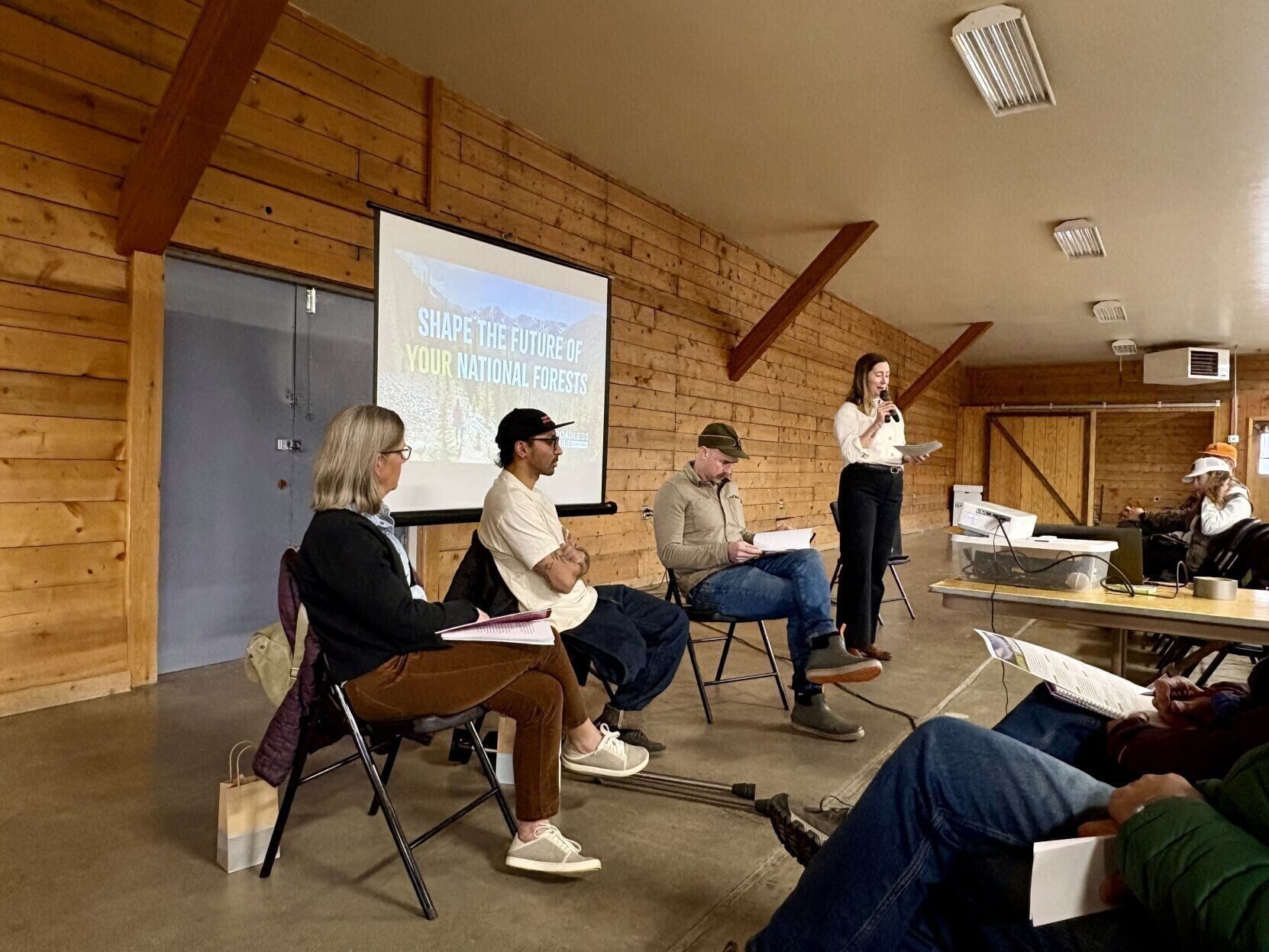
As the wind howled at the Gallatin County Fairgrounds buildings, 270 community members shuffled into an exhibition building, eager to discuss the U.S. Department of Agriculture’s proposal to rescind the two-decade-old Roadless Rule.
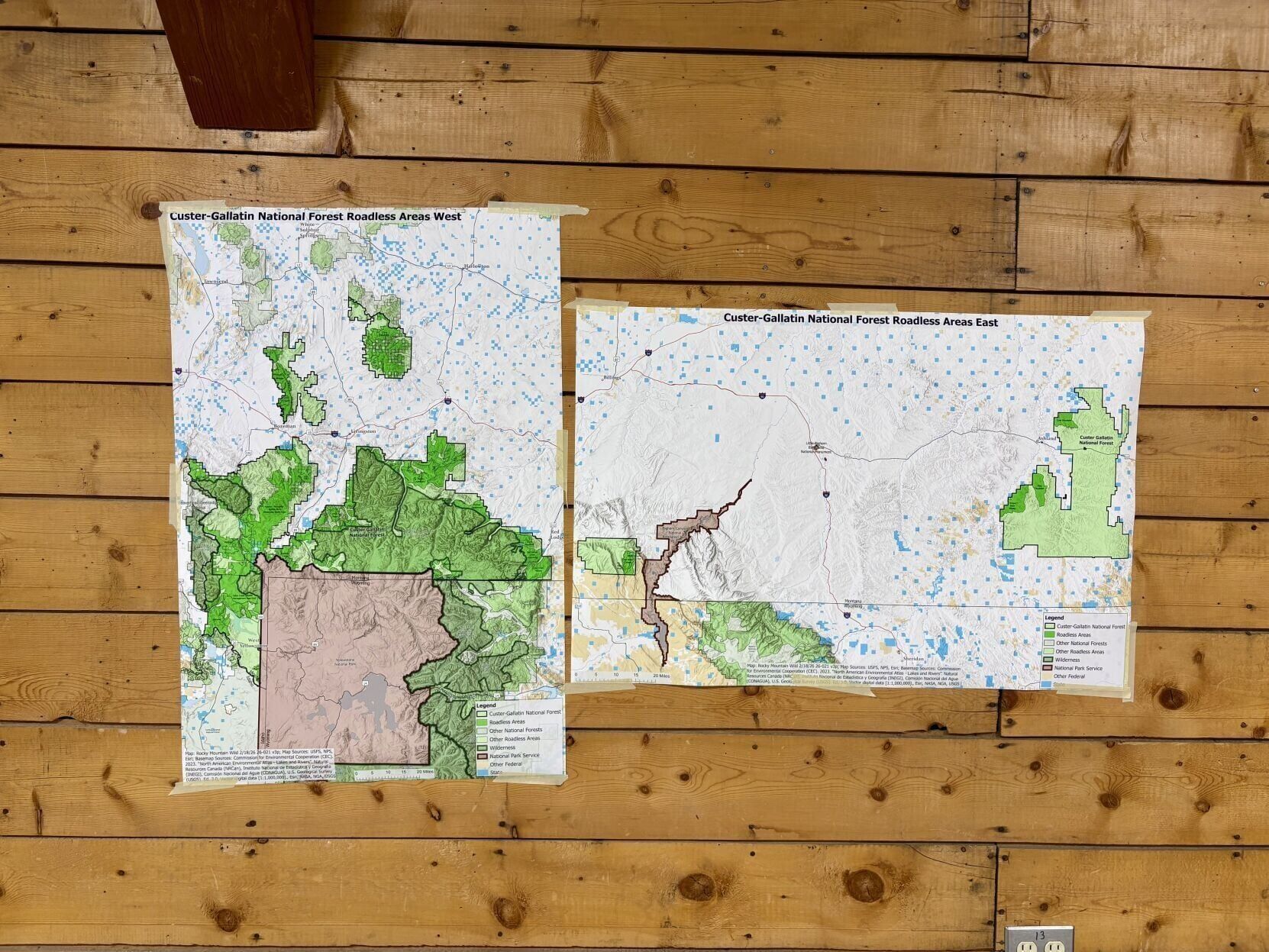
The rule restricts most timber harvesting, road construction and reconstruction while still facilitating recreation, wildfire suppression and habitat restoration on nearly 60 million acres across the national forest system, including more than 800,000 acres on the Custer Gallatin National Forest.
The Bozeman meeting was the sixth in what Wild Montana’s federal policy director Hillary Eisen calls the “Roadless Rampage”: A seven-city lineup of public meetings designed to collect public input on the proposed decision.
The Public Lands Coalition, which includes representatives from more than a dozen conservation groups, hosted events for each of Montana’s major national forests in the absence of an Forest Service-led public comment period.
Leading up to the creation of the Roadless Rule in 2001, the USFS held more than 600 public meetings across the country, including 34 in Montana, where nearly 6.4 million acres are impacted.
“It was the most robust public engagement process the agency has ever done,” Eisen said.
“And so, (for USFS) to say that we’re going to get rid of this rule with no public meetings and a very short public comment period, it just didn’t feel right.”
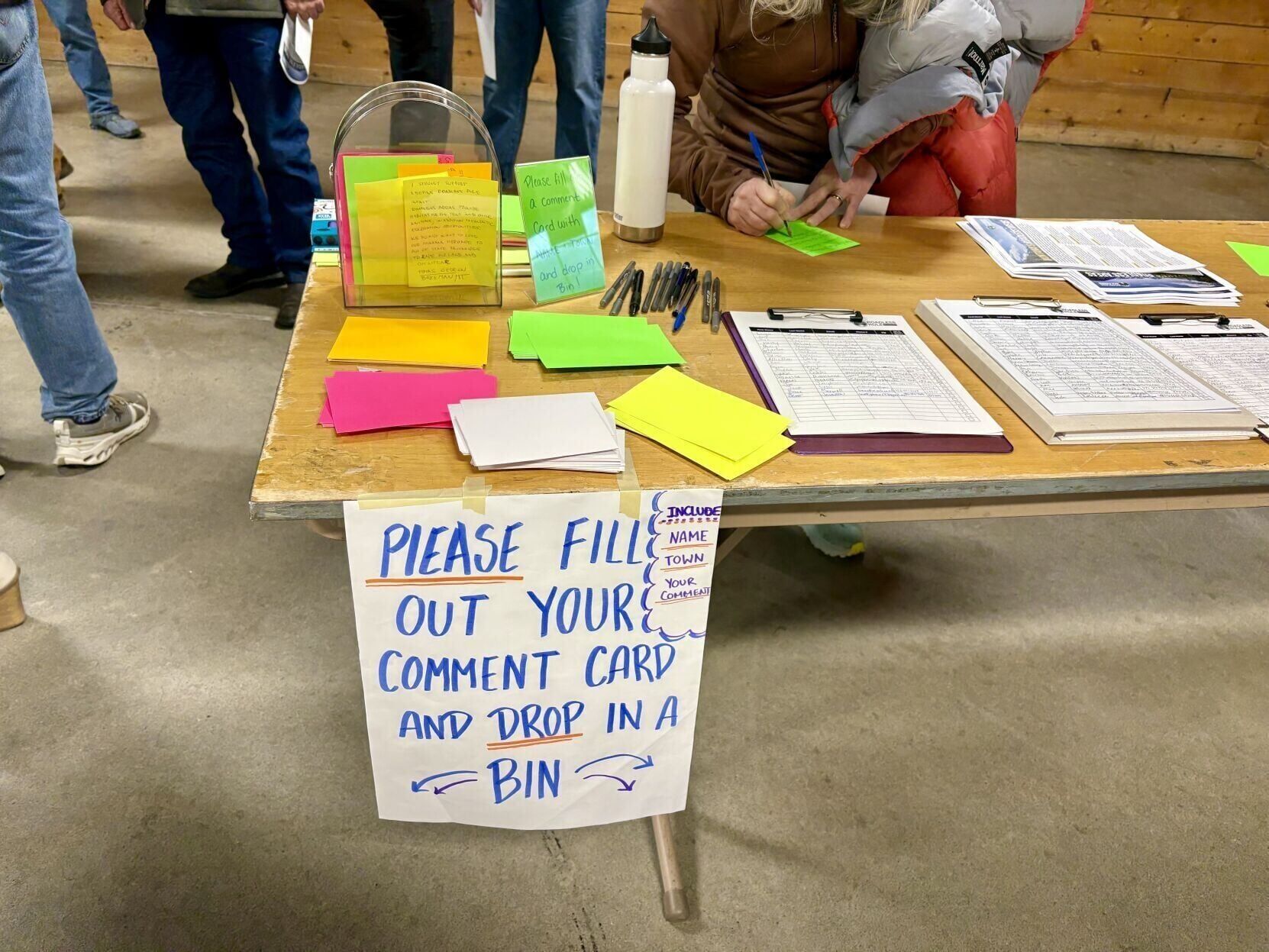
Twenty community members, including a self-proclaimed “retired mad scientist”, a sportsman, a grandfather speaking on behalf of his 8-year-old granddaughter, and a harvest economics and timber industry worker, filled nearly an hour of public comment, speaking in two-minute testimonies.
“I look around the room, and I don’t see many people my age, and that’s fine, but I would like to say something for people my age and younger: We don’t want to lose this,” one 25-year-old Bozeman resident said. “We love this. And scary to think of the rest of our lives without it.”
In June 2025, U.S. Secretary of Agriculture Brooke L. Rollins announced that the USDA, which oversees the USFS, aimed to rescind the Roadless Rule. A USDA press release referred to the Roadless Rule as an “outdated administrative rule” that is “overly restrictive and poses real harm to millions of acres of our national forests”.
If the Roadless Rule is rescinded, large swaths of land across the country will be eligible for road construction, creating opportunities for industrial logging and mining, and posing threats to wildlife habitats and recreational areas, organizers said.
The Roadless Area Conservation Rule, or “Roadless Rule”, was passed by the Clinton administration in 2001. It designated nearly 60 million acres of forests and grasslands as “inventoried roadless areas”.
The rule established “prohibitions on road construction, road reconstruction, and timber harvesting ... to provide lasting protection for inventoried roadless areas” while keeping the areas open to the public, allowing hiking, fishing, hunting, and some motorized recreation.
“A lot of folks have touched on the value these lands represent for wildlife habitat, from grizzly bears to upland game birds and big game species. As a passionate sportsman myself, I view this recision as a direct attack on Montana’s 11-week general hunting season,” Mike Mershon, president of the Montana Wildlife Federation, said.
Other commenters urged audience members to vote, call their representatives, and organize.
“This is an issue that crosses party lines, and that’s a very powerful place to speak from,” another commenter said. “I encourage you to continue to talk to folks that maybe don’t have the same political views or engage in the same activities as you.”
While most commenters spoke in favor of the Roadless Rule, several acknowledged flaws.
“I’m not here to advocate for roads or (the) decision, but the rule is broken,” one commenter who works in the timber industry said. “Exemptions haven’t been honored across the landscape in the way they should. They’re not evenly applied from ranger district to ranger district.”
In defense of the proposal, the USDA wrote that rescinding the Roadless Rule will “(allow) for fire prevention and responsible timber production” on nearly 59 million acres of NFS land currently “restricted from road development”.
“As currently written, the rule is not prohibitive in emergency situations,” Lisa Stoeffler, a retired supervisor and district ranger for the USFS and panelist at the Bozeman meeting, said during a presentation. “In a firefighting situation, time is of the essence. And road building is rarely an option.”
Another commenter emphasized this point, drawing on the 2020 Bridger Foothills Fire.
“Would a road have prevented that? No. What can you do to prevent a fire like that? Shave all the trees ahead of time? That’s kind of what the Forest Service wants to do, and it’s not going to work.”
Stoeffler framed the Roadless Rule as a guideline for land management.
“I don’t believe it’s prohibitive, but it’s a chance to pause and be cautious. The Roadless Rule is the needed national context for large, unroaded parcels that guides local decision-making,” Stoeffler said. “There’s simply no good reason to upend the good work done at the local level.”
In late August 2025, the USFA published a notice of the action in the federal register, kick-starting a 21-day public comment period that closed Sept. 19. Nearly 200,000 comments were submitted.
“Most of the comments were in opposition to repealing the rule and, even more so, expressing concern about the way in which they were going through this process. The agency is doing a ‘sprint administrative’ process,” Eisen said. “It makes you feel like they have a preordained outcome.”
During the comment period, Eisen said Montanans asked the USFS to hold public meetings. When they were met with silence, Wild Montana, Business for Montana’s Outdoors, Backcountry Hunters and Anglers, Trout Unlimited, Montana Backcountry Horsemen, Wilderness Society, Montana Wildlife Federation, Mountain Mamas, National Parks Conservation Association, Sierra Club, and Montana Audubon took matters into their own hands.
So far, the meetings have drawn more than 800 participants across six communities, organizers said. The final meeting will be in Helena, representing the Helena-Lewis and Clark National Forest.
“This is no fault of the local national forest employees; this is a process and decision being driven out of D.C. by political appointees,” Eisen said. “This is not something local national forests have been consulted on, and they’re likely not getting any more (information) than we are.”
A drafted Environmental Impact Statement and proposed rule are expected to be released by the USFA in late March or early April, triggering another public comment period. Once all the meeting transcripts and written comments are collected, Eisen said they will be mailed to Washington, D.C., as part of the Forest Service EIS comment period.


Comments ()