
Robocalls, critics & pork: Montana’s budget fight still sizzling after contentious session
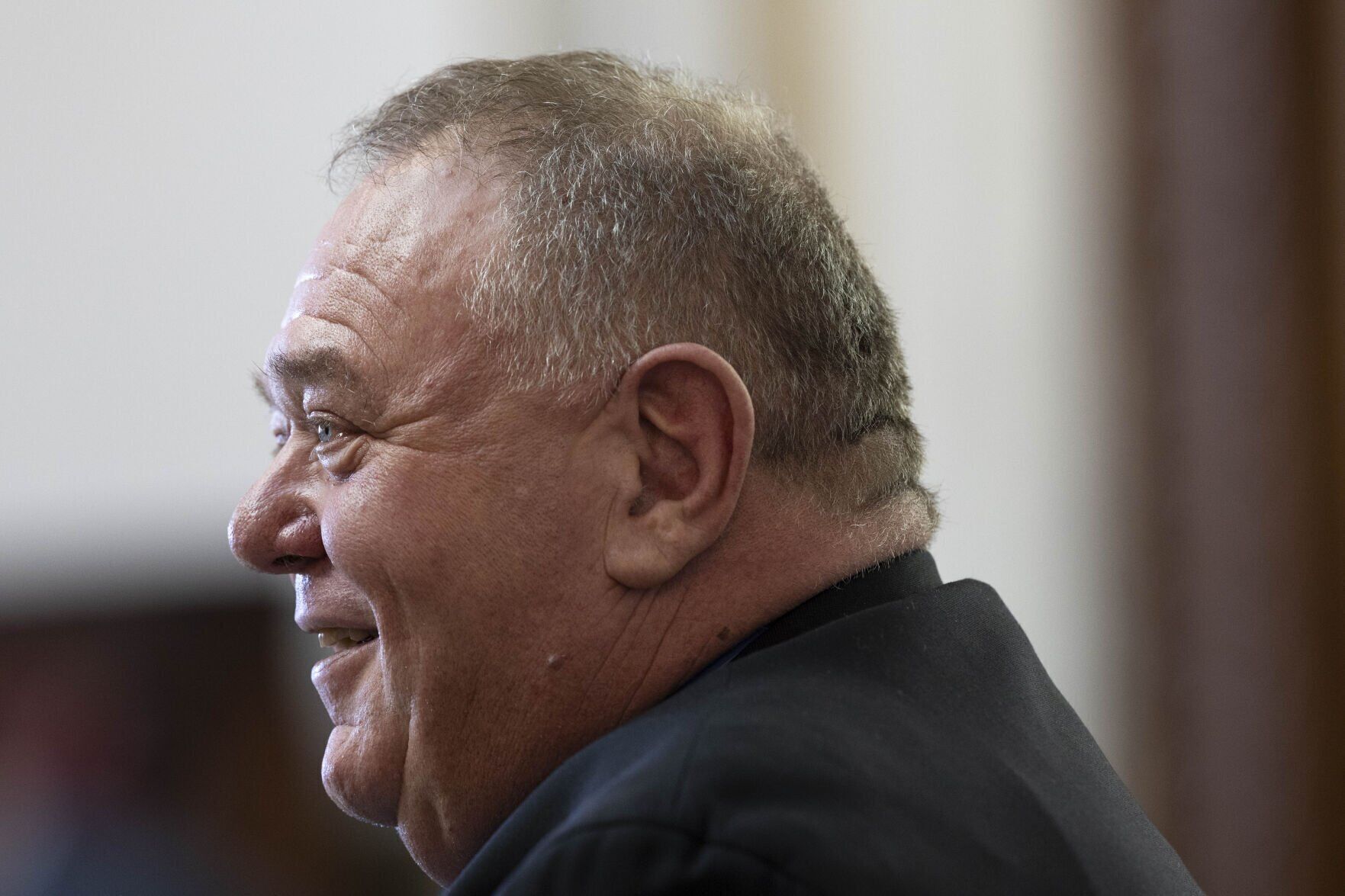
Robocalls are a hallmark abrasion of election season, so it seemed abnormal to Rep. Llew Jones, a longtime Republican legislator from Conrad, to hear them in an off-year. More unusual yet is that those automated voice messages target Jones for his role in engineering the state budget, a matter that’s no longer in his hands after the Legislature adjourned a month and a half ago.
"In D.C., President Trump is doing D.O.G.E.," a woman’s voice says in the message, referring to Elon Musk’s quasi-governmental cost-cutting operation in the Trump administration. "In Helena, Llew Jones is working with Democrats to increase spending by more than $2 billion. Fat cat politicians like Jones are looking out for bureaucrats, not taxpayers."
That automated message, which bears no attribution to its source, was the third such communication in as many days criticizing Jones. A Montana State News Bureau reporter’s cell phone received four of the messages in the last week, some of which specifically urged voters to call Jones about "playing accounting games to hide the truth."
None of those calls fall under the electioneering or lobbying laws that require the messenger to reveal their identity or the amount spent to beam them into peoples’ message boxes, according to the state commissioner of political practices. But they do register the extent of how antagonistic the messaging has become around the state’s two-year budget.
"It's unusual," Jones said on Monday. "Usually the anger is much more about social issues."
The robocalls are the latest component in a weekslong campaign that followed the legislative session, an effort that is on its own unusual. While the budget is a perennial bone of contention at the Capitol each session, press releases, blog posts, and letters to editors at newspapers large and small around the state have carried some heat from the Republican Party’s hard-right flank against Jones and his moderate allies who played the lead role in finalizing the state budget before it was transmitted to the governor.
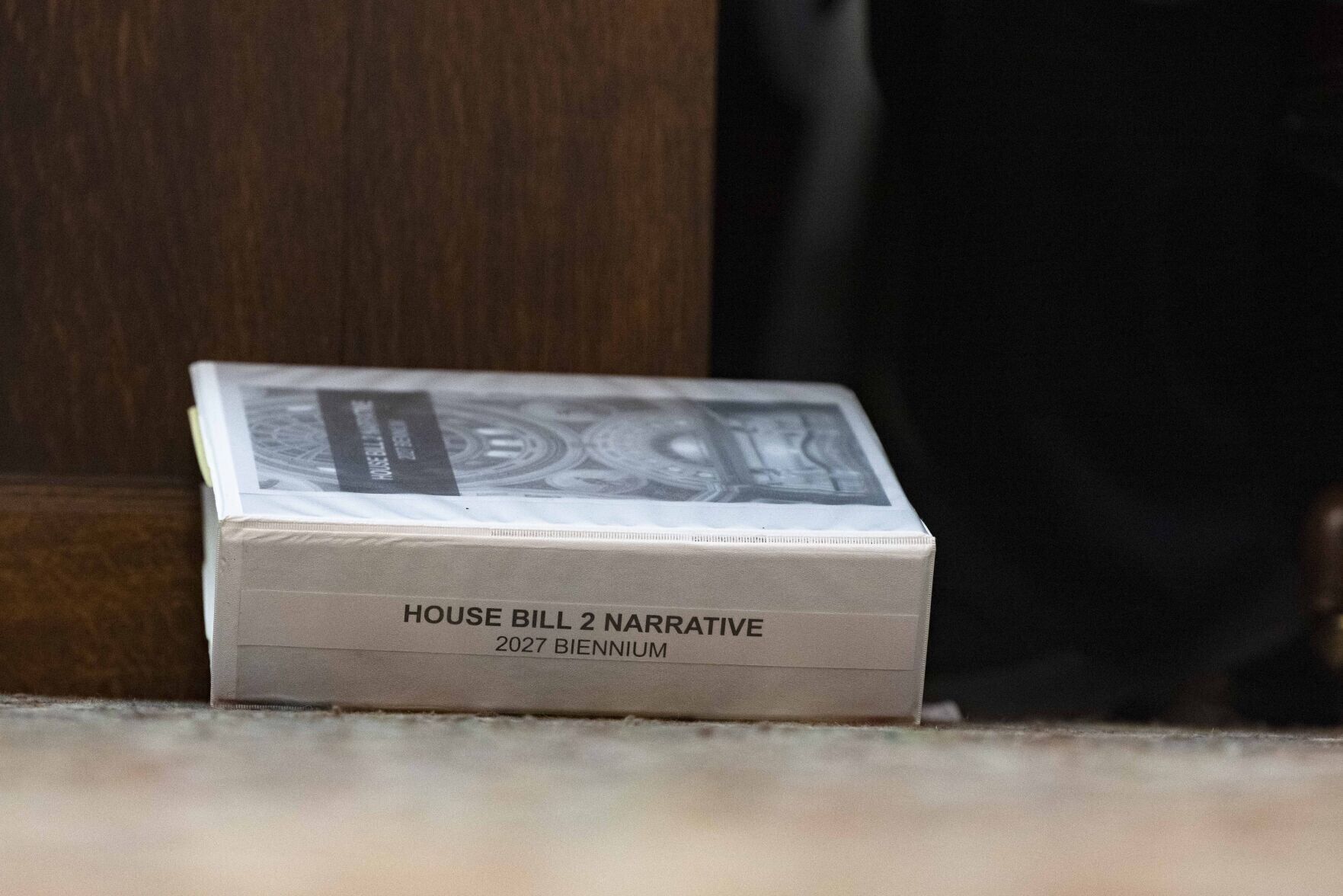
House Bill 2, the state budget, arrived at Gov. Greg Gianforte's desk on Tuesday to be signed or, in all likelihood, trimmed down. It funds state government for the coming two fiscal years, the first of which starts July 1.
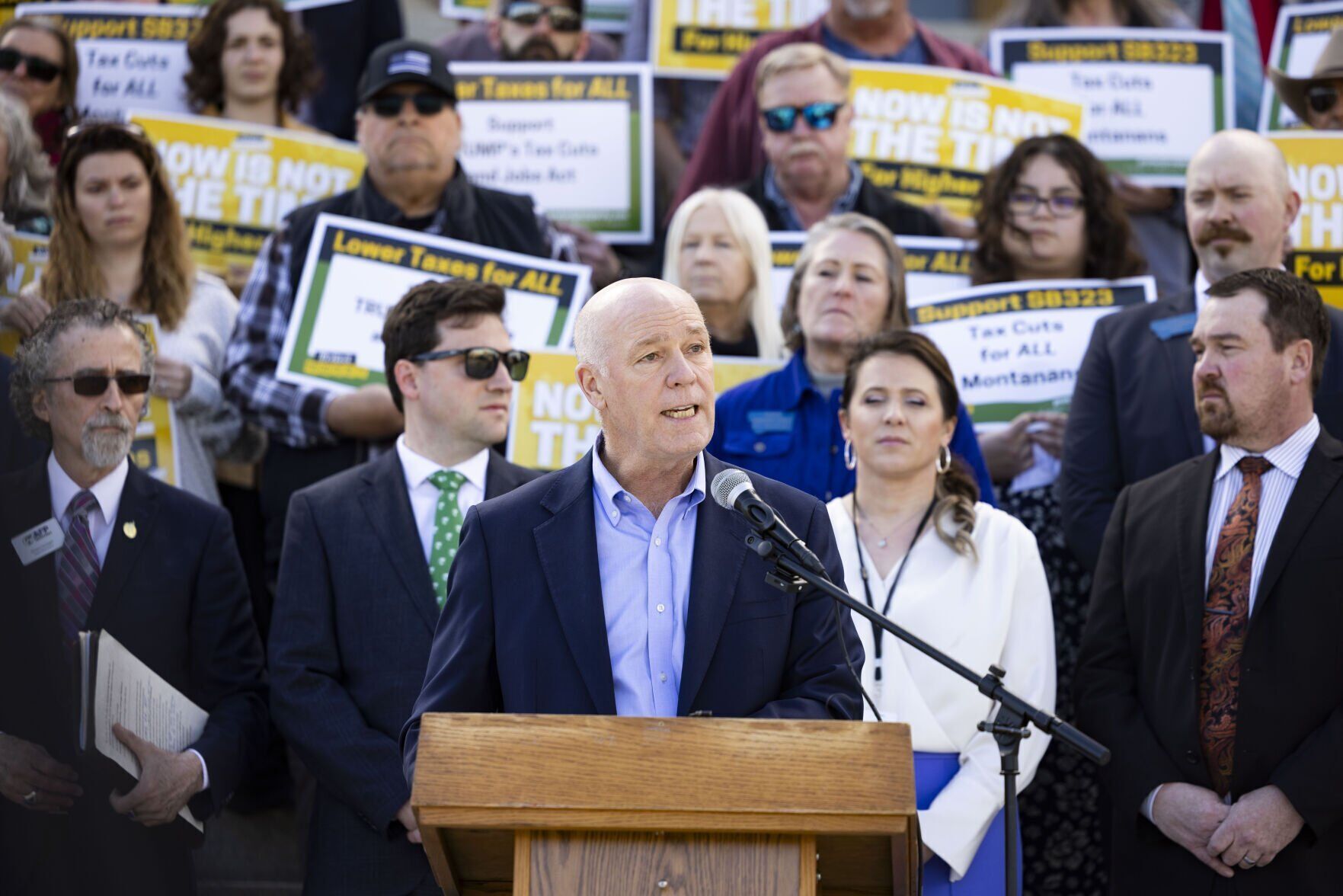
Negotiations throughout the legislative session highlighted core differences in budget philosophies, deepening the rift between Jones' coalition of moderate Republicans and Democrats who exercised a heavy hand over the process and the GOP's conservative arm, which sought to slash spending, especially on public benefits, and put more money directly back into the pockets of taxpayers.
Both factions said their approach would set Montana up for long-term financial security by leaving money in the bank. Jones contends a new $900 million trust fund guarantees future priorities can be funded. Republican hardliners have said the current budget spends too much and leaves too little for any economic uncertainties.
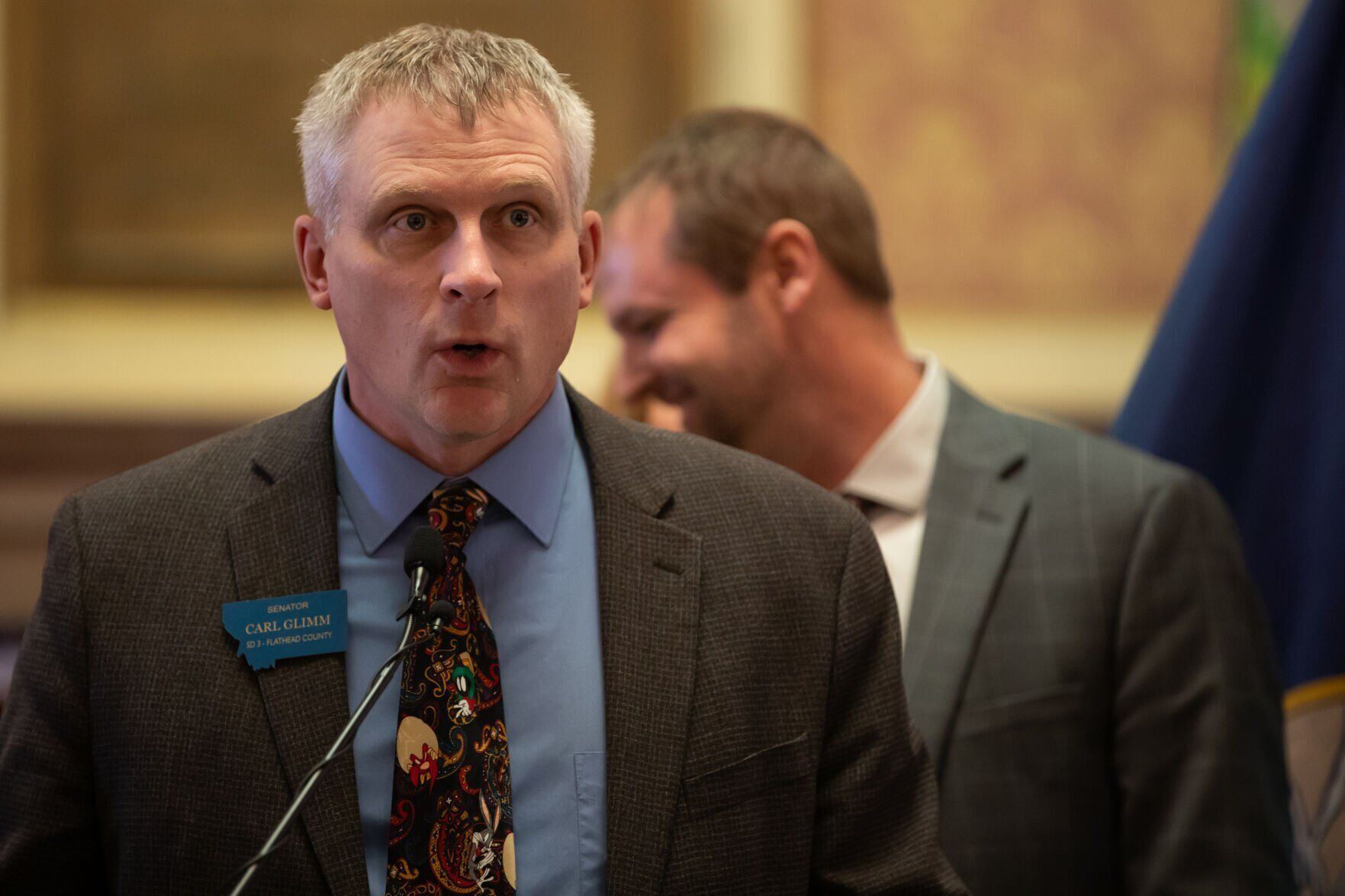
"I want to see a responsible ending fund balance — I don't want to see it overly large — but it should be responsible, and that is spelled out, especially looking at the surpluses that we came in with," said Senate Finance and Claims Committee chair Carl Glimm, R-Kila. "We shouldn't be squeaking by narrowly … at this point when we’ve got so much money going around doing all kinds of different things, it seems a little bit irresponsible to leave us that tight at the end."
The state budget is up. By how much depends on who you're talking to. Jones' adversaries claim the state budget ballooned by 17% because money appropriated for a specific purpose counts as spending even if it lives in a trust fund.
Jones has spent weeks on his own messaging campaign assuring people that the 2025 Legislature passed a minimal budget increase, closer to 2%, and that the higher number incorrectly attributes funds shifting into a new state trust fund as "spending," which he likens to moving money from a person's checking account to their savings account.
State fiscal documents that include that 16-18% figure, he notes, also bring in spending from the previous fiscal years.
"I'm not saying that measurement is mathematically incorrect, it's just not mathematically representative of what the 2025 Legislature spent," Jones said.
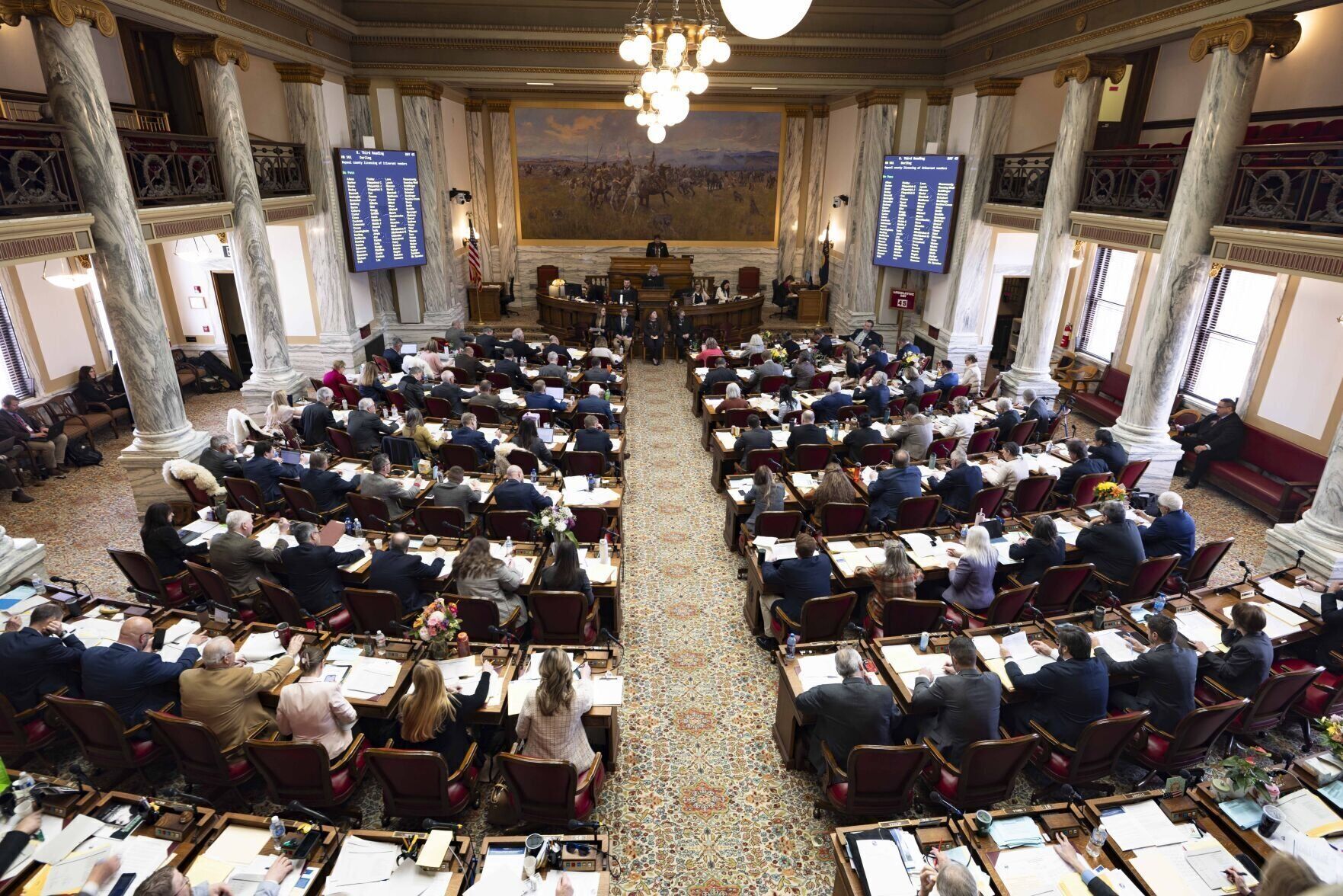
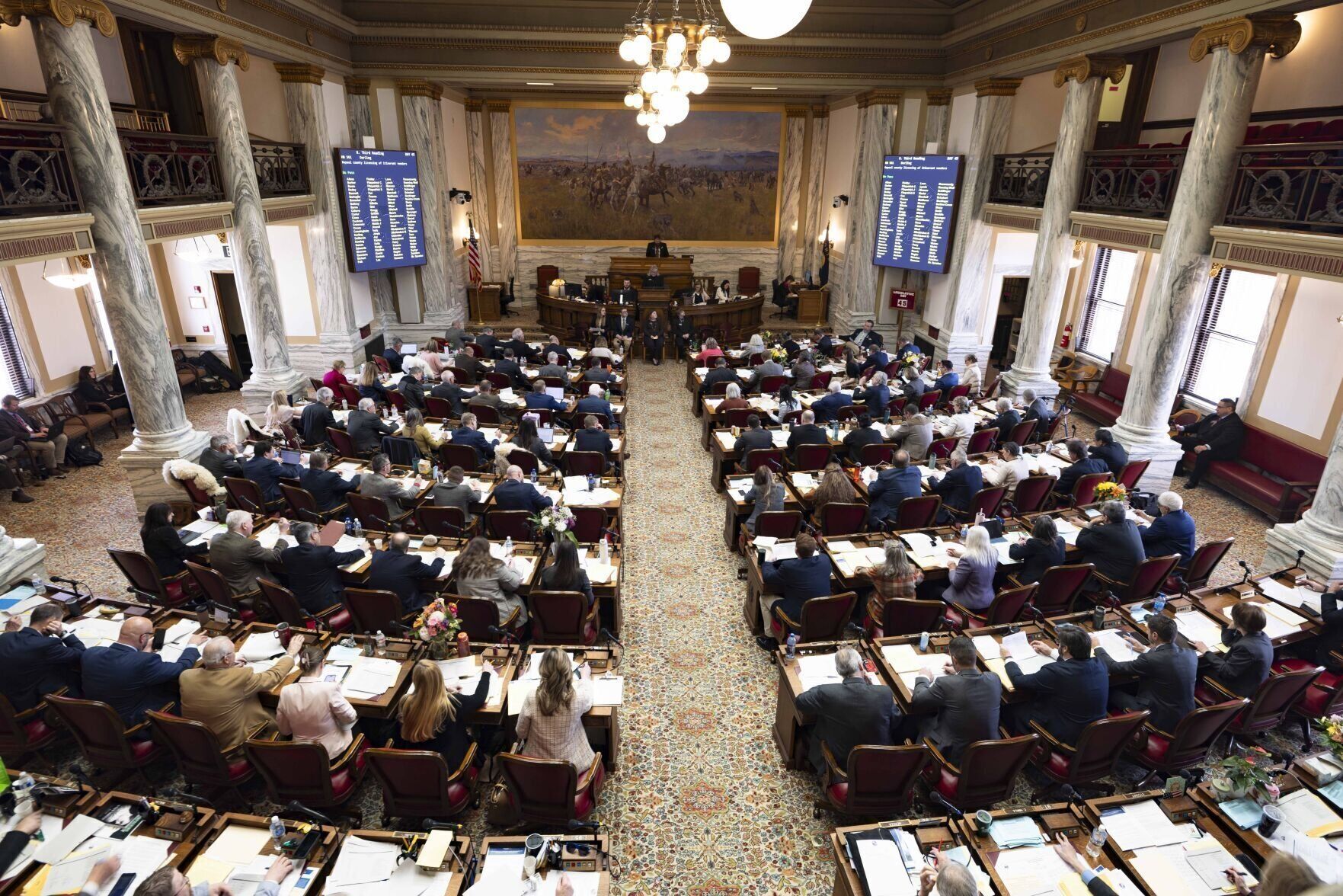
It's a fight that's been ongoing since the session, when a moderate band of nine Republicans backed by Jones took control of the Senate by partnering with all Democrats in the chamber to form a working majority. That voting bloc, along with Jones’ coalition in the House, muscled through the state budget, Medicaid expansion reauthorization and property tax measures over the outrage of their Republican peers. Where many Republicans argued that the state’s surplus should be returned to taxpayers by way of rebates, Jones’ trust fund in House Bill 924 ultimately won out.
Jones said the turmoil aimed at him over the budget is perhaps an overcorrection by some Republicans who have to face their constituents after voting against items like property tax relief.
"I think a lot of folks went home and took some votes that people are finding hard to defend," he said.
Budget balancing act
The process is now at the governor’s desk, where Gianforte has exercised his veto authority over what he has already called irresponsible spending legislation outside of the state budget, often referred to as "cat-and-dog" bills. Those vetoes have included a bill to spend $22 million in the next four years by lowering barriers to antipsychotic medication, which Gianforte said would hamstring the state health department’s ability to facilitate care, and another bill that would have spent $141 million over that same timeframe on local law enforcement efforts, which the governor said was a "brazen raid" from the state’s general fund to expand bureaucracy.
A spokesperson for the governor’s office on Thursday did not respond directly to questions about Jones' work on the budget in light of the ongoing messaging battle, but did defend the governor's proposed budget, which saw many provisions reach the legislative finish line.
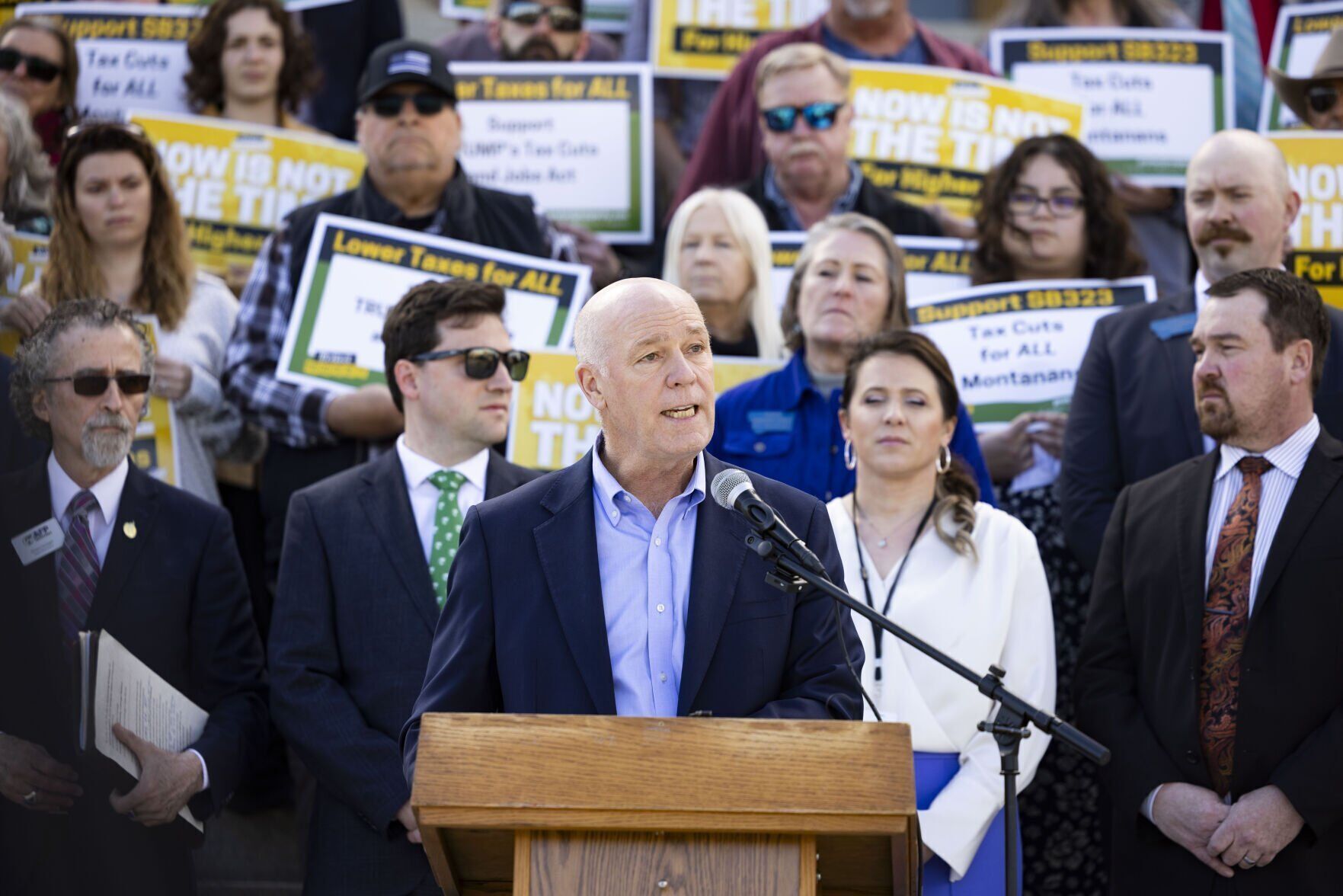
"The governor’s 2025 budget held the line on spending — keeping spending growth well below inflation and has a strong ending fund balance to protect against economic and financial uncertainty, all while avoiding cuts to essential services," spokesperson Kaitlin Price said in an email. "Those remain Gov. Greg Gianforte’s priorities and will guide his consideration of the budget and the glut of pork barrel spending bills the Legislature passed which was not fiscally responsible."
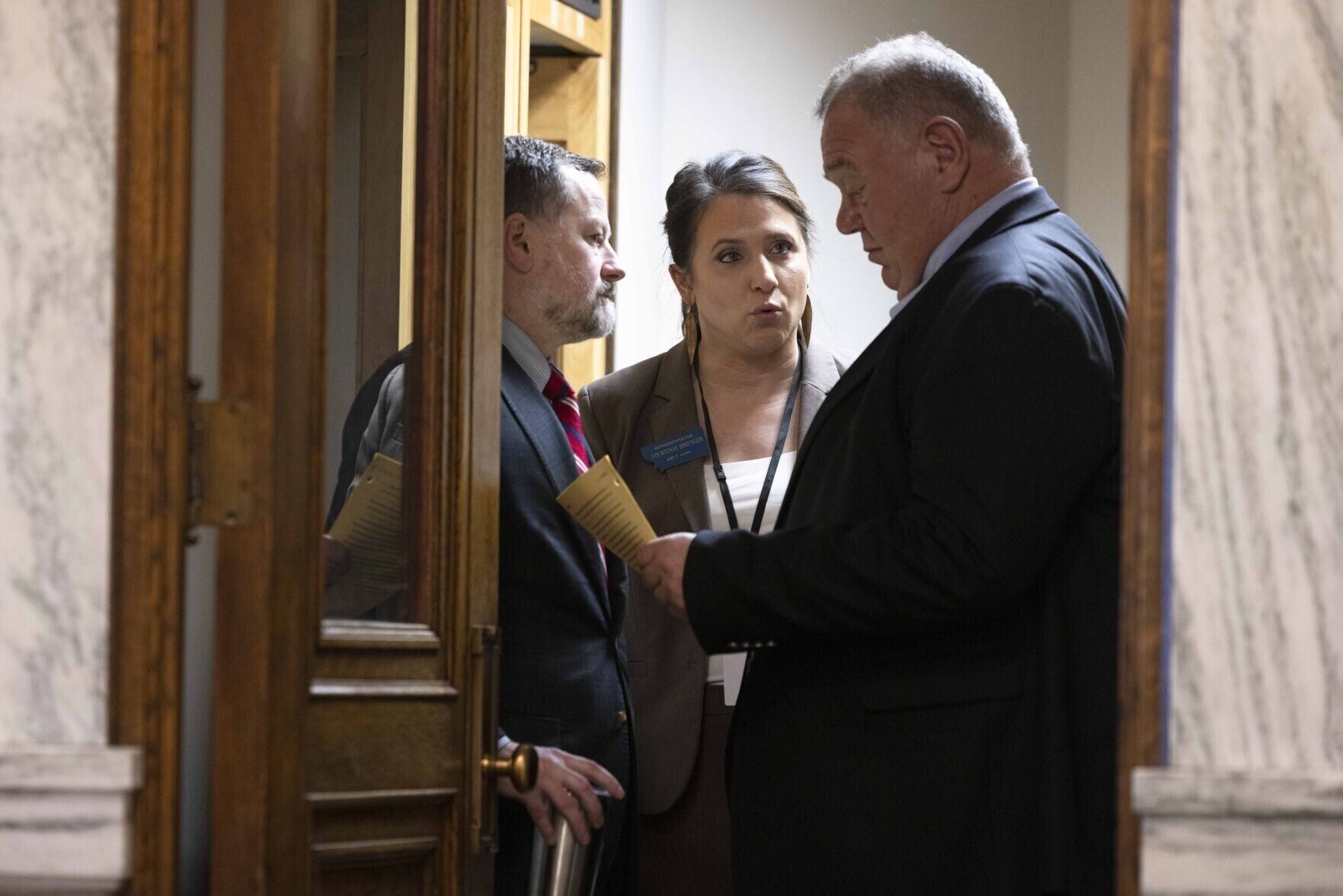
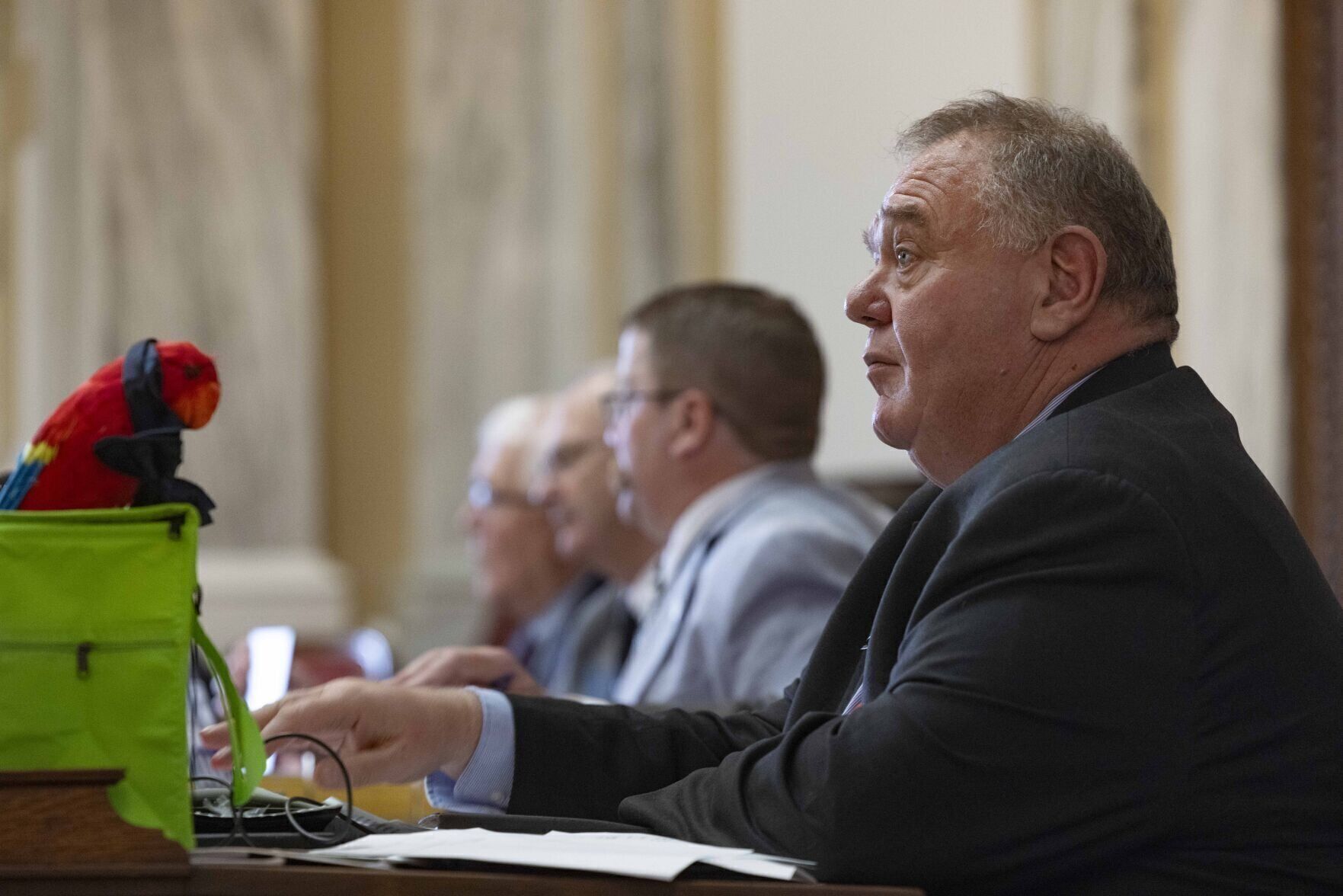
Jones on Monday said he was looking forward to sorting through the noise this week at the Legislative Finance Committee, usually a committee with little fanfare. It was the first time since the often-acrimonious 2025 session ended that lawmakers who had been sparring across the airwaves and internet would sit face to face.
As Nick VanBrown, a Legislative Fiscal Division staffer, walked the group through an analysis of the 2025 Legislature’s financial choices, he seemed to echo Jones' case that the numbers can be sliced in a myriad of ways to show a variety of budget pictures.
Montana’s Constitution requires the governor to sign a balanced two-year budget, but state code also encourages lawmakers to leave money in the bank when possible to safeguard against unexpected economic disruptions.
Current estimates show $311 million left in Montana’s general fund by mid-2027, an amount that GOP hardliners have pointed to in public messaging as irresponsible.
VanBrown acknowledged Tuesday that the current budget’s leftover funds are shrinking relative to the large cushions that became normal in the cycles since the COVID-19 pandemic when the state’s coffers were awash with federal money.
While he cautioned that the state could begin the next legislative session facing a structural imbalance, meaning ongoing general fund expenditures looking forward could outweigh ongoing revenue, he also noted that these forecasts look more akin to pre-pandemic norms.
Despite the hostility in the runup to Tuesday’s meeting, the conversation was largely one-sided.
Jones took the chance to reiterate his defense of the transfers of hundreds of millions of dollars into trust funds as something other than government spending.
Hardline Republican committee members didn't really wade into the debate.
"Sounded like he was just making excuses," Glimm said in a text message afterward. "Spending was definitely up, the governor is vetoing bills because of the excess spending."
The Montana Freedom Caucus, the most formal collection of hardline Republican legislators, in recent days shared the robocall voicemails criticizing Jones over the organization’s social media channels.
Sen. Barry Usher, a Yellowstone County Republican and active member of the state’s Freedom Caucus chapter, would not "confirm or deny" the group had any involvement with the robocalls in a phone interview on Wednesday.
Previous voicemails provided listeners with the wrong phone number to reach Jones, but a fourth robocall voicemail left on a reporter's cell phone on Thursday had been updated with new language and the correct number.
If the robocalls are intended to send him a message ahead of his 2026 campaign for the state Senate, Jones does not seem worried. This week, Republican central committee chairs in the four counties that make up that Senate district published a letter backing the longtime legislator.
"What we are witnessing is not honest debate. It is an intentional effort to discredit a respected rural legislator, weaponizing misinformation to weaken the voice of experienced rural fiscal leadership," the letter states.


Comments ()