
Rolling with the Big Boy: A first peek at America’s most famous iron horse ahead of its transcontinental tour
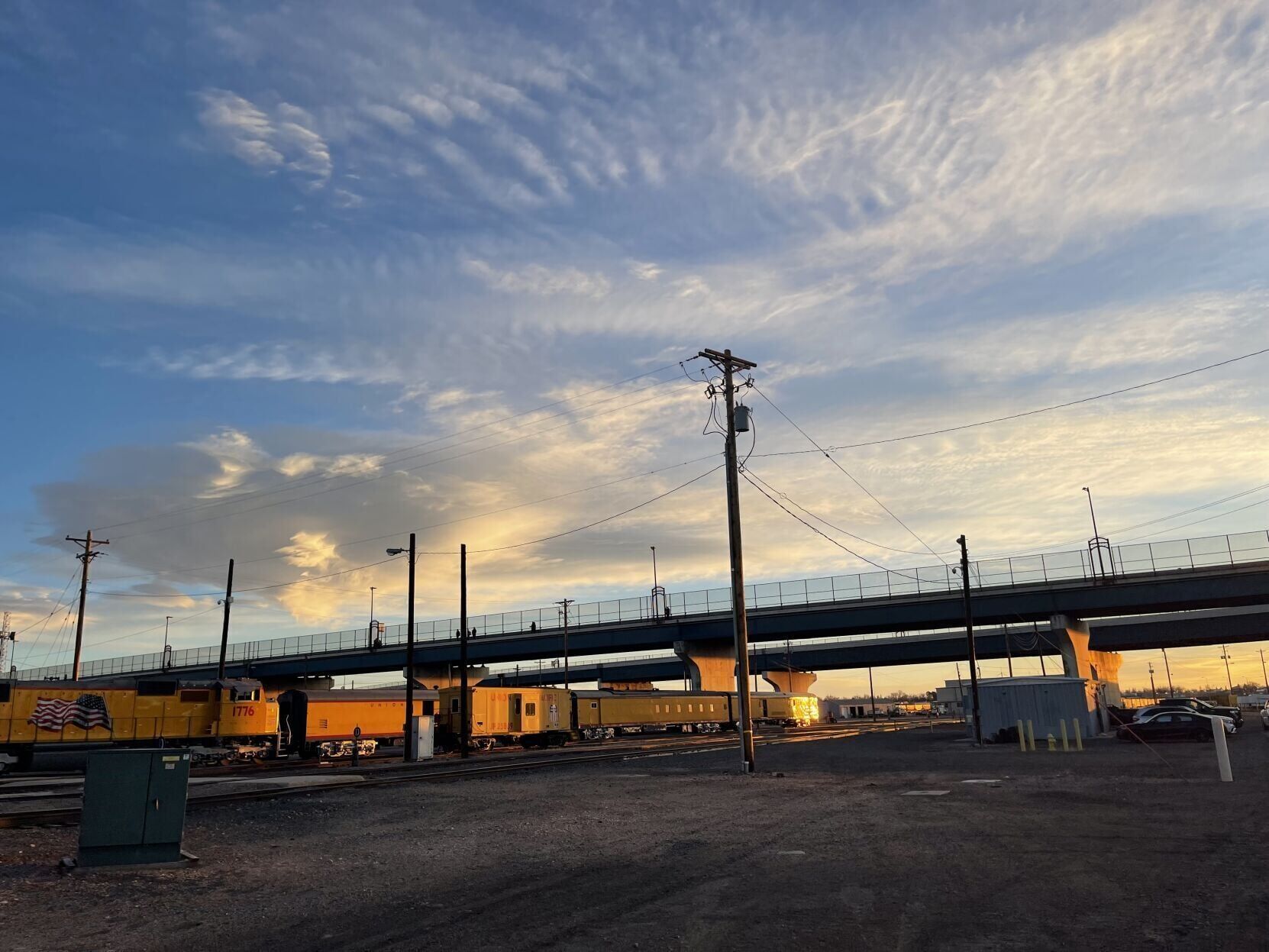
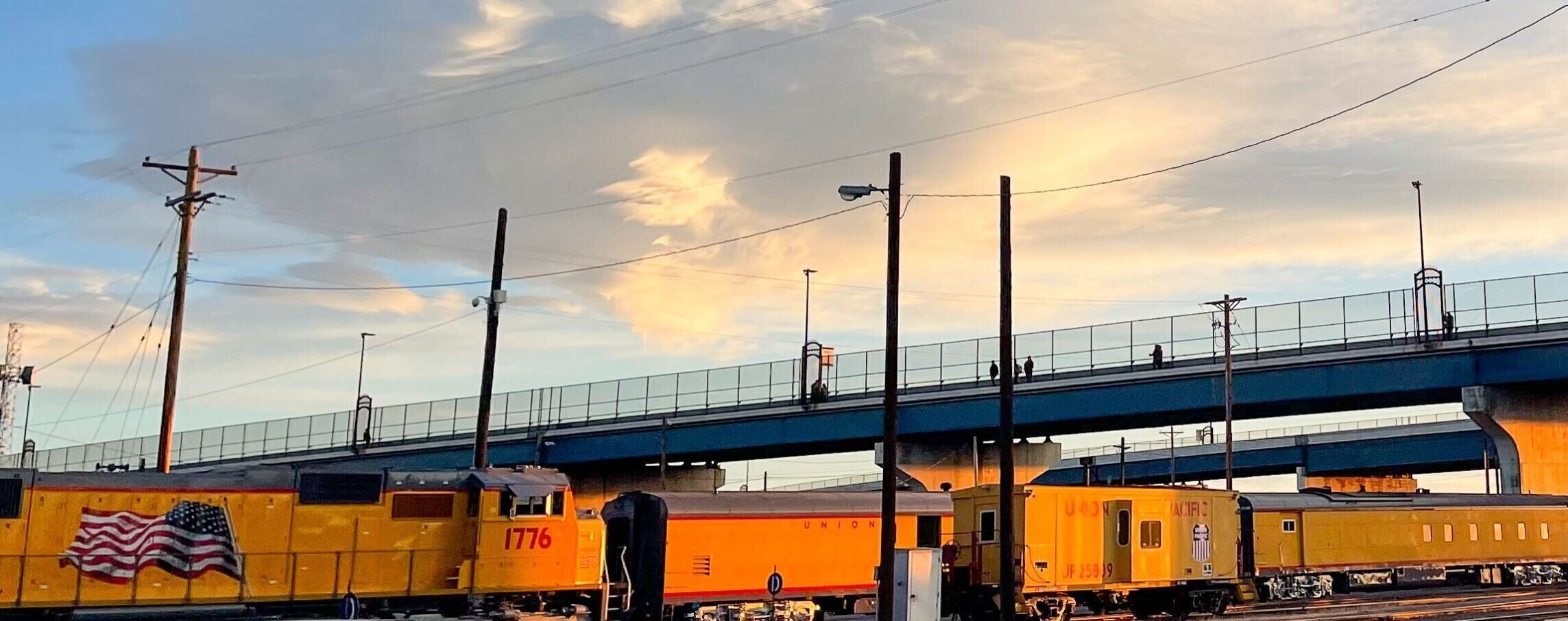
CHEYENNE, Wyo. — A handful of rail fans peered through the fencing from the I-80 bridge into the Union Pacific rail yard in Cheyenne on Sunday. The rising sun backdropped the shadowy figures. Banging and whooshing from the bowels of the Union Pacific steam shop suggested something worth waiting for.
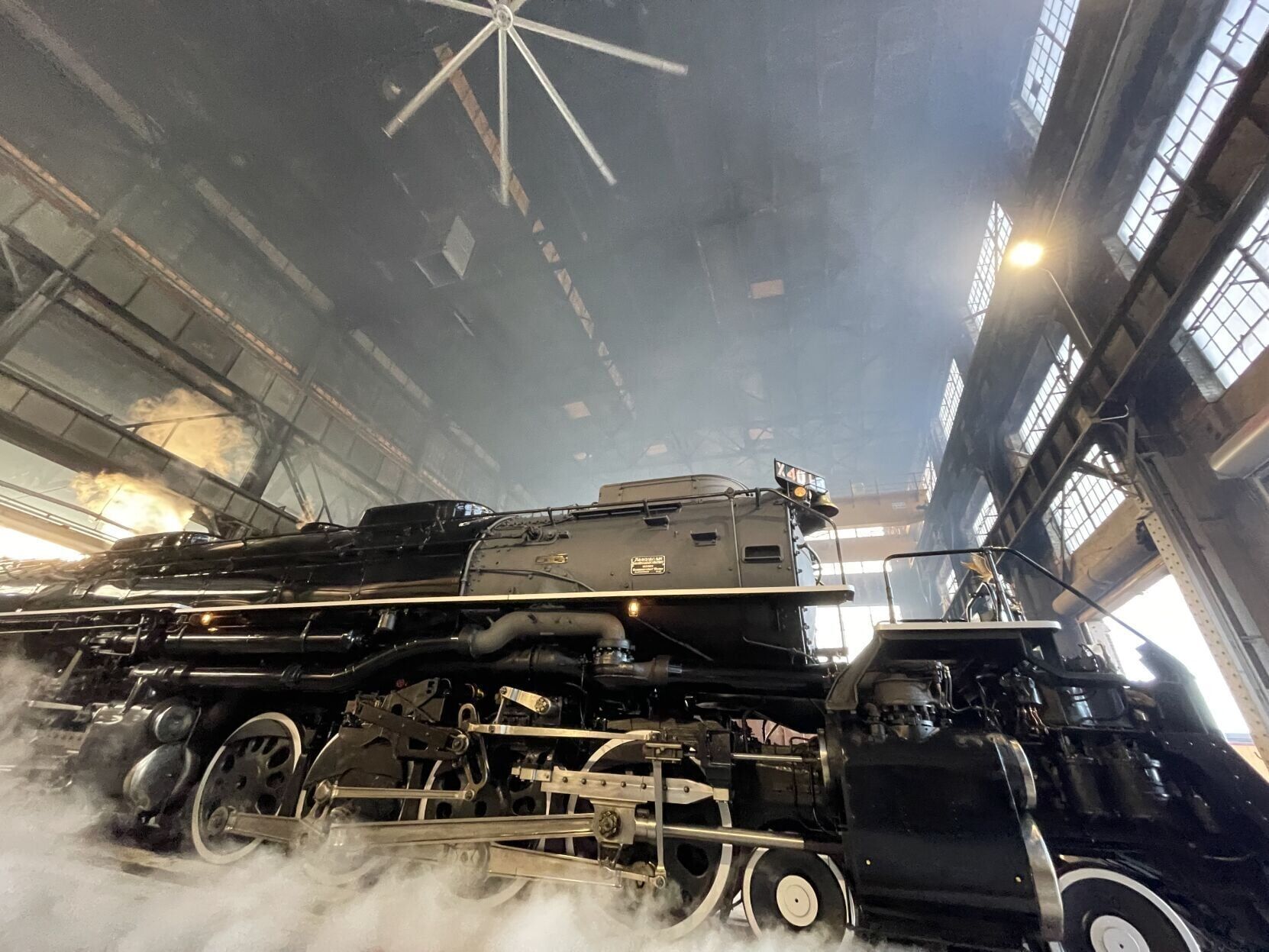
The steam shop is a monolithic brick building as tall as the overpass. The early-morning sun reflecting Big Boy’s “whitewall” silver wheels and matching running boards commemorating a cross-country tour contrasted with the silvery steam clouding the shop and the sleek noir of the locomotive’s clean paint.
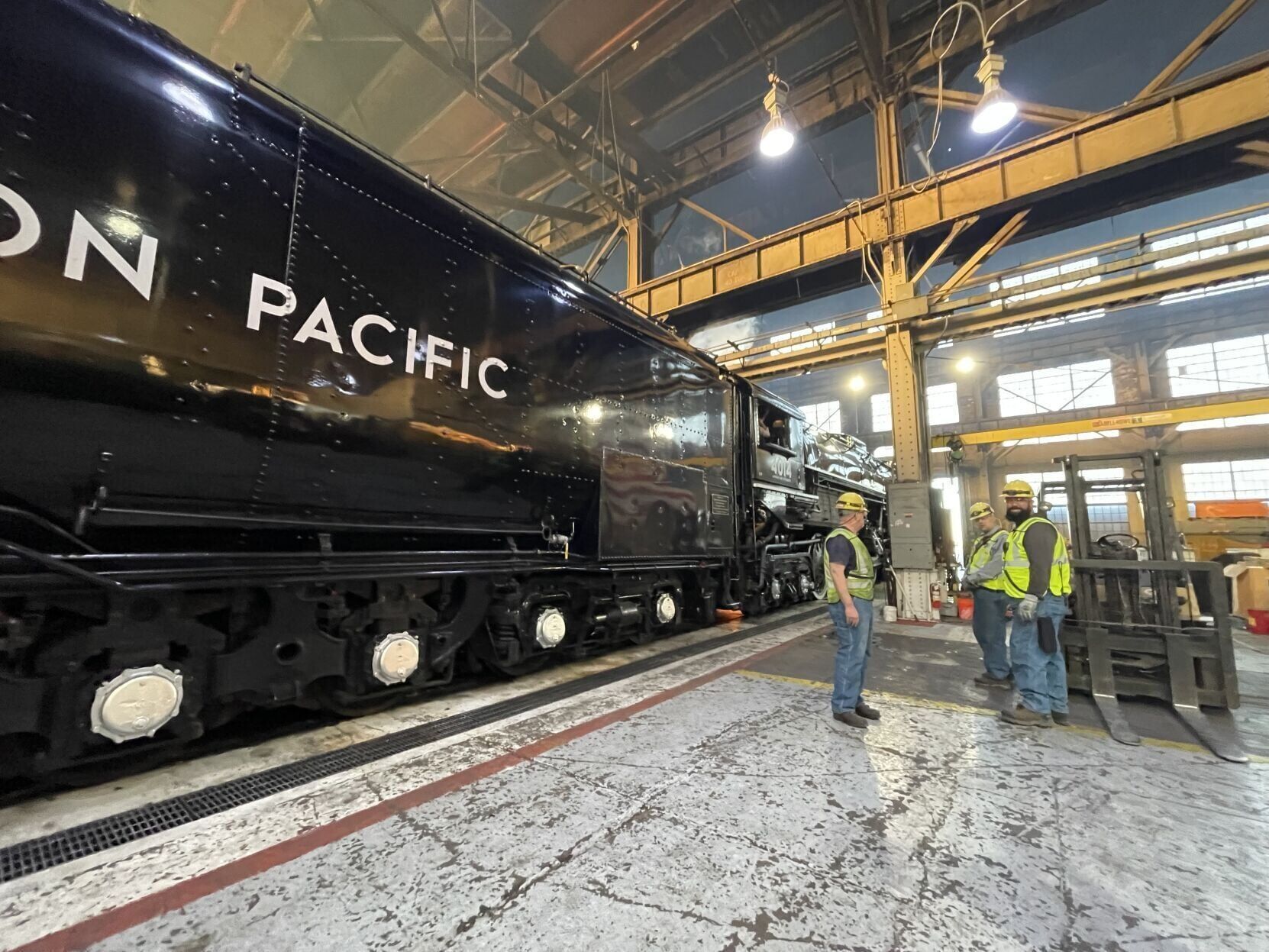
I was the only non-Union Pacific employee inside the steam shop before Big Boy’s moment. I’d driven eight hours from Bozeman to bear witness to this steel relic thrust into the national spotlight before undertaking a trip it never completed while in service.
I wanted to see Big Boy before the crowds and pageantry. In divisive times as these, what is it about this machine that unifies?
I am drawn to the archaic, the old and seemingly irrelevant gaining renewed significance in a way not previously intended. Big Boy, which spent its approximately 20 years of service hauling freight, is reborn a patriotic symbol for the nation’s 250th anniversary.
Unlike a flag or a painting, Big Boy wasn’t drawn or designed with this same symbolism in mind.
Thirty minutes remained before the 1941 steam locomotive, the largest running example of its kind, awakened for its first cross-continental tour, from Wyoming to California and later to Philadelphia, by Independence Day for the United States’ 250th birthday.
Legend is the locomotive’s name originated when an unknown worker chalked “Big Boy” on the smokebox of the first Union Pacific 4-8-8-4 locomotive, acknowledging its immense size. The nickname stuck.
“It would be nice if we used paint, but because it is a steam engine, it gets too hot,” said Mike Jaixen, senior Union Pacific communications manager. “We use chalk instead.”
The heat from the engine can be felt 20 feet away. Jaixen accidentally melted the soles of his shoes in the cab a few years prior.
Big Boys were built by the American Locomotive Company for Union Pacific to haul fast, heavy freight trains across the rugged Wasatch Range between Ogden, Utah, and Cheyenne. The engines could pull 3,600-plus ton loads over steep 1.14% grades, avoiding breaking heavy freight trains into smaller, slower increments for the steep, treacherous climb.
Shop workers and engineers hurried, finishing the final preparations oiling and building steam in Big Boy. The buildup was far from last-minute. The 600-ton iron horse’s immense size requires slow, careful heating, often one day before operation.
A blue tag-out flag hanging from Big Boy’s cab indicates workers are on, under, between or near the engine. A vital safety rule, the flag forbids Big Boy movement. Metal identification tags dangle from the cloth.
Fire flickering and steam spouting from Big Boy’s sides fogged the massive shop, which was lit only by high hanging industrial pendant lights and window-panel filtered sunlight. The jet-black steam engine and matching Union Pacific-branded 25,000-gallon, 14-wheeled water tender felt mythical.
Big Boy’s tender originally held 56,000 pounds of coal before converting to burning oil. A brass eagle is mounted on top of its dual-beam headlight for the 250th anniversary.
Big Boy’s signature Hancock three-chime whistle filled the shop. The blue flag pulled in the cab; the engine backed from the shed’s east entrance.
Big Boy’s face was momentarily occluded by the rising sun exiting the shed. The curtain was up.
Approximately a dozen spectators gathered on the platform at the Cheyenne Depot, despite official notice from Union Pacific of no public access for Big Boy’s launch. The relic station, converted into a museum, was brought back to life by the attending onlookers, although none were passengers.
Only 30 minutes behind schedule, Big Boy waited for a freight train to pass before arriving at the depot.
The old brought the young. Seniors hefting cinder blocks for a step-up, scaling metal fencing for an unobstructed view, matched their children and grandchildren’s wonder.
“There aren’t many of these around anymore,” Cheyenne resident Joe Evans said as he craned over the fencing. His granddaughter Gwen put her phone down when Big Boy chugged in.
The 16-hour round-trip was worth it for Bozeman rail fan Mike Blaufberg, who saw Big Boy once before.
“It’s a big beast,” said Denver resident Lori Schumacher, there with her young son, Letz, who loves trains.
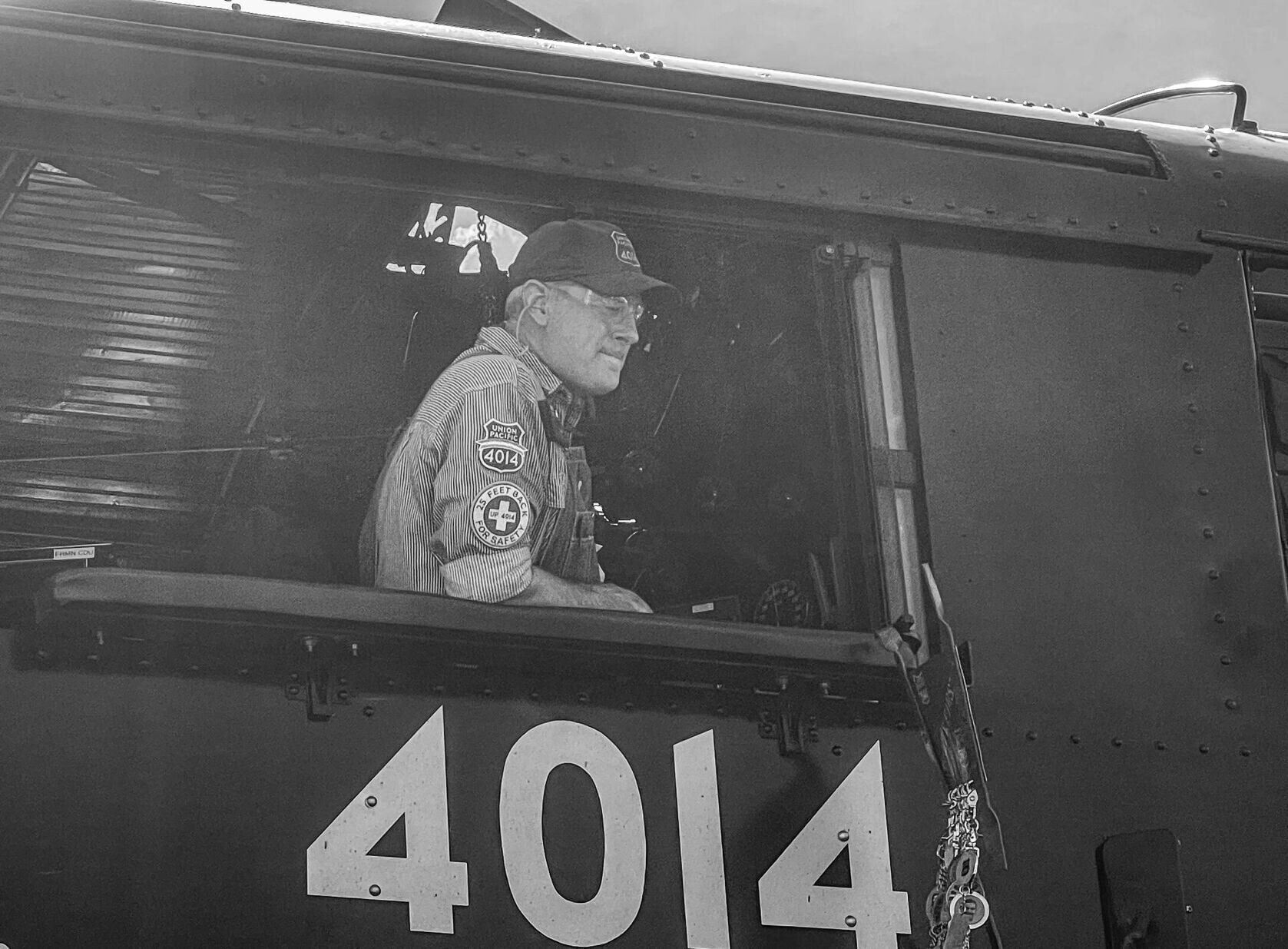
Engineer Ed Dickens, head of the Union Pacific’s steam team from 2010, before the Big Boy’s 2019 restoration, climbed down from the cab.
“Think about the opportunity to run the Big Boy,” Dickens said. “The young kids, they (are) just like me. You can tell I’m excited.”
Dickens personally inspected Big Boy’s route for 40 days, gauging infrastructure along the way.
“America’s railroad infrastructure is heavy duty,” Dickens said, when asked if the East Coast rails can handle a steam locomotive. “That’s a massive, huge heavy rail that can take enormous weight. We’ll take this locomotive wherever our bosses tell us to.”
Dickens denied operating a steam engine is a dying art.
“There’s a lot of young women and men that you see, a lot of interest, tourist railroads running steam locomotives for exhibition, entertainment,” Dickens said. “It’s pretty rare to see (steam) operating on the main line, but it’s not a dying art at all.”
I followed the growing procession of 100 or more vehicles, chasing Big Boy when the locomotive left Cheyanne for Laramie and Medicine Bow.
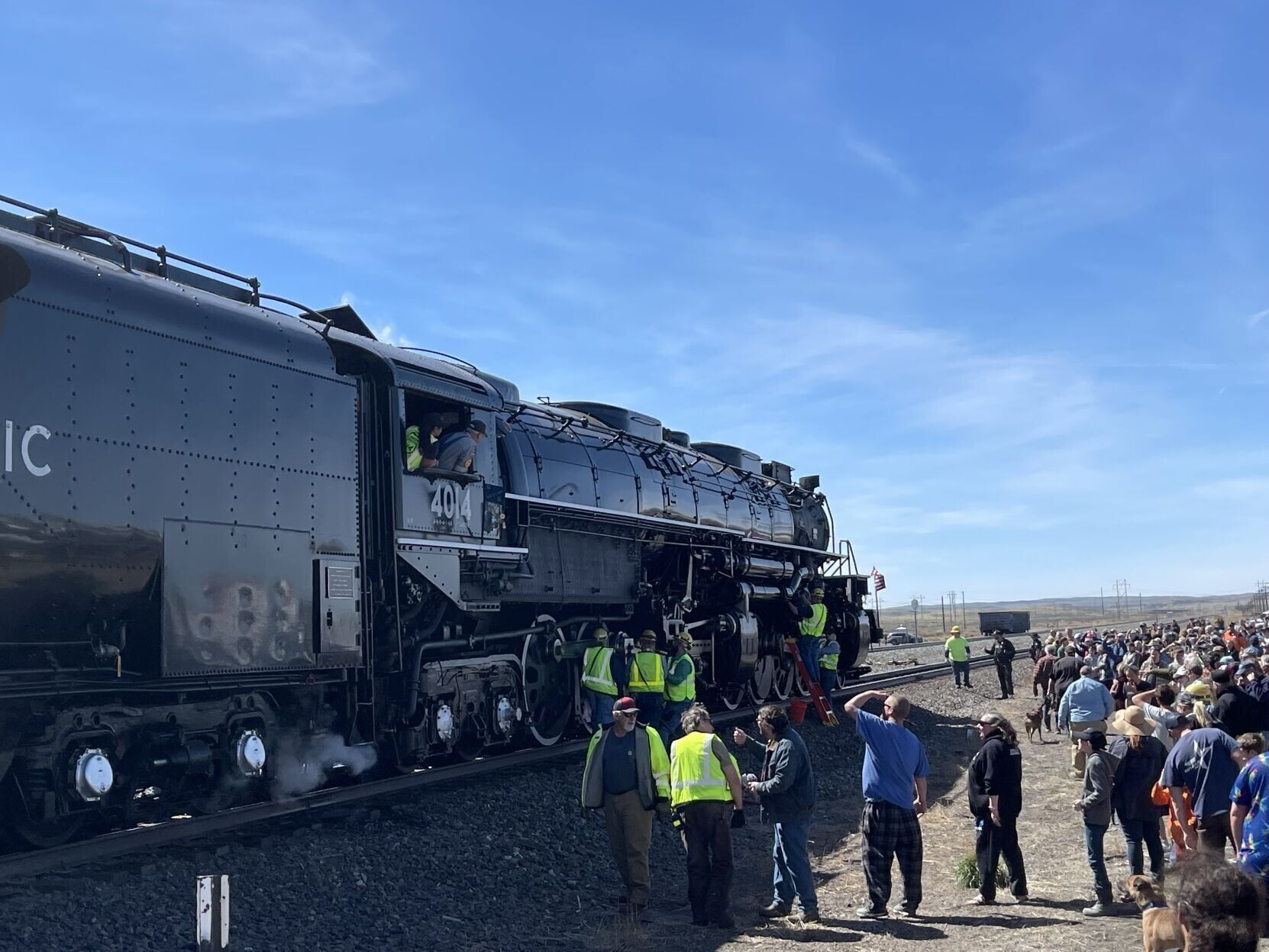
Big boy sped more than 40 mph, making up time. Enthusiasts in vehicles with plates from Colorado and as far as Tennessee and California exited near the tracks for a good vantage point.
They waited for Big Boy to pass, only to speed back onto the highway and continue the chase. There was more than one close call between motorists as 1,000 or more gathered for the engine’s second stop in Laramie.
Spectators easily outnumbered the 245 residents in Medicine Bow, where police kept the too curious from the tracks.
“I was born and raised in New York and that steam locomotive was built (there),” said Cheyenne resident Rusty Smith. Although Smith and Big Boy are from the same state, at 71 Smith is 16 years younger than the locomotive.
Laramie resident Shaun Bullock’s grandfather Ralph was a Big Boy engineer.
“We all think it’s ours,” Bullock said.
Rail fans can track Big Boy’s progress at https://www.up.com/about-us/history/steam/track .


Comments ()