
Silver Bow Mining hopes to conduct mining exploration near Walkerville
Montana DEQ has released a draft environmental assessment for the project
Butte Blackjack made a big splash more than four years ago when the company snagged a license for mining exploration near Walkerville. The company drilled just eight holes.
Blackjack changed its name a year ago to Silver Bow Mining Corp. Now, its SBM Montana LLC hopes to mix surface drilling and underground exploration to characterize roughly the same ore body for possible commercial mining of zinc, silver, gold, lead and copper.
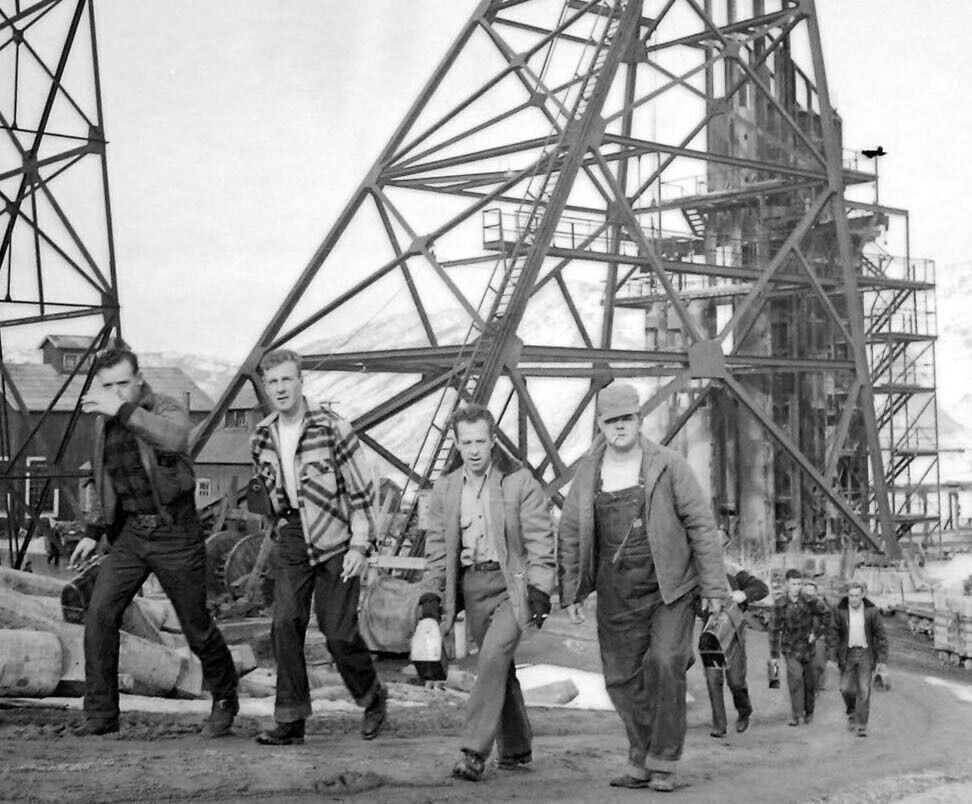
Silver Bow Mining, the parent company, is based in British Columbia but SBM Montana has an office in Butte. Project Manager John Marjerison is a Butte native whose father was an engineer for the Berkeley Pit and whose grandfather labored underground.
The work would occur on private lands already disturbed by historic mining. A January filing with the U.S. Securities and Exchange Commission acknowledges that the results of the exploration would not necessarily support commercial mining and that Silver Bow Mining has no history of mineral production.
Yet Travis Naugle, chairman and CEO of Silver Bow Mining, sounded optimistic about the company’s prospects in a June news release.
“We believe that Silver Bow Mining represents a unique opportunity to strengthen America’s critical mineral supply chains while unlocking remaining value from one of the highest-grade silver equivalent deposits in one of the world’s most prolific mining districts,” he said at the time.
A company financial filing reports that Naugle is a licensed professional engineer in Montana, has an MBA from the University of Chicago and a bachelor’s degree in mining engineering from Montana Tech.
The Montana Department of Environmental Quality offered details about the company’s exploration plans in a recently released draft environmental assessment for the proposed project. SBM submitted an exploration license amendment application and supplemental documents to DEQ in December.
DEQ will accept public comments on the draft assessment through March 2.
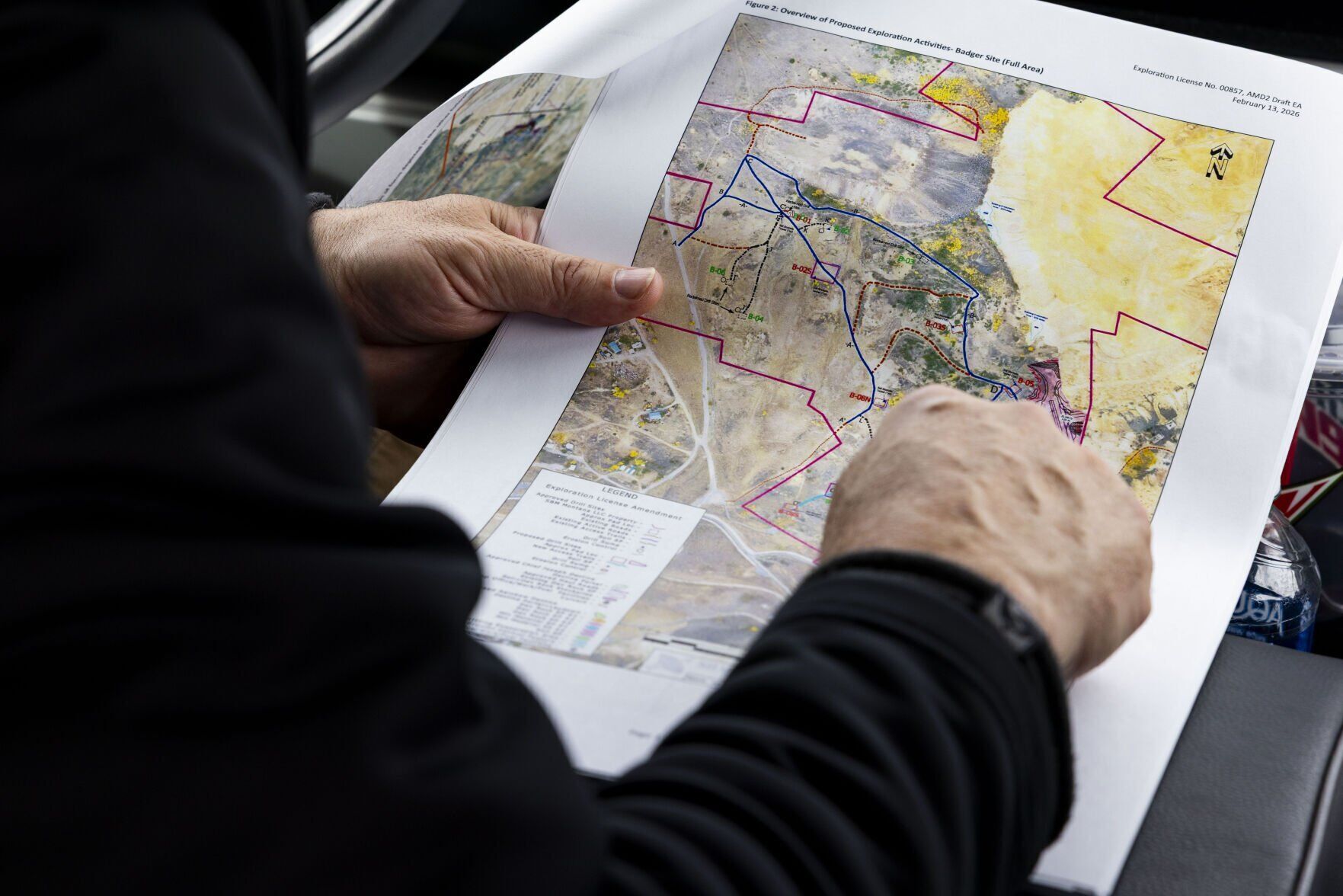
The agency’s review reports that up to seven new drill pads would be constructed. Four to 10 holes would be drilled per pad, with a total of up to 53 drill holes and a maximum drill depth of 7,000 feet.
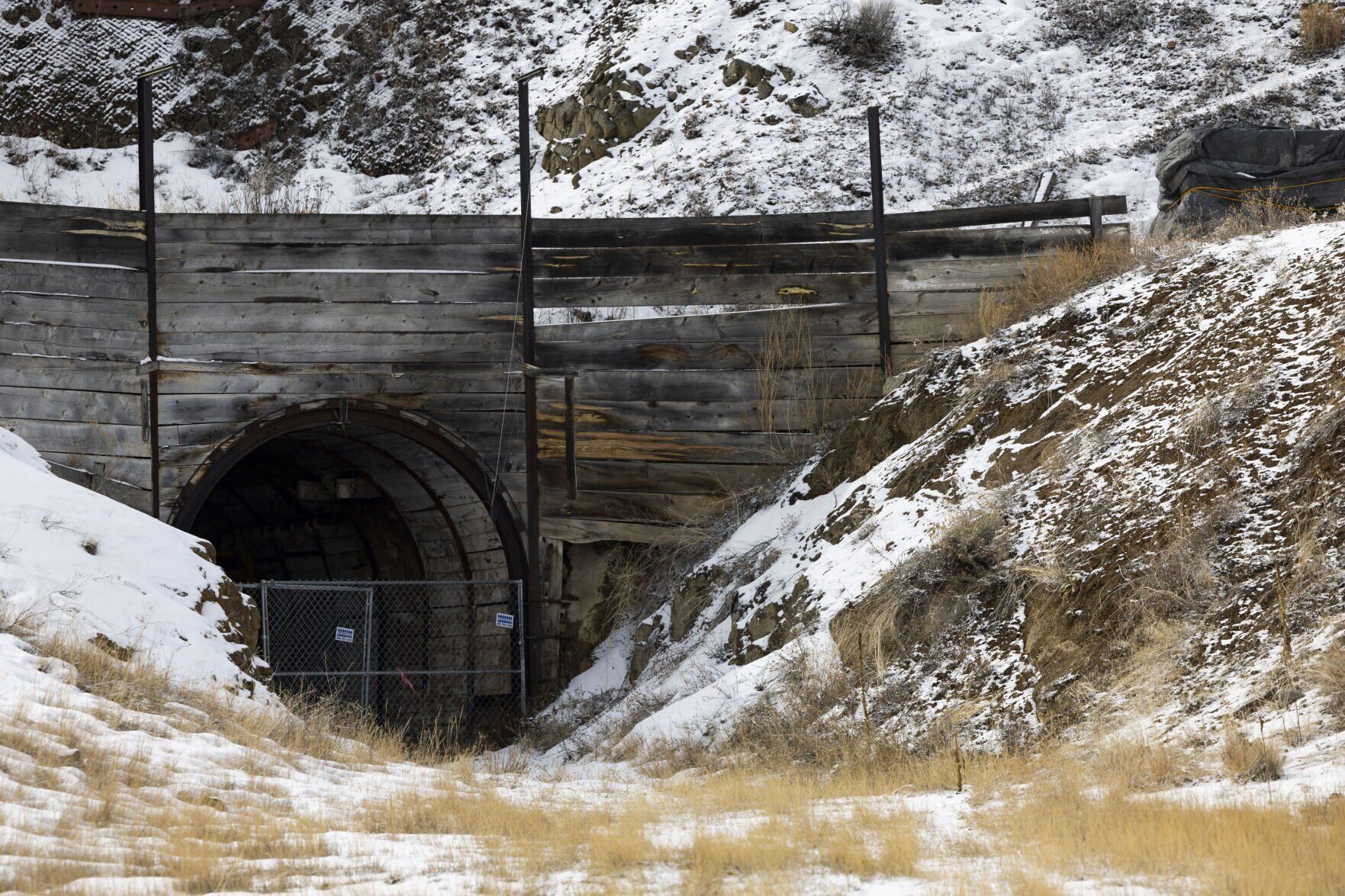
Underground operations would include the excavation of one new portal, the Rainbow Decline, and its sloping underground tunnel would travel about 6,000 feet laterally to connect with the Lexington Mine tunnel.
Excavation material from the decline would be stored in five waste rock stockpiles with a cumulative volume of up to 150,000 cubic yards.
Up to 10,000 tons of ore would be stockpiled for bulk metallurgical testing. DEQ said Silver Bow Mining expects to complete the exploration work no later than Dec. 31, 2029, and to finish reclamation within two years of that date.
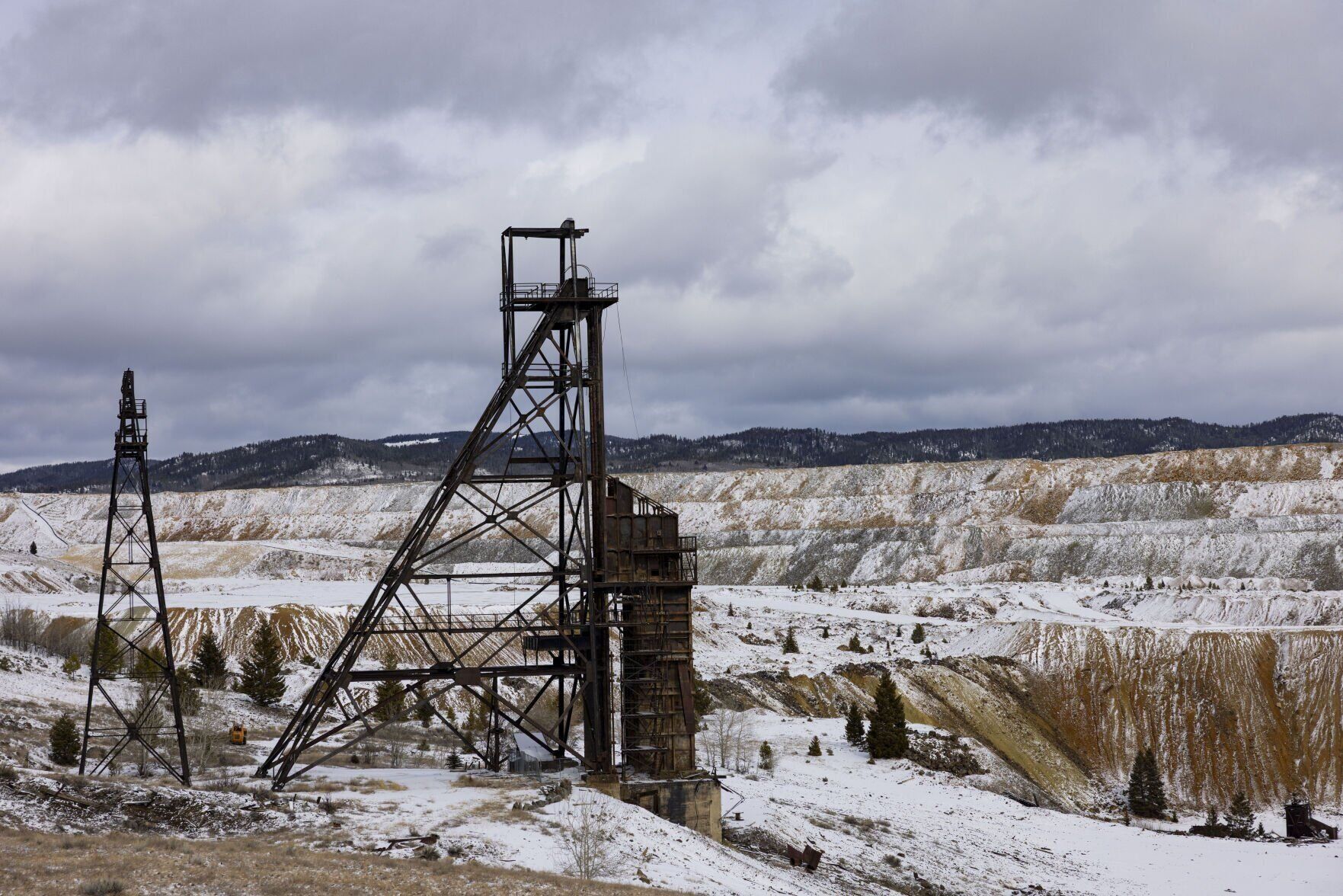
The Missoula drill site would be located north of Missoula Avenue and Center Street, east of 5th street, south of Transit Street, and west of North B Street and North Montana Street. The Badger drill sites would be located north of Badger Road, east of Seraph Point and east of North Main Street, on private lands. The Rainbow Decline portal and associated waste rock stockpiles portal would also be in the same area as the Badger drill sites.
“These disturbances would be located near urban residential areas and visible from various places in the surrounding neighborhoods in Walkerville and Butte,” the environmental assessment reports.
“Sources of sound could include the use of explosives, heavy equipment operation, construction activities and transport related to the proposed action,” the assessment says. “The applicant proposes to perform day shift drilling activities up to 12 hours when the drilling is located within 300 feet of a residential area.”
DEQ’s analysis frequently notes that the exploration would occur on ground previously disturbed by mining. About 12 acres of such ground would be affected by the exploration work, the agency said.
The drilling activity would require water or some sort of drilling fluid to cool the drill bit, to lubricate the advancing hole and remove cuttings from the bit face. SBM estimates it would use up to 15,000 gallons of water per day, “which would represent a new demand for the municipal system.”
The company said it would install equipment to prevent backflow contamination of municipal water, something that happened last summer in Butte because of a mishap at Montana Resources.
J. P. Gallagher, chief executive of Butte-Silver Bow County, said Monday that Silver Bow Mining has communicated about the company’s exploration plans, beginning with this proposed exploratory phase at the Badger State and Missoula mine sites.
“We understand that the draft environmental assessment by the Montana Department of Environmental Quality is part of a standard and necessary review process for any exploration activity,” Gallagher said.
“While the proposal appears similar in scope to previous exploration concepts advanced by Butte Blackjack, our focus remains on ensuring that any activity in our community is conducted transparently, responsibly and in full compliance with modern environmental regulations and permitting requirements.”
Gallagher noted that Butte-Silver Bow’s long history with mining has included economic benefits as well as lasting community impacts.
“As such, we are supportive of a thorough and science-based review process,” he said. “We believe modern regulation and permitting frameworks are designed to protect public health, water quality and the environment. However, Silver Bow Mining will still be expected to complete a significant amount of due diligence.
“We will continue to monitor the process closely and engage with regulators, stakeholders and the public to ensure that any potential development aligns with the long-term interests, safety and environmental stewardship of our community,” Gallagher said.
In a filing with the SEC, Silver Bow Mining said it owns about 3,347 acres in patented mineral claims in Silver Bow County.
“Our primary mineral claim property is called the ‘Rainbow Block,’ which is composed of approximately 878 acres of mineral rights, benefiting from over 100 years of exploration, mining, and metallurgical data. In addition to the Rainbow Block, we have approximately 2,469 acres of mineral rights in Silver Bow County, represented by the Marget Ann Block, the Goldsmith Block, the Travona Block and the Emma Block,” the company reported.
The environmental assessment of the proposed exploration does not reference the underground mining that might follow if the exploration yields positive results.
In the SEC filing, under standard “risk factor” disclosures to potential investors, Silver Bow Mining acknowledged, “We have no operating cash flow, a history of losses and we anticipate having no operating cash flow until one of our contemplated projects comes into production, which may or may not occur.”
DEQ said it prepared the draft environmental assessment to analyze potential impacts from the proposed Silver Bow Mining project. The agency said it will accept public comment until 11:59 p.m. on March 2.
To comment or view the draft assessment, go to deq.mt.gov/News/publiccomment-folder/RainbowBlock021326


Comments ()