
Silver mining town's 1920s history being resurrected in East Pioneer Mountains
No church. No saloon. No single women, aside from the schoolmarm.
One miner’s letter to his wife bemoaned the dearth of activities apart from digging ore or milling it.
“There is nothing to do here but lay around and it sure gets tiresome,” wrote Harry Renz in 1922.
Renz wrote from Coolidge. The town was associated with the Elkhorn silver mine in the East Pioneer Mountains and the mine’s primary champion, William R. Allen.
Allen, born in 1871 at French Gulch, a mining and logging settlement near Anaconda, became an entrepreneur with a memorably gregarious style that swayed some and left others wondering about his motives.
Ciara Pares Kempf — a history researcher, writer and genealogist — has been researching the history of Elkhorn-Coolidge for the U.S. Forest Service, which owns the property, and the nonprofit Big Hole Watershed Committee, which has helped shepherd reclamation work there.
“Was Allen walking in the footsteps of men like W. A. Clark and Marcus Daly and some of the other Copper Kings, or trying to use his influence in politics to fleece shareholders?” Pares Kempf asked rhetorically during a recent interview. “Or was he actually naïve and sort of counted his chickens before they hatched.”
Pares Kempf said her research to date suggests Allen, a onetime lieutenant governor in Montana, was a gung-ho businessman who was encouraged to develop Elkhorn-Coolidge by reputable men experienced in discerning a mine’s potential.
They might have overestimated the isolated site’s promise, she said, or the mine’s ultimate demise might have reflected a series of setbacks beyond Allen’s control, including a disastrous flood in 1927 and the Great Depression.
Roughly a century later, visitors still flock to what is now the Elkhorn-Coolidge ghost town in the Beaverhead-Deerlodge National Forest. The site is about 25 miles from Wise River along the Pioneer Mountains Scenic Byway, which is closed in winter.
Anecdotal reports suggest visitors enjoy their time at the site and often return. That seems to be true even though most of the site’s buildings have collapsed and there’s little in the way of information onsite about Elkhorn-Coolidge’s colorful if comparatively short-lived history.
Pares Kempf has worked with Ayme Swartz, forest archaeologist for the Beaverhead-Deerlodge National Forest, to fill that hole. Pares Kempf presented an overview in November to the Big Hole Watershed Committee, which has been active in efforts to address lingering mining pollution at the Elkhorn-Coolidge site.
“Ayme and I have been working on developing this new interpretive plan,” Pares Kempf said. “Right now, when you go up there, you see a whole bunch of piles of stuff, right? Garbage, broken-down buildings. There's very little standing, unfortunately.
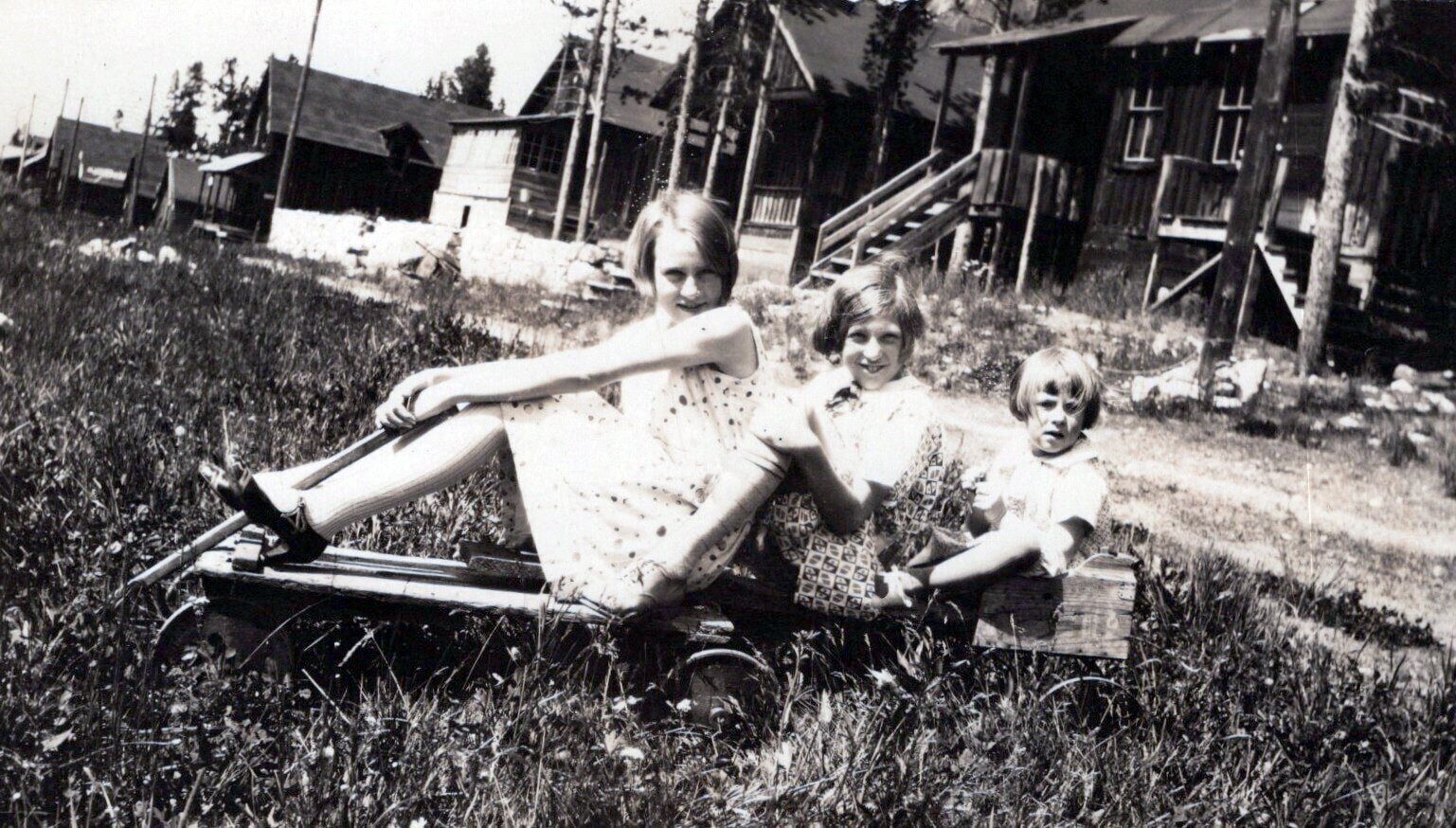
“We're trying to give everyone a perspective on what it was actually like to live there, to be in those shoes,” she added. “What we’ve developed, and what we're hoping to put into place, is a 50-site walking tour, where you'll be able to walk through town and get pictures of what this building actually looked like, who actually lived there and the kinds of activities that were going on when it was a running town.”
The lack of intact buildings has been attributed to harsh winter weather and heavy snowloads at an elevation of more than 7,000 feet, as well as to haphazard wood-frame construction in some instances, a period of salvaging and cases of looting.
“Almost all the outhouses in Coolidge are kicked over,” Pares Kempf said. “That’s not just because of weather. That’s because people were searching for bottles underneath. So, Coolidge has really been abused through the years.”
Coolidge’s fullest flowering was short lived.
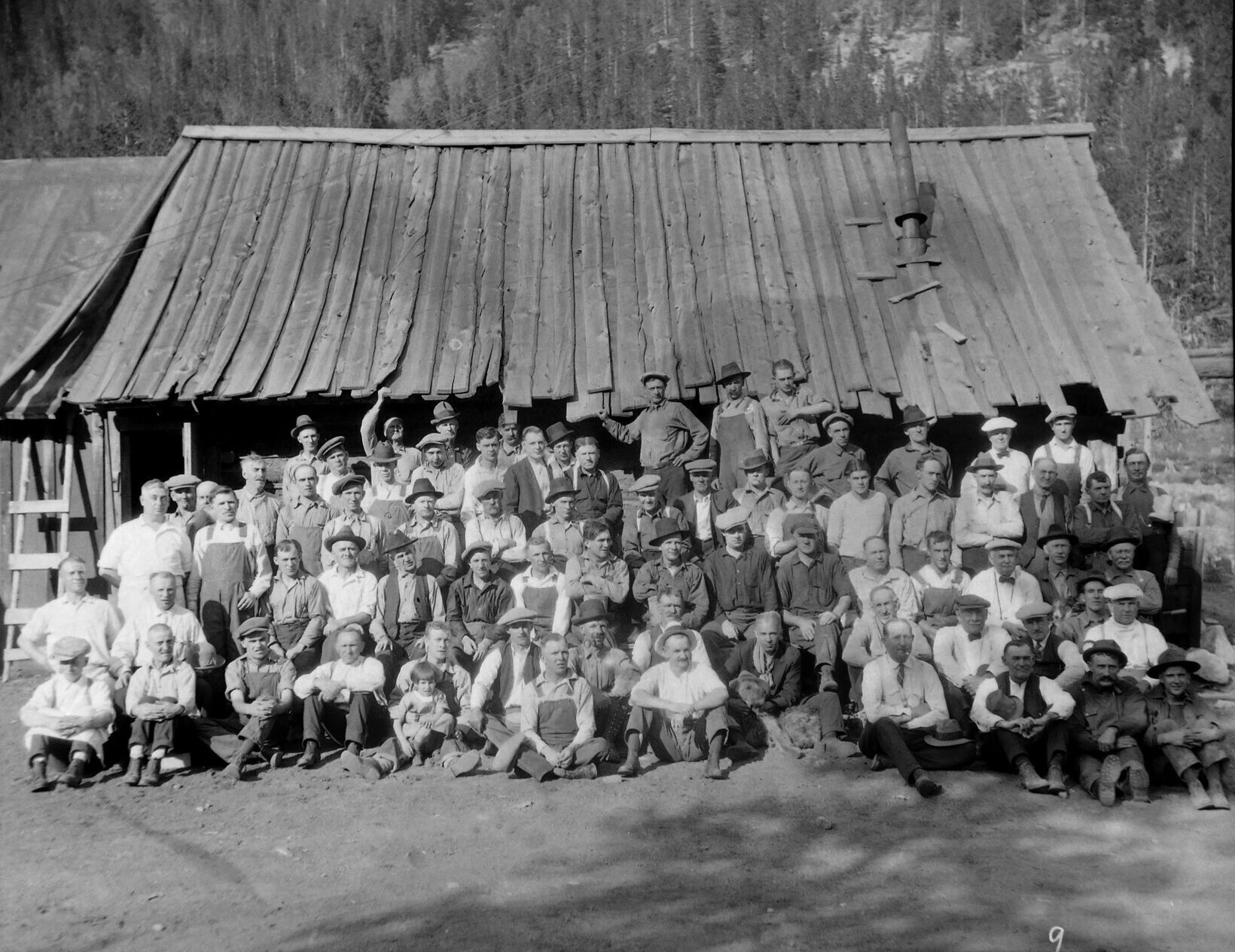
“Its heyday lasted only from 1921 to 1929, at best, with a maximum of 300 people at one time,” Pares Kempf said.
Meanwhile, although some might have questioned Allen’s motives, he certainly seemed bullish about developing the Elkhorn mine.
Among other things, he built an ambitious narrow-gauge railroad from Divide to Wise River and then on up to Elkhorn-Coolidge to haul ore and supplies. Portions of the railbed, still visible across the Big Hole River from Montana 43, appear to have been hewn out of solid rock.
On June 14, 1927, heavy snowmelt and swollen creeks led to the failure of the Pattengail Dam. The dam, built in 1903 by Montana Power Co. and located on a tributary of the Wise River, stored 12,000-acre feet of water, which created a reservoir more than two miles long. Following the dam’s failure, the Wise River flooded the valley, causing at least four deaths and significant damage — including damage to miles of the railroad tracks serving Elkhorn-Coolidge.
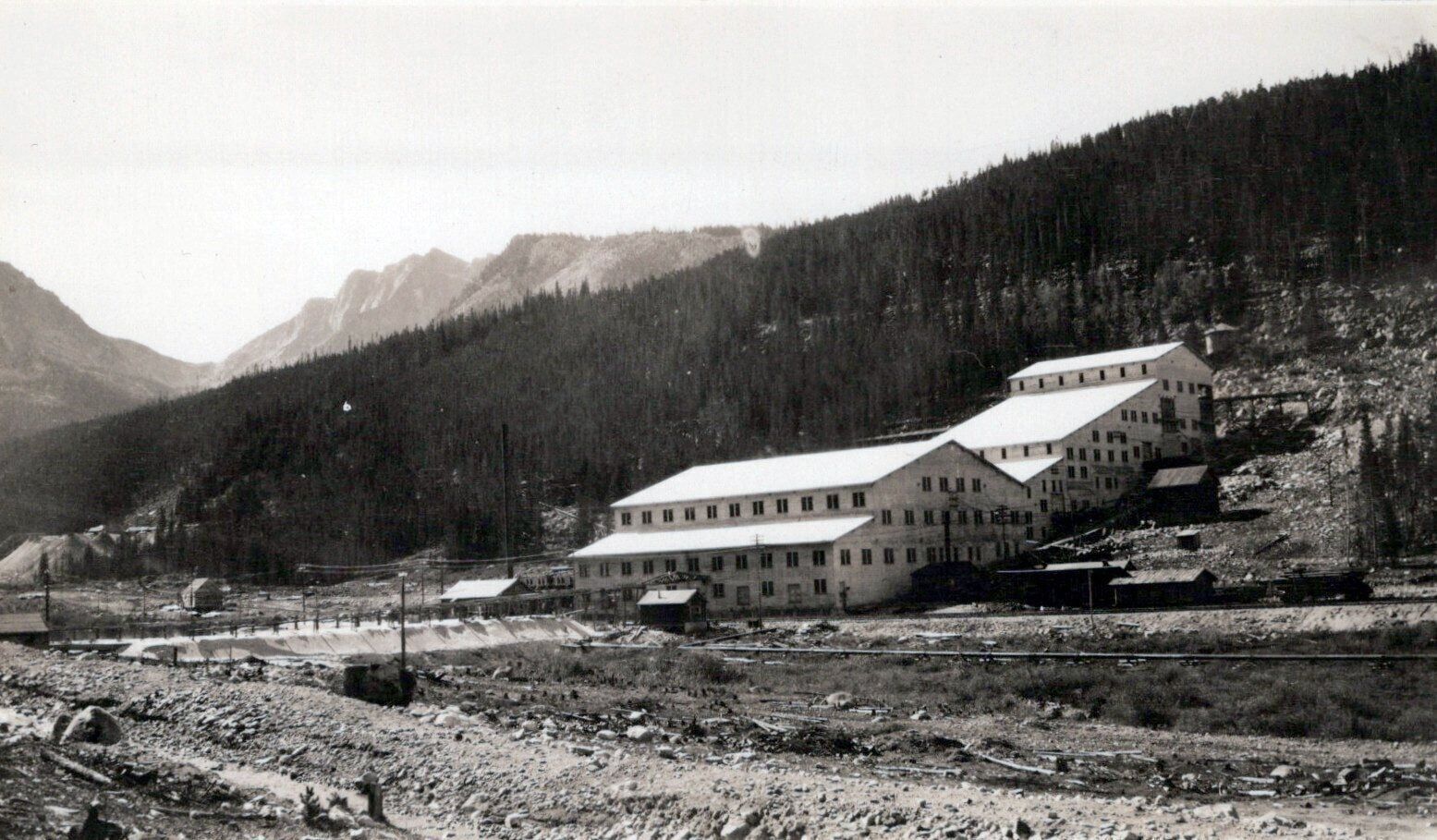
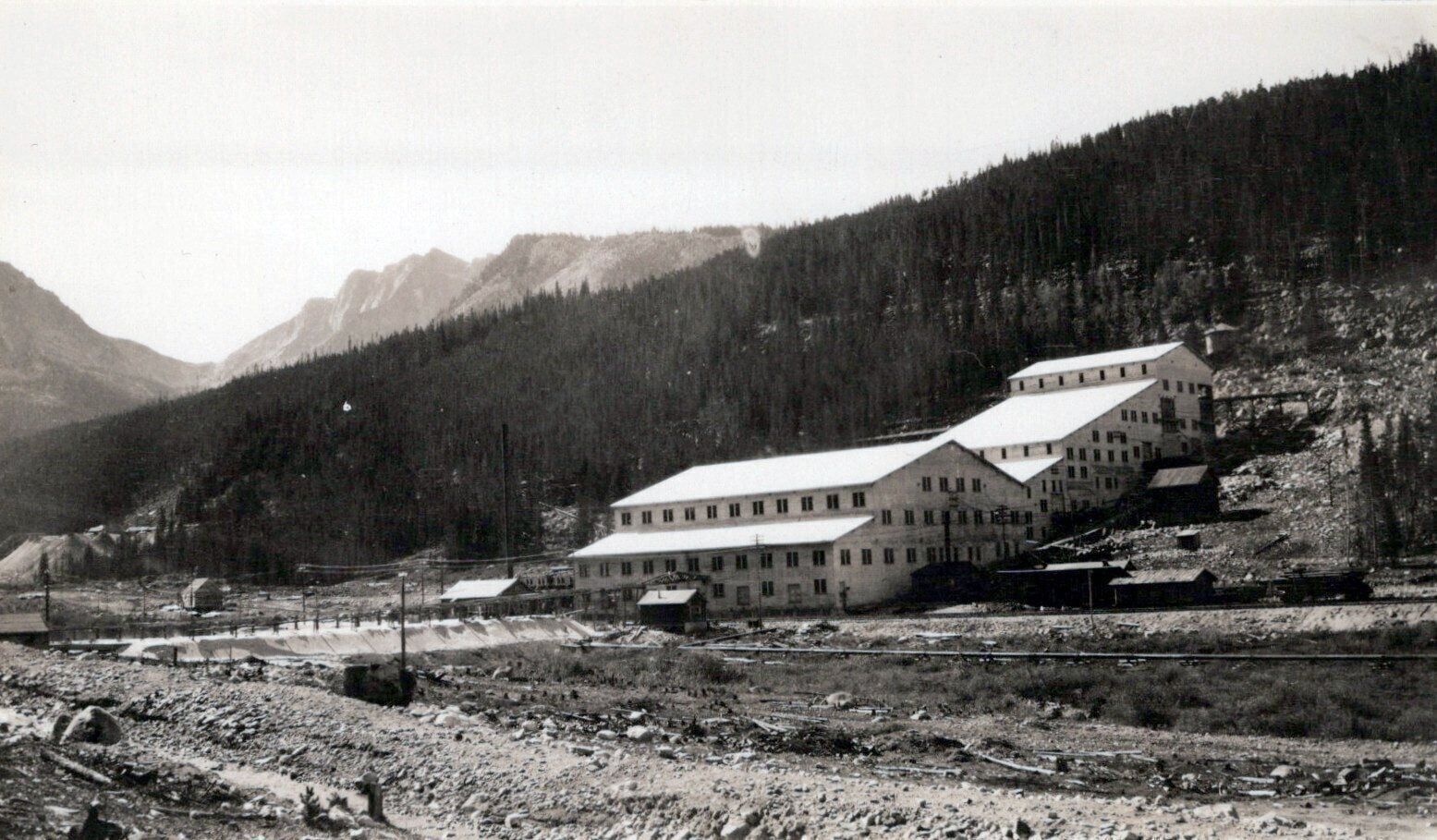
Allen’s Boston & Montana Development Company built a massive mill at the site, offering more evidence of his apparent commitment to the venture.
“The mill was equipped with steam heat, a sprinkler fire protection system and 52 electric motors used to run the mill’s crushers, separators, dryers and other equipment for its oil flotation process,” according to a National Register of Historic Places inventory.
“The lower portion of the mill was destroyed by salvage operations during the late 1970s and the remaining upper half was removed in 2000,” according to the National Register of Historic Places. “As late as 1946, the mill was still in excellent condition, with the machinery in place and ready to resume production.”
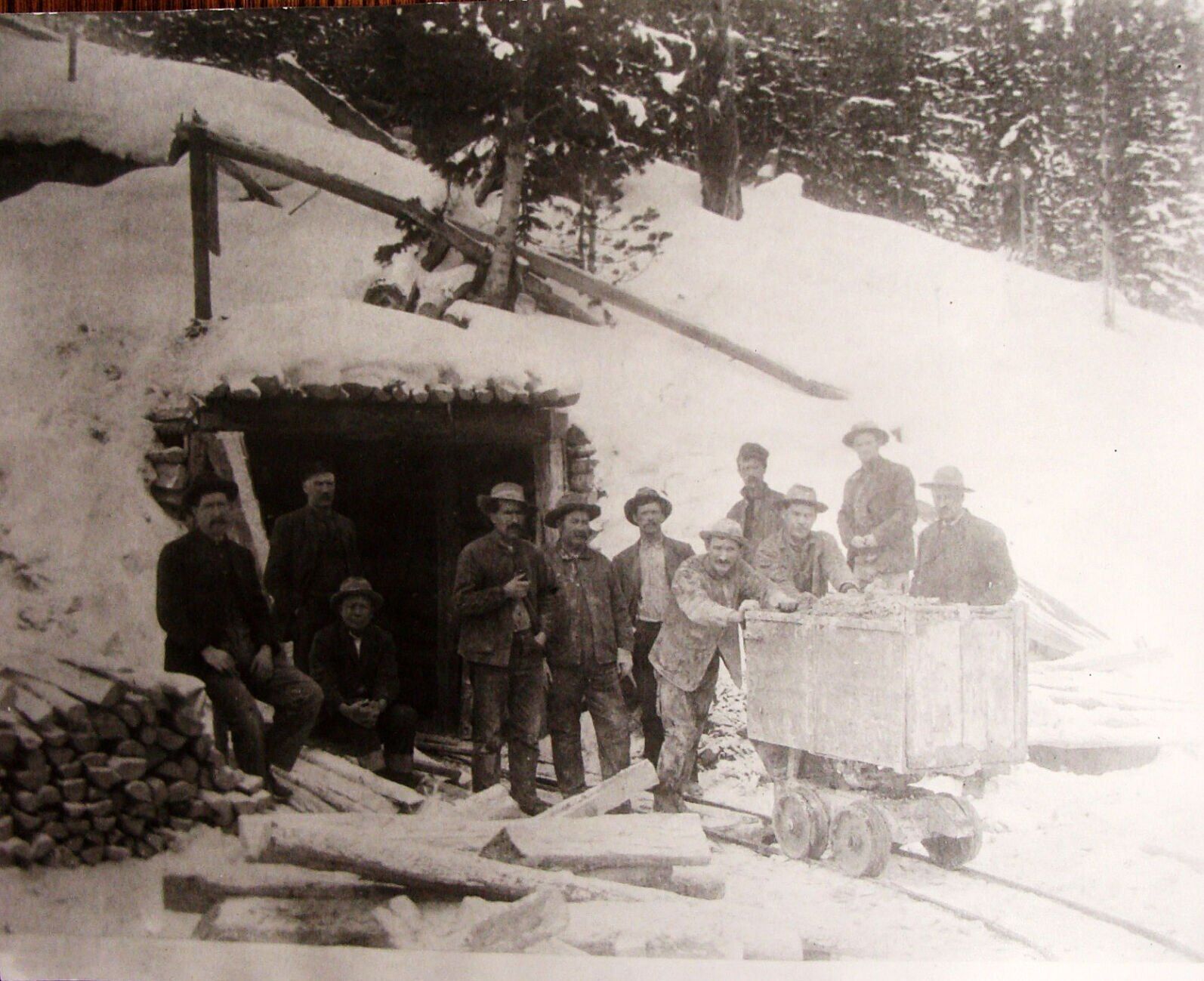
The Elkhorn portion of the site has been off limits to visitors because of instability in what little remains of the mill and heavy metals contamination that lingers from mine tailings.
Reclamation continues.
Cat McRae, a spokeswoman for the Beaverhead-Deerlodge National Forest, provided an update.
"An investigation completed in 2022 identified approximately 45,000 cubic yards of mill tailings and waste rock with elevated metal concentrations," McRae said. "Building on that analysis, we are now developing cost estimates and comparing options for removing that material."
She said current plans suggest the material would be transported to an existing repository about 2.5 miles north of the mine.
"There are also significant physical safety hazards that must be addressed," McRae said. "The 1,000-level adit has an unstable slope and rockfall concerns above the portal. In addition, the mill structure is potentially unstable and not safe for visitors or workers to be near. The mine and mill areas are currently closed to the public for health and safety reasons. The nearby townsite of Coolidge remains open to visitors during the summer season."
She said the goal is to reopen the mine and mill areas once health and safety concerns are addressed.
"The timing of reclamation work and reopening will depend on available funding and will likely occur in phases," McRae said. "A first step common to all options is stabilizing the mill structure so it is safe for both the public and workers, including those who would remove tailings located around and beneath the structure.
"Later phases would address the unstable adit area and the removal of materials that pose health concerns. This work is also expected to improve conditions in Elkhorn Creek," she added.
Pares Kempf believes an interpretive amble through Elkhorn-Coolidge will enrich the experience of visitors.
“I spent a lot of time up there this past summer, working maps on the ground,” Pares Kempf said. “I would talk to anybody who came through. Lots of people go up to visit, and almost none of those visitors know why. People who’ve been coming for 20 years, who take every guest they have in Montana up to Coolidge, don’t know anything at all about it.”
She said Swartz and the Big Hole Watershed Committee asked her to pitch in.
Pedro Marques, executive director of the Big Hole Watershed Committee, said the organization became involved initially in 2020 after hearing from Jim Olsen, a fisheries biologist for Montana Fish, Wildlife & Parks, that acid mine drainage from the Elkhorn mine was affecting the fishery in Elkhorn Creek, a tributary to Wise River and, ultimately, the Big Hole River.
The Watershed Committee, in a partnership agreement with the Forest Service, has been site managers since 2021.
“Although many of the site’s structures have collapsed, are in ruins or have disappeared altogether, much of the original historic character of the district remains,” the National Register inventory reports.
“Even though the structural remains within the Elkhorn-Coolidge historic district are, with a few exceptions, badly deteriorated, the site is perhaps the most intact and complete mine and mining camp site remaining in Montana,” the inventory suggests.
Pares Kempf said she hopes installation of part of the interpretive walking tour will begin in late summer. Eventually, signage will likely be split evenly between the town of Coolidge and the Elkhorn mine site.
“We are hoping to have the signs in place for at least the residential side by the end of summer, but that is a flexible deadline,” she said.


Comments ()