
State lawyers ask Montana judge to dismiss lawsuit against sex-ed notification laws
State attorneys said in court on Thursday that advocacy groups are on a “wild goose chase” to find examples of students, parents or educators who have been harmed by two laws affecting how sexual education and gender identity can be taught in Montana public schools.
Lawyers for the ACLU of Montana, meanwhile, say the lawsuit filed in Lewis and Clark County District Court includes clear examples of the chilling effect caused by Senate Bill 99 and House Bill 471, passed by the 2021 and 2025 Montana Legislatures, respectively, and signed into law by Republican Gov. Greg Gianforte.
Together, the duo of legislation requires parents be notified at least five days before any instruction that could veer into sexuality or gender. For content having to do with gender identity, gender expression or sexual orientation, parental permission must be obtained ahead of time; for traditional sex-ed curriculum, parents can opt their kids out of those lessons.
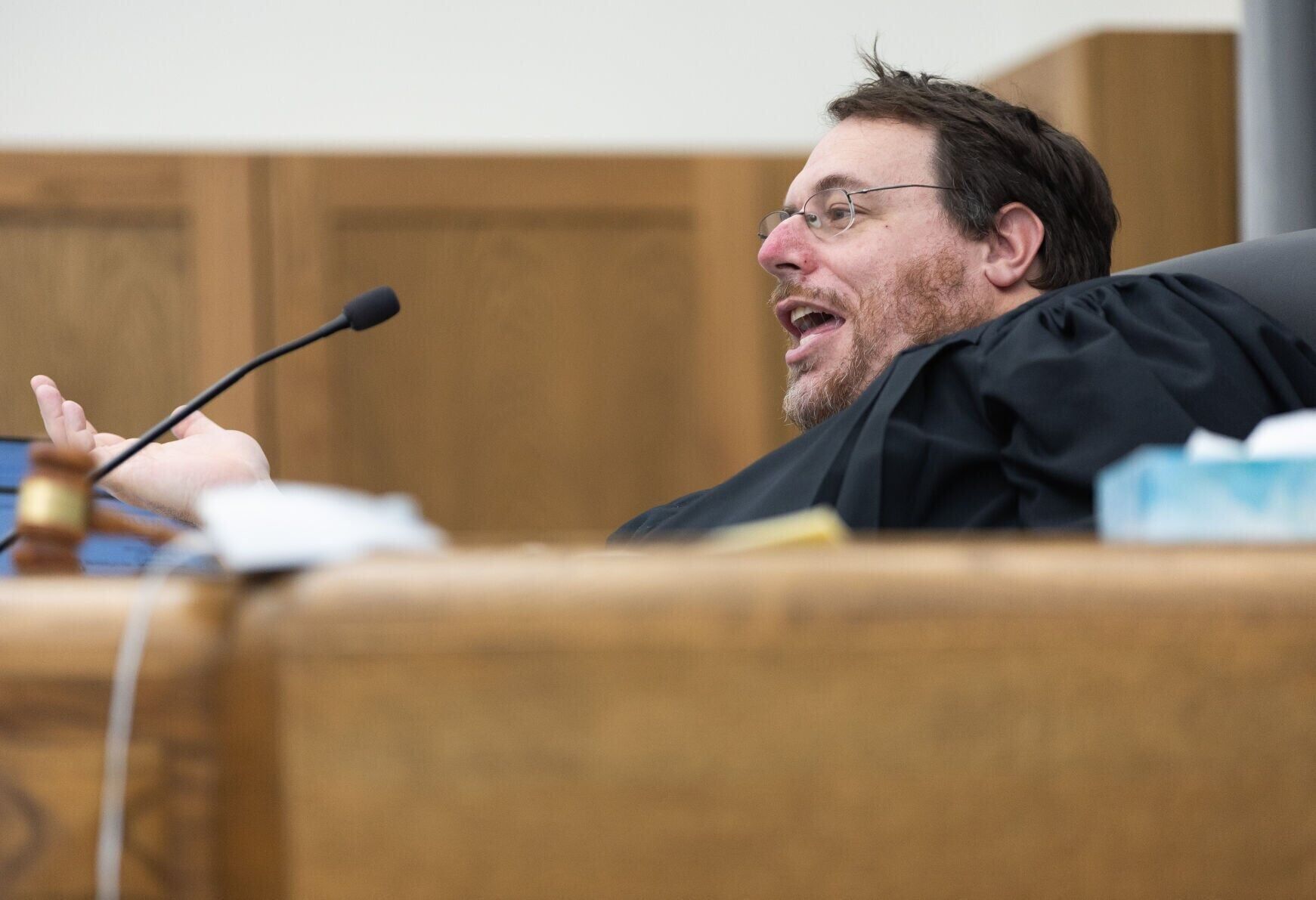
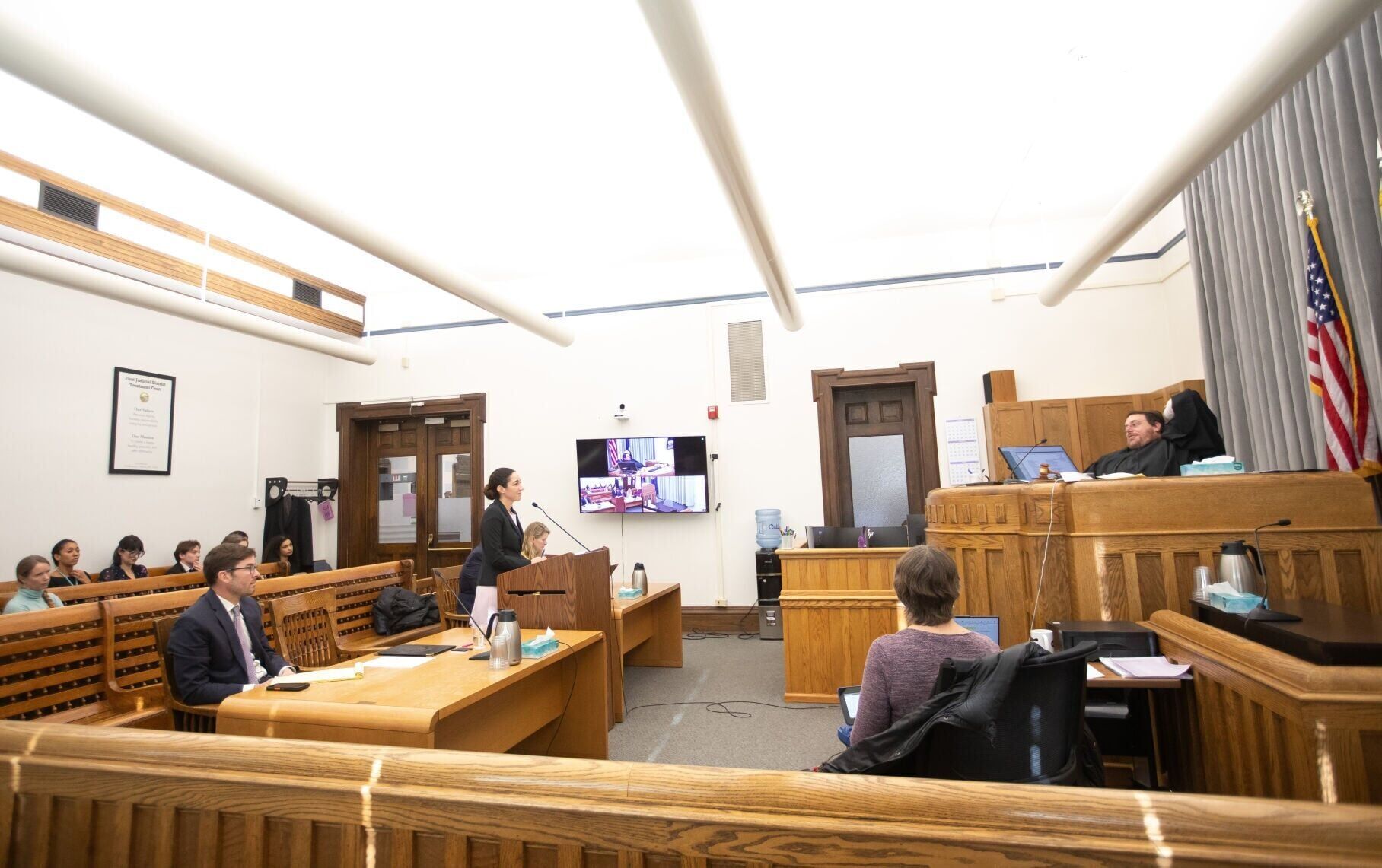
District Court Judge Christopher Abbott on Thursday heard arguments from both sides about the future of the lawsuit. Attorneys for the state asked for the case to be dismissed, while the ACLU of Montana, representing two teachers, a parent on behalf of her daughter and the Montana School Counselor Association, petitioned the court to let the case play out.
“What the state describes as a ‘wild goose chase,’ any other lawyer would describe as litigation,” said Alex Rate, ACLU of Montana’s legal director, in an interview. “This is what lawsuits do.”
When the case was first filed in April 2024, only SB 99 had been passed into law. It required schools to provide parents with 48-hour notice for sex ed curriculum and give them the chance to remove their kids from that day’s lessons. Things became more complicated last year when HB 471, sponsored by Rep. Jedediah Hinkle, R-Belgrade, expanded on that law by mandating longer notification periods and creating the opt-in requirement for gender identity instruction.
ACLU lawyers folded both into the existing lawsuit, which alleges that the Legislature used the bills as a tool to “silence discussions on gender identity and human sexuality in Montana’s K-12 schools.”
They claim the laws are unconstitutional because they violate rights to free speech and expression; privacy; due process; and the equality of educational opportunity.
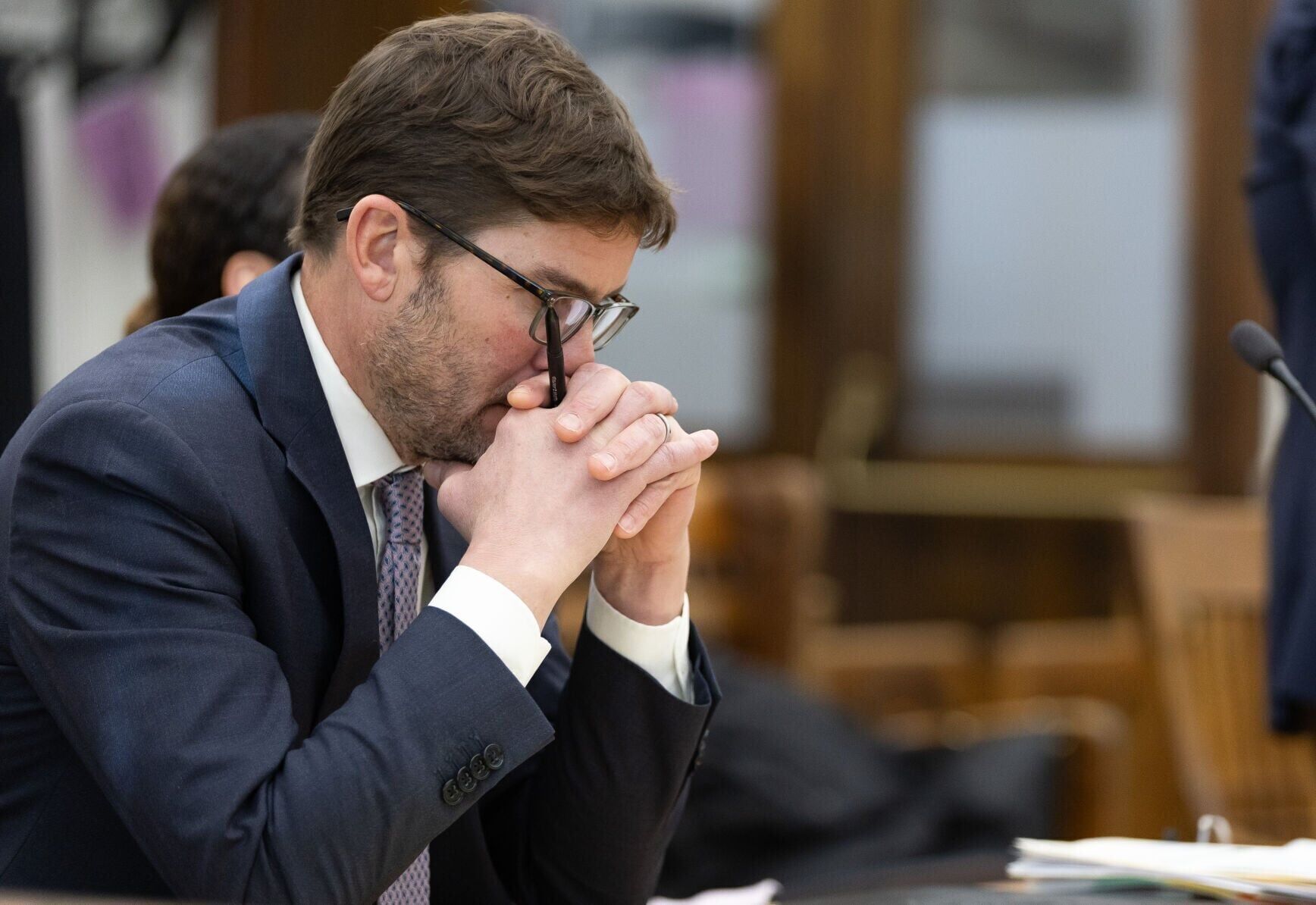
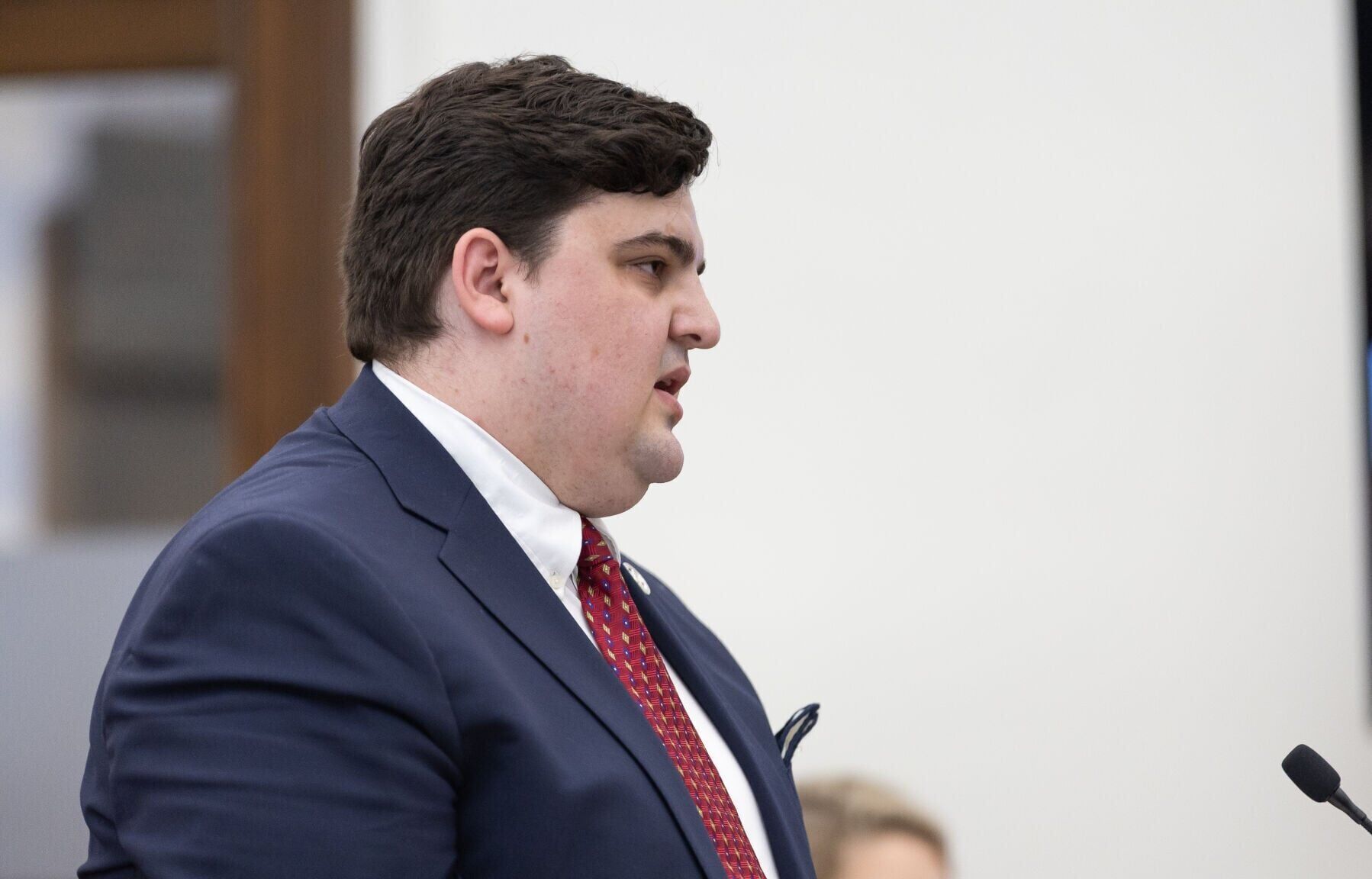
State justice department attorney George Clark asked the judge on Thursday to dismiss the case on the grounds that parents have a right to direct the upbringing of their children, and these laws are simply a way for them to do so. Striking them down, he said, would violate the religious beliefs of parents.
Clark also argued that what teachers or counselors — public employees — say in school is considered government speech and can therefore be regulated as such.
“The government gets to control what the government gets to say,” he said.
Clark’s arguments focused primarily on the claim that the plaintiffs have failed to prove anyone has been harmed by the laws.
Their complaint, he said, relies heavily on concern for what might happen rather than examples of injury that has actually occurred.
“Concern is not enough,” Clark said. “You have to actually allege imminent harm.”
Clark asserted there’s nothing stopping the plaintiffs from pursuing civil claims down the line should real harm be experienced.
“It’s up to the court to decide if you want to keep this goose chase running, I suppose,” Clark said.
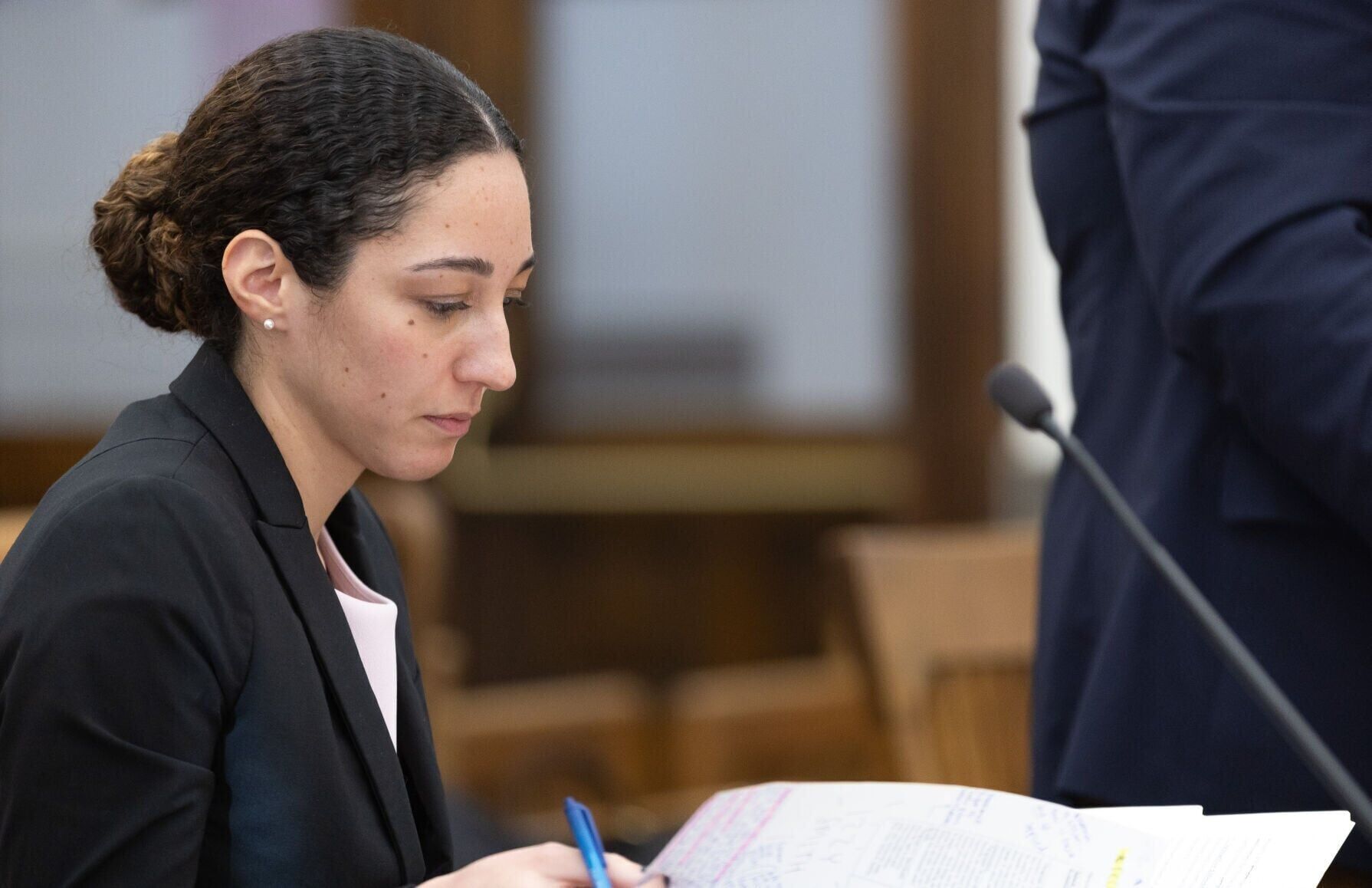
Ashlee Rossler, the ACLU of Montana lawyer, countered that the bill’s language is overly broad, so it can’t be considered government speech.
“We’re talking about anything that has to do with a human being because we’re talking about gender identity and sexual orientation,” she said.
Those concerns are echoed in the complaint by plaintiffs Libby Threadgoode, a teacher-librarian at Billings West High School, and Brett Thackeray, a Spanish teacher in the Lewistown Public School District. Both fear they will run afoul of the law if they have unplanned conversations with students or assign materials that have been part of their curriculums but mention relationships or sexuality.
Rossler said that removing a trusted adult like a teacher or counselor can be particularly damaging for queer youth and might compromise their ability to show up in the classroom ready to learn.
And making it illegal for educators to have confidential conversations with students about gender or sexuality without parental permission first not only violates privacy rights, it also risks harming the mental health of kids who may not feel like they can have those discussions at home, the ACLU claimed in the complaint.
That’s reason enough to let the litigation play out, the ACLU argues.
“These are the types of things we are already seeing, so the facts will bear out that these laws are harming public school students across K-12 curricula, but in particular those that may have queer identities,” Rate said after the hearings.
Laws that could chip away the rights of LGBTQ+ Montanans have become a hallmark of recent legislative sessions. In the 2025 session alone, lawmakers considered roughly double the number of bills about transgender rights as compared to the previous session.
School hallways and classrooms have been a primary area of focus in proposed legislation.
Hinkle acknowledged outright that HB 471 was meant to set guard rails on conversations about gender identity and sexuality discussions, which he doesn’t consider essential learning.
“I come from the premise that it should not be taught in schools,” Hinkle said during the session. “But, if it is, then parents should have a say in it.”



Comments ()