
Stories of the windy West
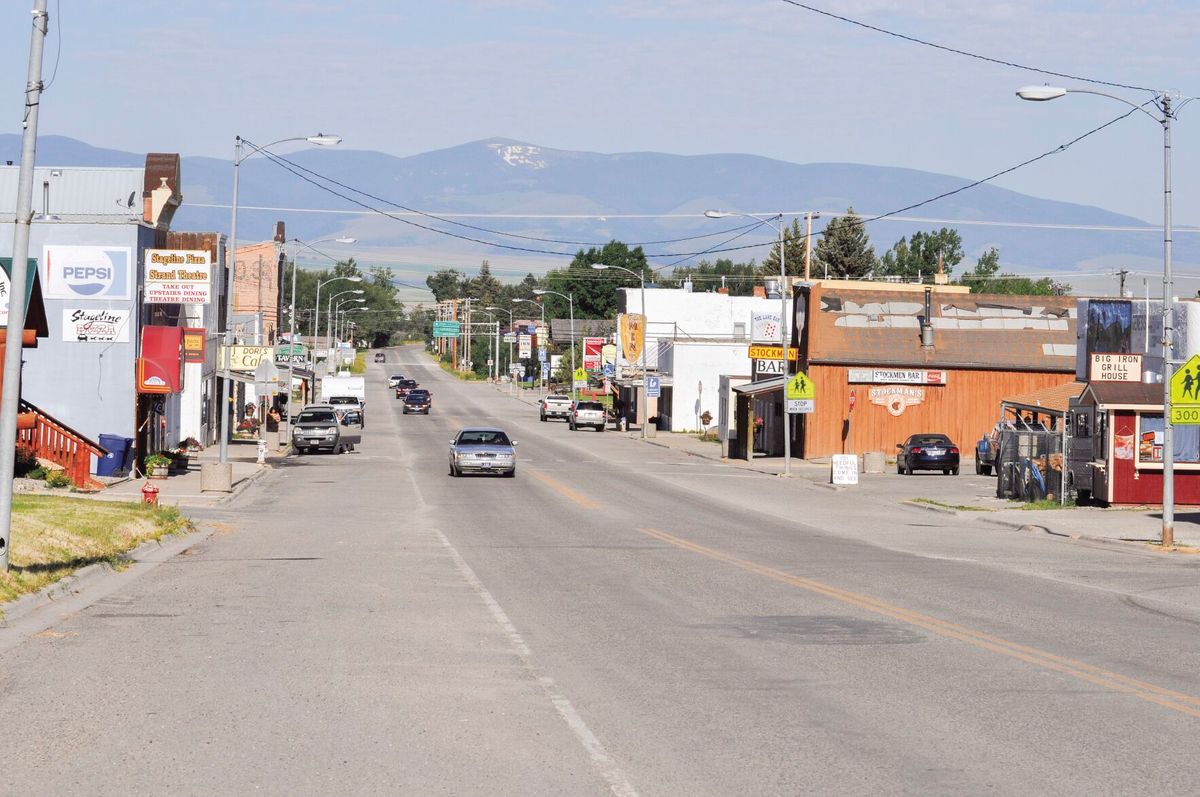
We all understand the ever-changing weather of Montana, and now MSU’s Renne Library is offering a new podcast series that will explore how the weather has influenced the history, culture and literature of central Montana. The podcast series, “The Wind from Eden: Montana Weather Stories,” is inspired by Montana-native and author, Ivan Doig.
Doig, a third-generation Montanan, was born in the town of White Sulphur Springs in 1939. At the age of six, he and his father relocated to Dupuyer, Montana, which later became the setting of many of Doig’s books. In the 1970s, Doig began writing what would become his first critically-acclaimed work, “The House of Sky: Landscapes of a Western Mind” —a poetic memoir. By the end of his career, Doig had published a total of 16 fiction and non-fiction volumes set mostly near the Rocky Mountain front.
The Renne Library partnered with independent radio producer Jeff Rice, who helped make the podcast possible. Rice edited, produced and hosted the series. Outside of this podcast, Rice’s work has appeared on National Public Radio (NPR), and he is also the program director for the library’s Acoustic Atlas, a collection of natural recordings from Montana landscapes and the broader western United States.
“Ivan Doig’s literature certainly opened my eyes to Montana ranching culture and the beauty of central Montana,” Rice said. “I have gained a much greater appreciation for Montana’s prairie country and I am not sure it would have been so heavily on my radar without Doig’s books. The prairies and the Rocky Mountain front aren’t as famous as Yellowstone, but they are in many ways just as wild and beautiful. They are also culturally rich and full of history. I think this project will stay with me and I hope to continue interviewing ranchers and recording at other locations Doig wrote about.”
The podcast’s episodes range from five to 15 minutes in length and explore the ranching land that Doig once called home. The first five episodes of the series dig into the themes of wind, extreme cold, isolation, spring rebirth and the celebration of summer with the addition of guest speakers such as cultural geographers, meteorologists, historians and literary scholars. According to Rice, his favorite is episode one, “Summer Celebration,” where Rice visits the Dupuyer area to speak with local citizens about how seasonal change has affected their lives. He was able to make various audio recordings of the surrounding hayfields and the classic July 4 rodeo. He also learns to deal with the local inhabitants and recommends to “keep an eye out for grizzly bears.”
“I found out that I shouldn’t get too comfortable, despite the good weather, because grizzly bears are becoming more common in the area,” Rice said. “Grizzly bears have only recently returned to the area after being extirpated more than a 100 years ago and their return has changed life for local residents. Life there is very different now from the way it was for Ivan Doig when he was growing up.”
In addition to the series of podcasts, sounds of the Ivan Doig Archive are also available. These recordings are part of a growing collection of sounds from geographic locations that are relevant to Doig. Whether you are interested in learning how the weather has shaped Montana or you would just like to listen to the sound of Dupuyer Creek while doing homework, visit http://ivandoig.montana.edu/projects/sounds/.



Comments ()