
Streamline en route to special election
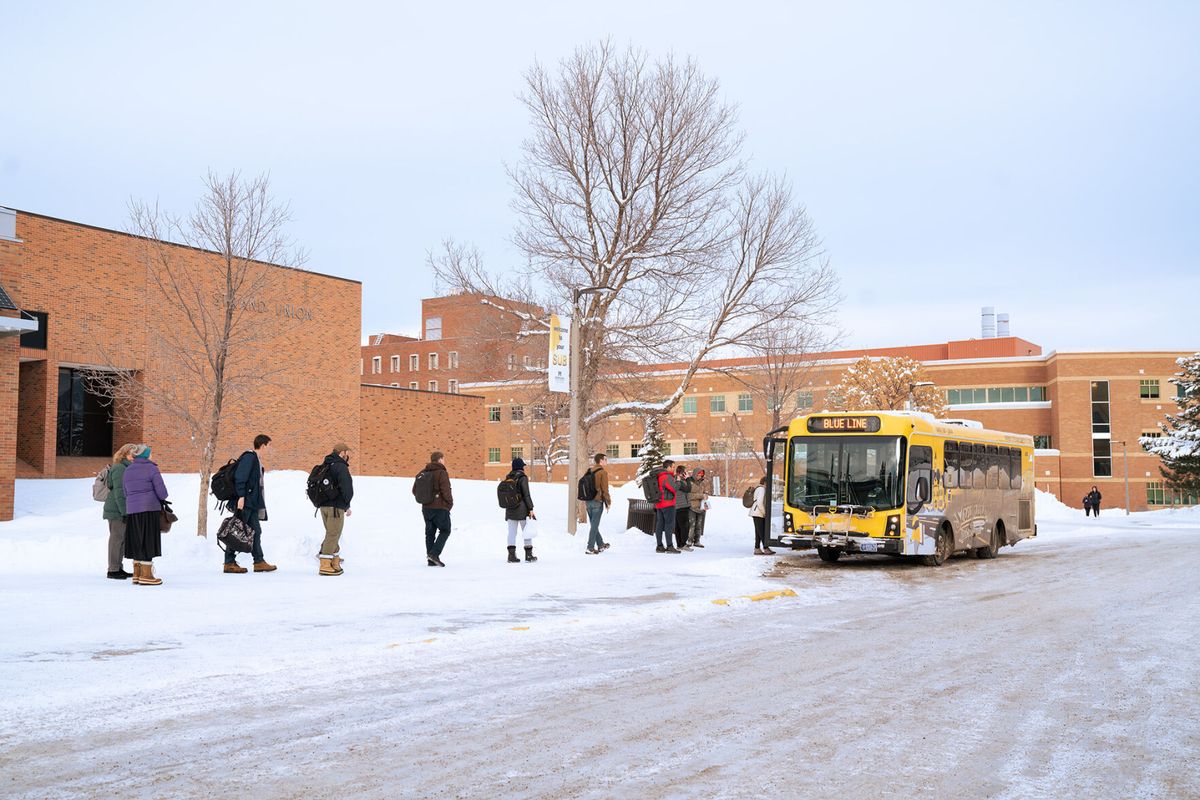
The future of Streamline, Bozeman’s free bus transportation network, is going up for a vote.
Organizers secured a spot on a spring special election ballot for the formation of a new urban transportation district (UTD) to manage funding for the service – the result of a months-long effort to gather thousands of signatures in support of putting the measure to a vote.
The district would allow Streamline to keep receiving funding to maintain its services after Bozeman’s designation as a small urban area removed its previous funding structure. Keeping the free transportation district online, supporters said, is an important factor in reducing parking demand and reducing Bozeman’s environmental footprint amidst rapid growth.
“The passage of a UTD would help with the challenges of cost of living by decreasing transportation costs, supporting our climate goals, and improving land use by decreasing demand for Single Occupancy Commuters to campus,” said ASMSU senator Alex Musar, who helped organize the petition for the UTD.
The Exponent previously reported that the UTD is a way for Streamline to continue running after the 2020 census deemed Bozeman a small urban area. That designation means Bozeman’s Human Resource Development Council (HRDC), the non-profit that runs the system, is no longer eligible to receive the federal funding it depends on to operate the service.
“Bozeman has switched from receiving money from the State Department of Transportation to directly receiving it from the federal administration, said Sunshine Ross, the HRDC’s transportation director. “So, those dollars cannot go directly to a non-profit like they are now.”
The UTD could be a direct recipient of federal administrative funding, allowing it to contract with the HRDC to continue funding the Streamline bus service and not have any interruptions or service reductions.
For the HRDC, this switch in funding was not news. Ross says forming a UTD “was the intention before Streamline even started, based on recommendations from planning consultants.”
Initially, there was no deadline for the UTD. However, Bozeman's unprecedented growth over recent years has forced the HRDC to act quickly to ensure the Streamline and other services remain active.
HRDC has been working over the past year and a half in anticipation of losing its government funding — due to Bozeman’s census and subsequent relabeling — to get to the point where it could set up a UTD.
This work has been completed largely by volunteers, who collected over 28,000 signatures this past fall supporting the formation of the UTD, Ross said.
That number of signatures was double the amount necessary to have the Gallatin County Commission put forth a resolution certifying the petition. The commission did so on Jan. 17, prompting a public hearing on Tuesday, Jan. 31 to decide if the group would place the proposal on May’s special election ballot.
Following a session of public testimony mostly in favor of the proposal, the commissioners decided to place the UTD on a May 2 special election ballot.
Along with its placement on the ballot, the commissioners decided that the members of the UTD board would be appointed instead of elected. This means Bozeman, Belgrade and Gallatin County will each assign one-third of the board.
Mitch Bradley, a retired Bozeman businessman and the first to offer public comment, said the bus network is important because it’s an affordable way for people to travel to and from work.
“We all know how expensive it is to live in Bozeman right now,” he said. “Streamline offers support for people who are already burdening the cost of living and cannot afford to own an automobile on top of that.”
The next testimony was from Liz Aghbashian, the Community Health Partners Resource Coordination Manager. Aghbashian said the transportation system is a “critical part of the health care the Community Health Partners provides.”
“Because we cannot see all the patients at one site, sometimes we have to refer people to other locations,” she said. “The Streamline and Galavan are critical pieces of getting that care delivered to the people who need it.”
Several other testimonies in support of the UTD followed Aghbashian, including Scott Birkenbuel, the CEO of Ability Montana, a group dedicated to promoting independence and advocating for people living with disabilities.
“Transportation is essential for people with disabilities and older adults to participate in society,” Birkenbuel said. “It impacts access to health care, essential services, interactions with friends and family, and the ability to work as well as attend school.”
Linda Sherwood, a retired Special Olympics volunteer who serves on the Streamline advisory board, said the bus routes allow her son, who has developmental disabilities, to move around and be included in the community.
“The formation of the proposed UTD will give my family peace of mind knowing that Streamline will always be there for him and he will continue to be a mobile, productive, tax-paying member of the community,” she said.
After nearly an hour of public comment, the county commissioners made their vote to place the proposal on the ballot, where voters will decide if they will allow the UTD to take over governance of Streamline on July 1.
Ross says the next step will be getting people to vote. Unfortunately, she said, "Typically, in school board and district elections, there is not a high turnout.”
An opponent of the UTD who was speaking at the meeting said they were concerned about potential taxes involved with the service, but Ross and other HRDC members said the formation of a UTD does not automatically create a tax. Instead, it just creates the UTD, the primary function of which is receiving federal funding.
In addition, Ross said a UTD “sets up the system to be more regional.”
“Streamline and other services could operate outside the boundary lines if deemed appropriate,” she said.
For example, if there is an increase in commuters coming from the Three Forks or Manhattan area into Bozeman, buses can serve those communities.
“It allows us to keep our service but then grow beyond that and grow with the community to meet their needs better,” Ross said.



Comments ()