
Student nutrition resources explored for campus community
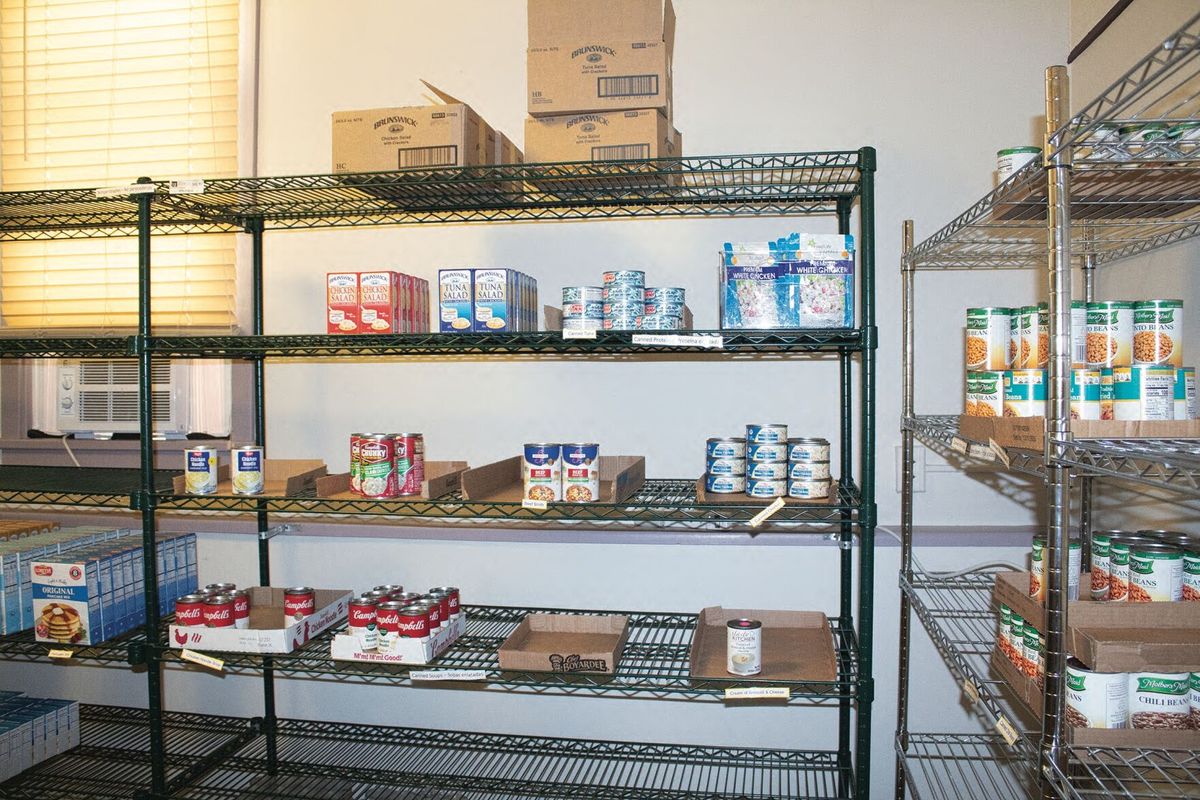
MSU’s food pantry, the Bounty of the Bridgers, is a student's one-stop-shop for meal plan scholarships and other resources surrounding food insecurity.
The building, located on 6th Ave., focuses on providing supplemental and emergency food assistance to all members of the MSU community, according to their website. In an interview with the Exponent on Oct. 31, campus professionals shed light on student resources and expertise surrounding nutrition on campus.
Kaitlyn Schlangen, a registered dietitian with the MSU Office of Health Advancement, highlighted the multifaceted issues around food insecurity confronting college students. “Due to busy schedules, limited budgets and newfound independence, students face unique nutritional challenges,” Schlangen said. She went on to further emphasize the importance of proper nutrition for optimal brain function, mood and overall academic performance.
“There is much emerging research on the connection between our gut and brain, specifically, with our gut microbiome. Fluctuations in our blood sugar levels can also affect our mood and energy which is why it is important to make time for meals and snacks throughout the day,” she said.
MSU alumna and current Basic Needs Program Manager Margaret Davies drew attention to the broad spectrum of food insecurity at the college level. "Approximately one-third of college students at four-year public universities experience some level of food insecurity," Davies said. These insecurities can range from heightened anxiety about meal sources to ongoing sensations of hunger and malnutrition, according to her.
Bounty of the Bridgers was founded in 2017, according to Davies. “[It] started as a student club, a group of students that saw that there was a need for supplemental food on campus for free,” she said. Over time, she said it evolved from a student-run venture to its current status, with Davies as its first full-time program manager.
Davies said the food pantry will later move to the Wellness Center upon its completion in the spring of 2024. When asked about the pantry's resources she said, “The bulk of the food bank's supply comes from the Montana Food Bank network [supplemented] by food rescue efforts. Food insecurity is a largely invisible thing. Normalizing it can lead to positive outcomes in students' academic and social lives.”
MSU freshman and studio arts major Leith Matlock shared a personal perspective on the social significance of food in student life. "Food is central to community and social interactions. Inability to afford it impacts not just physical health but also social well-being," she said.
According to MSU’s website, the Office of Health Advancement offers a range of support services in addition to the food bank. Programs offered include mental health resources and medical assistance. It also offers support for students grappling with eating and mental health concerns along with wellness coaching.
“The food pantry is only one of our food programs that we run. That one is really accessible and it serves the most students of any of our programs. We also have our food security scholarship, which is really high-impact,” Davies said. “You can apply for that if you're awarded it, you'll get 25 swipes to the dining hall in a semester. We have always gotten really positive feedback from the folks that received that scholarship. It is kind of a game changer for being able to stay in school.”
For more information or support, MSU students can reach out to the Office of Health Advancement or visit the Bounty of the Bridgers food bank.



Comments ()