
Supreme Court: Montana news outlets can argue for release of Anaconda shooting docs
The Montana Supreme Court ruled in favor of state news organizations this week, allowing the media to argue for the release of court documents related to last year's widely publicized shooting in Anaconda.
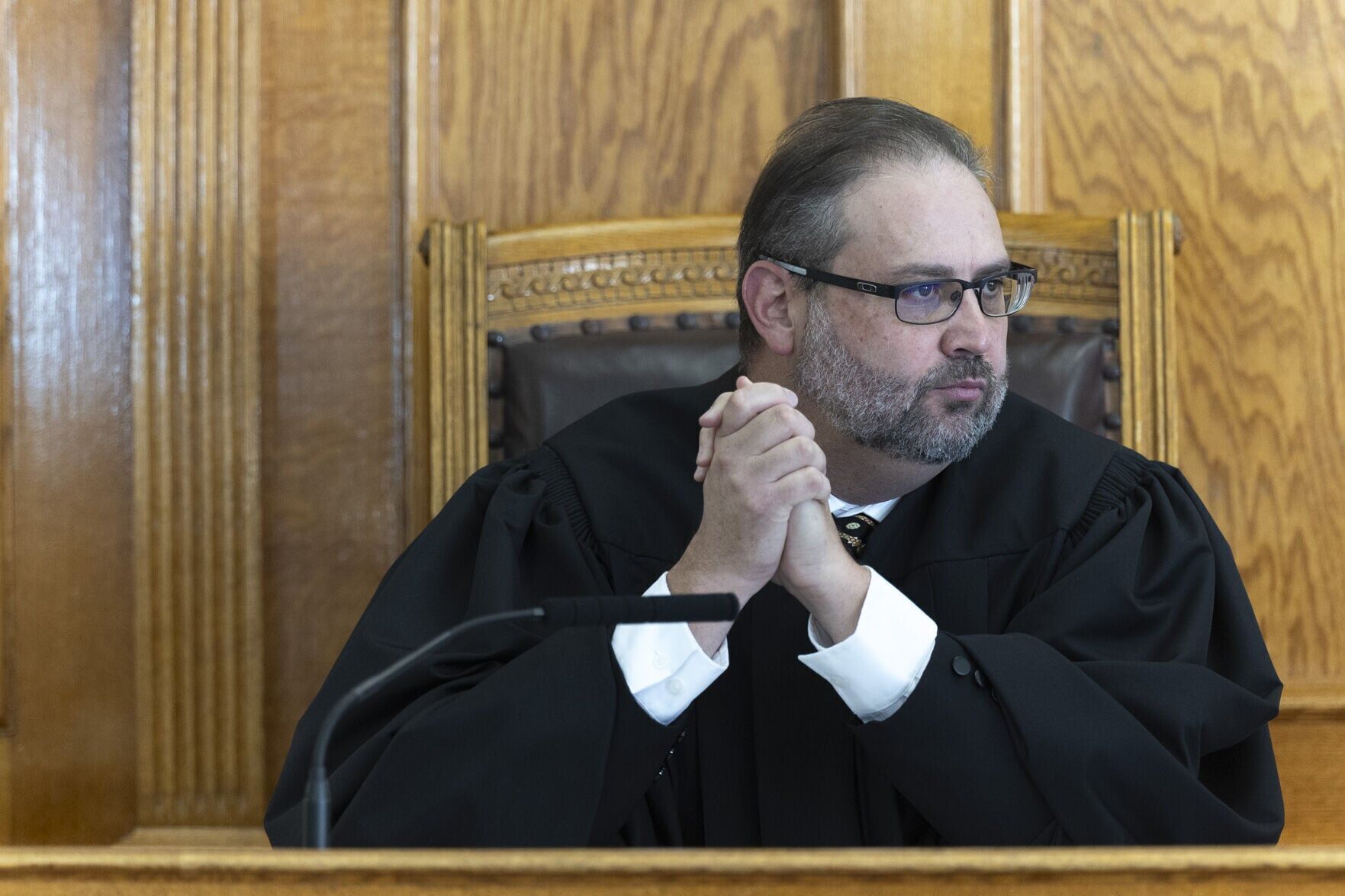
In a 5-0 decision authored by Chief Justice Cory Swanson, the court said the district court judge overseeing the criminal proceedings over Michael Brown's case erred when he denied news outlets the chance to argue those documents should be unsealed.
Legal precedent established in the 1990s requires media outlets have a chance to be heard before access to court records is restricted.
"These requirements are not discretionary," Swanson wrote in the order dated March 24. "… These procedural requirements are essential to ensure that the constitutional balance between public access and fair trial rights is properly evaluated."
The organizations who petitioned the Supreme Court include the Montana Newspaper Association, Montana Free Press, Montana Broadcasters' Association, Lee Enterprises (which includes the Montana Standard, the Helena Independent Record, Billings Gazette, Missoulian and Ravalli Republic), Daily Montanan and Montana Freedom of Information Coalition.
Brown is charged with four counts of felony deliberate homicide, one count of felony arson, one count of felony property theft and one count of misdemeanor fleeing a peace officer. He pleaded not guilty to the charges in September.
Third Judicial District Court Judge Jeffrey Dahood in Anaconda granted a motion early on from prosecutors and Brown's defense attorneys to seal all documents associate with the case. The motion was partially lifted, but records that would provide some details about the crime remain under seal.
The news outlets filed a motion to unseal the remaining documents, citing court precedent that media "be allowed to be heard and participate in the decision-making process prior to sealing court records."
Dahood denied this motion, finding the news outlets had not shown why they should be heard in the matter.
"This reasoning reflects a fundamental misunderstanding of governing law," Swanson wrote.
The news outlets' original motion to be heard was also never entered into the record of Brown's court proceedings. Swanson also noted this ran afoul of state law and undermined the transparency principles in the right-to-know provision of the Montana Constitution.
The Supreme Court declined, however, to vacate Dahood's order sealing the documents. The materials in question, Swanson said, include sensitive evidence, witness identities and mental health evaluations that will bear on the defendant's potential defenses. The high court ultimately sent the matter back to Dahood, who will now hear arguments by the media on disclosing the records at a future date.
"The statutory framework requires a fact-specific determination, supported by evidence and findings, balancing competing constitutional interests," Swanson wrote.
Dahood's findings in the next round may still be appealed to the Supreme Court.


Comments ()