
The Streamline 'lifeline': In 20th year, Gallatin Valley’s zero-fare transit plans its next decade
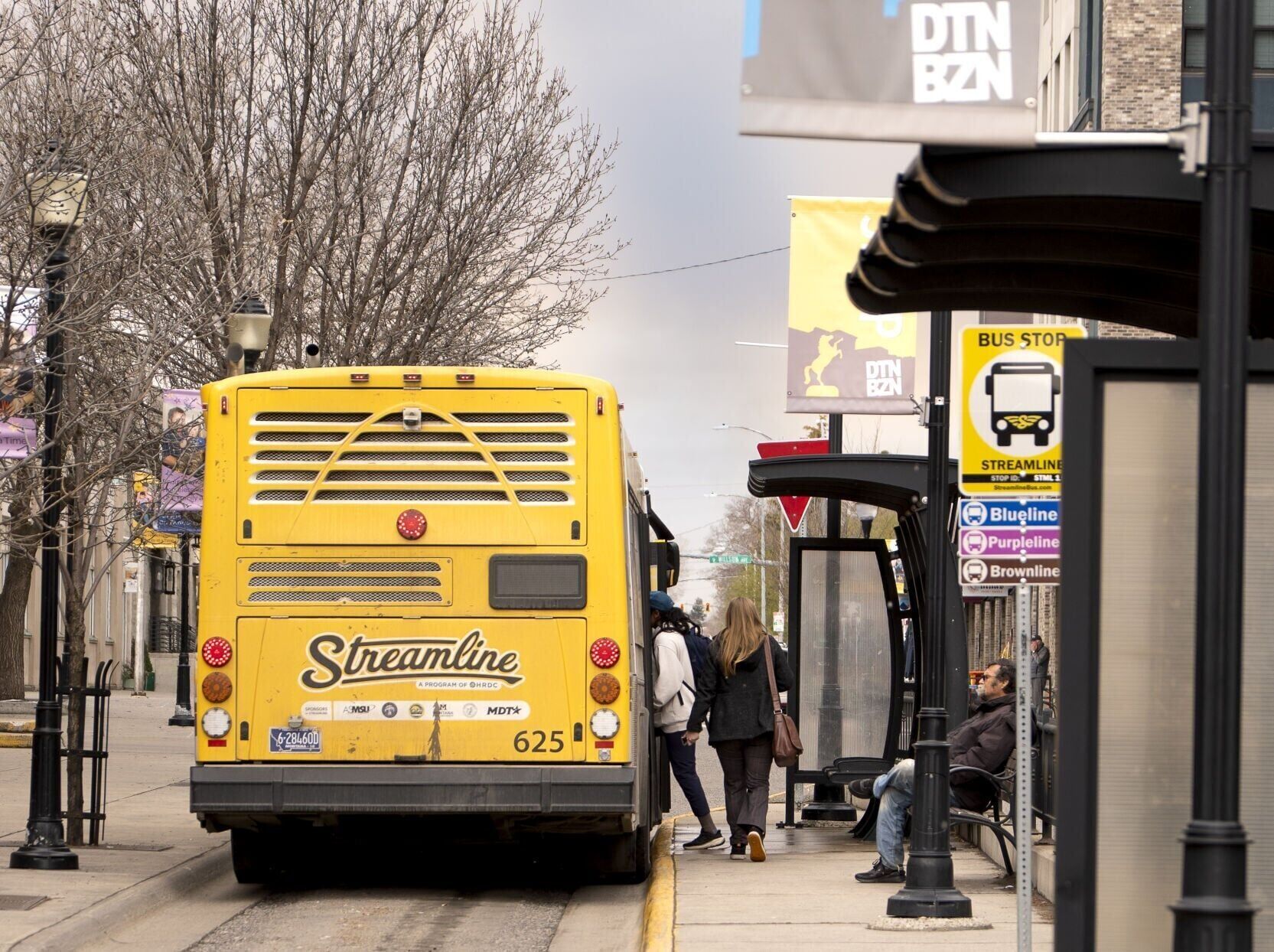
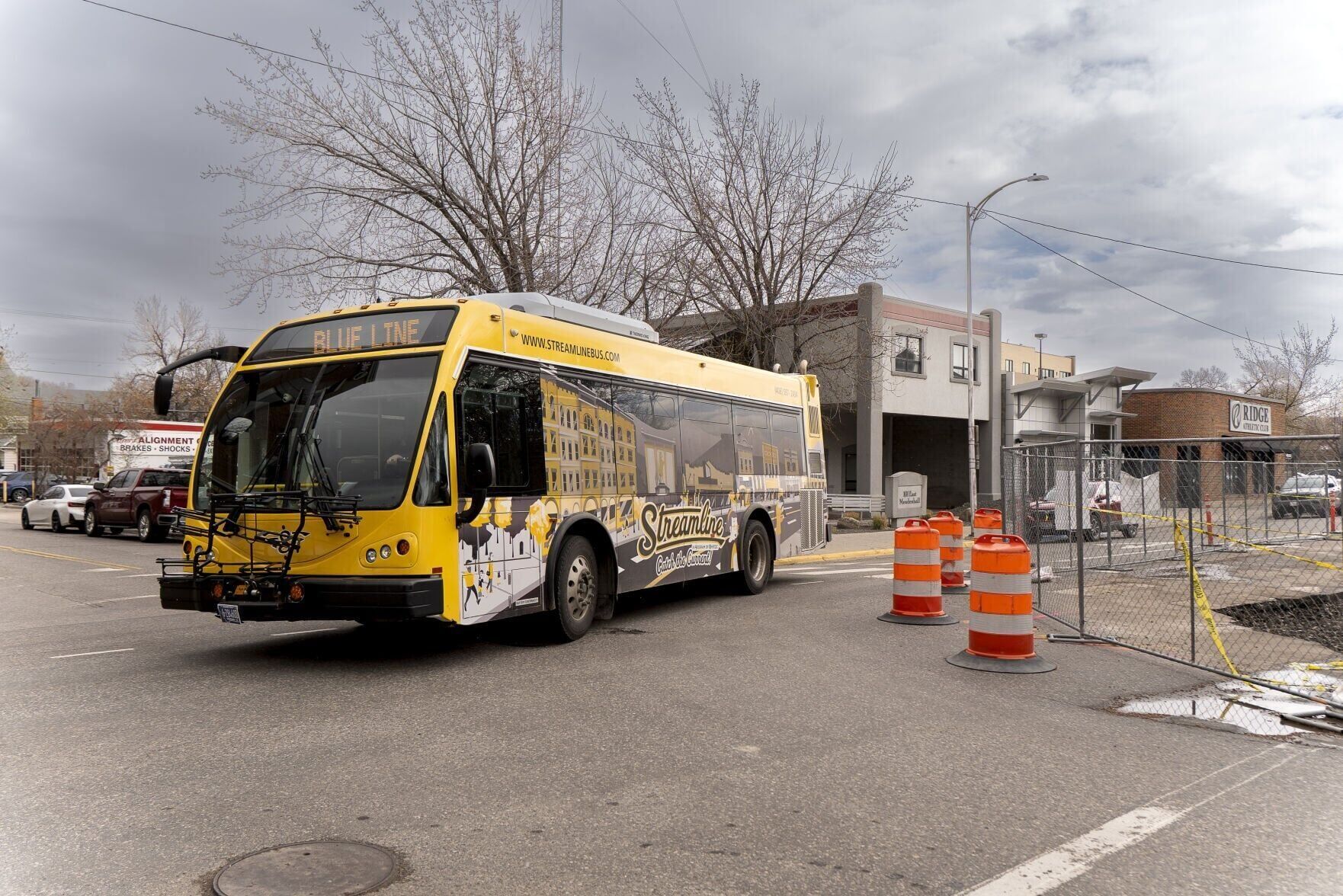
If you spend enough time in Bozeman, you’re almost guaranteed to see a yellow Eldorado Streamline bus pass by. The 11-vehicle fleet has been providing the Gallatin Valley with reliable, zero-fare transportation for nearly two decades.
As the time ticks down to its 20th-anniversary date Aug. 21, Streamline is continuing to expand its services to support the community.
“It can be a lifeline to people,” said Sunshine Ross, the Streamline director. “It helps lower household costs, fight social isolation, and provides access to things like medical appointments.”
Streamline operates four in-town routes that run weekdays from 6:45 a.m. to 10 p.m., and weekends from about 9 a.m. to 6 p.m. Additionally, the pink line runs between Bozeman and Belgrade, and a daily weekday route runs to Livingston.
“There’s quite a bit of change we could implement if we had the resources,” Ross said. “We’d have to have the buses, and we’d need funding increases.”
In 2024, Streamline began working with consultants and the public to gather data to integrate into the Steering Streamline Transit Development Plan. The plan, which Ross anticipates will be publicly released in the summer, aims to rework the in-town routes and increase ridership capacity in response to public survey results.
Ross said Streamline is hoping to start implementing recommendations in the fall, but the broader project will be rolled out in phases over the next half-decade, as funding becomes available.
“We’re working on the financial piece now,” Ross said. “We’re identifying in what years we need to phase in new routes, and when we can purchase new buses, and when to hire.”
In the short term, Streamline is implementing smaller-scale improvements, including a pilot express airport shuttle running from Montana State University and Walmart to Bozeman Yellowstone International Airport.
“It’s what we’ve been hearing the public wants,” Ross said. “We’re working around the (MSU) semester change and spring break, and in the summer were going to work around orientation.”
Additionally, Streamline is working to improve rider accessibility through the relaunch of the Streamline app.
“GPS installed in the buses will give riders predictive times of when the bus will arrive, and we can push alerts and notifications about accidents and weather-induced delays,” Ross said.
Streamline is also continuing to partner with local artists to create bus stop parklets.
“We bring in planters and (do) some landscaping, and then we find a local artist that will do some street-scaping for us,” Ross said. “We had one that looked like a creek running right in front of the bus stop. It’s nice to tie in the local creative scene.”
Additionally, Streamline is working to secure an American Association of Retired Persons grant to add HCA seating areas to some bus stops and an MDT grant to install solar lighting at around 10 stops.
If funding is acquired, Ross anticipates the seating areas could be completed by December.
“The lights could take a little longer because MDT doesn’t meet on those capital grants until June or July,” Ross said.
As far as the bigger picture changes, Ross said the timeline for the Steering Streamline Transit Development Plan is fuzzy.
“The plan is meant to be a 10-year plan, but we’ll update every three to five years,” she said. “That’s kind of an industry standard, especially in a place like this where there’s a lot of growth.”
From 2010–2020, Gallatin County’s population grew by 39.3%, ballooning from 89,662 residents to 118,960. This growth changed Bozeman’s transportation classification from a rural area to a small urban area. For Streamline, this meant a mandated change in organization.
Until the 2020 census, Streamline was operated by the Human Resource Development Council (HRDC), a private community nonprofit. Under the rural area designation, Streamline was eligible to receive grants from the Federal Transit Administration.
Annually, Ross said the FTA grant brought in about $1.8 million, which was used to fund the four in-town routes.
But when the census hit, and Bozeman was reclassified as a small urban area, Streamline was ineligible for the Rural Areas program grant it had relied on since its genesis in 2006, causing the organization to shift to alternative federal funding sources.
“As a nonprofit, HRDC was not eligible for the new funding sources,” Ross said. “So we had to pivot to the Urban Transportation District.”
As far as the day-to-day operations, Ross said Streamline’s leadership did not change.
“The UTD was a suggestion for Streamline two decades ago, and there was already an advisory board under the HRDC,” Ross said. “It was set up from the very beginning to be regionally representative so it could transition at some point to the UTD.”
The UTD was officially formed as a part of the 2020 Redesign Streamline Transportation Development Plan. The TDP — which was voted the best use of taxpayer dollars in Bozeman Magazine — cut commute times by updating existing routes to be bidirectional, rather than circular one-way loops. It led to the development of new bus stop signs and route indicators, and the formation of the UTD in 2023.
While the organizational transition was smooth, Streamline was left with funding deficits.
“When we switched from rural funding to the small urban funding, our funding decreased by about $400,000,” Ross said.
Despite the annual funding cuts, Ross said she’s optimistic Streamline can make up the deficits with saved annual allocations from previous years and offset administrative costs with planning funds annually allocated from the Gallatin Valley Metropolitan Planning Organization.
“We have reserves we can cover it with,” Ross said. “We’re using the oldest money first.”
As Streamline grapples with funding changes, population growth, and developing expanded routes and services, Ross said she’s excited for what the future holds.
“It’s amazing. I can’t believe it’s been 20 years already,” Ross said. “I remember the first time I saw the buses driving around town, and I thought, ‘Wow, we finally have public transportation here in Bozeman’. Since then, I’ve only seen support grow in the community.”




Comments ()