
Translocated grizzly bear has cubs in Yellowstone area, strengthening grizzly's genetic diversity
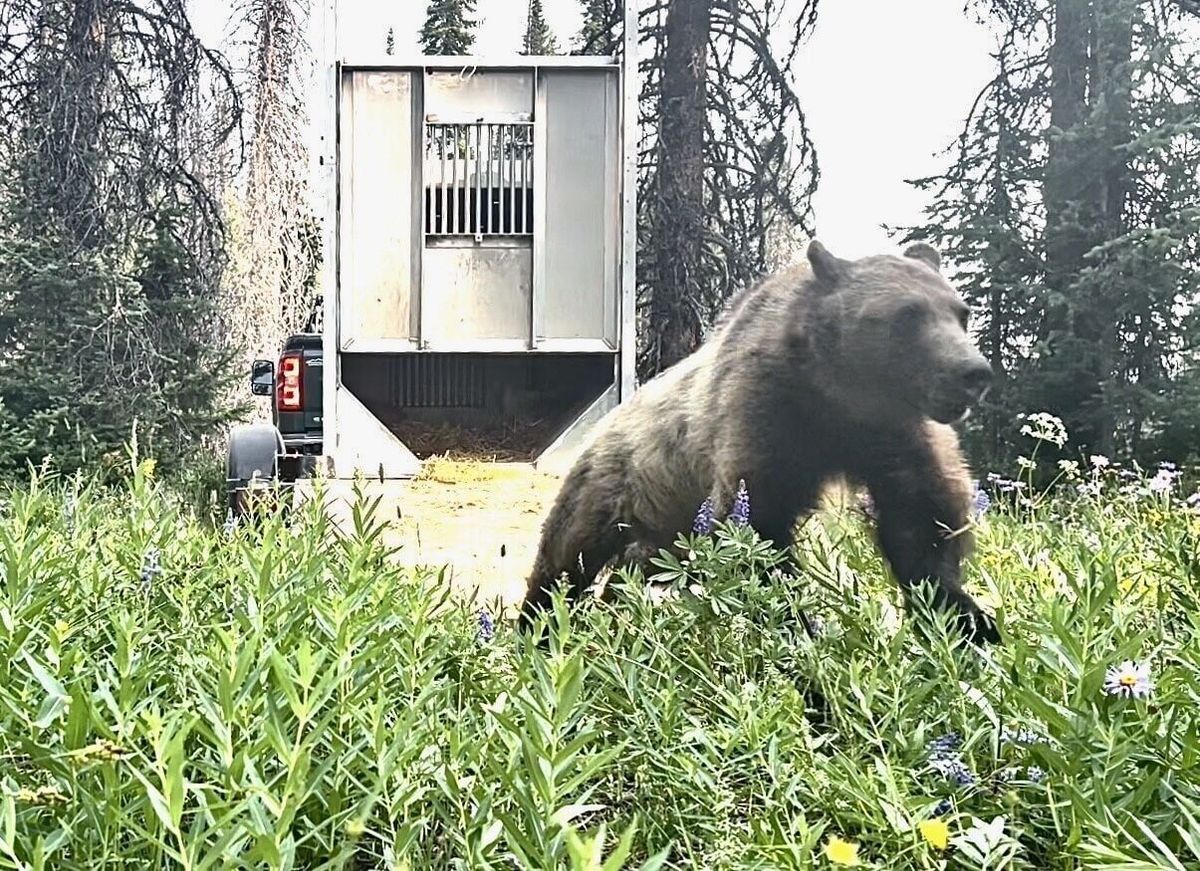
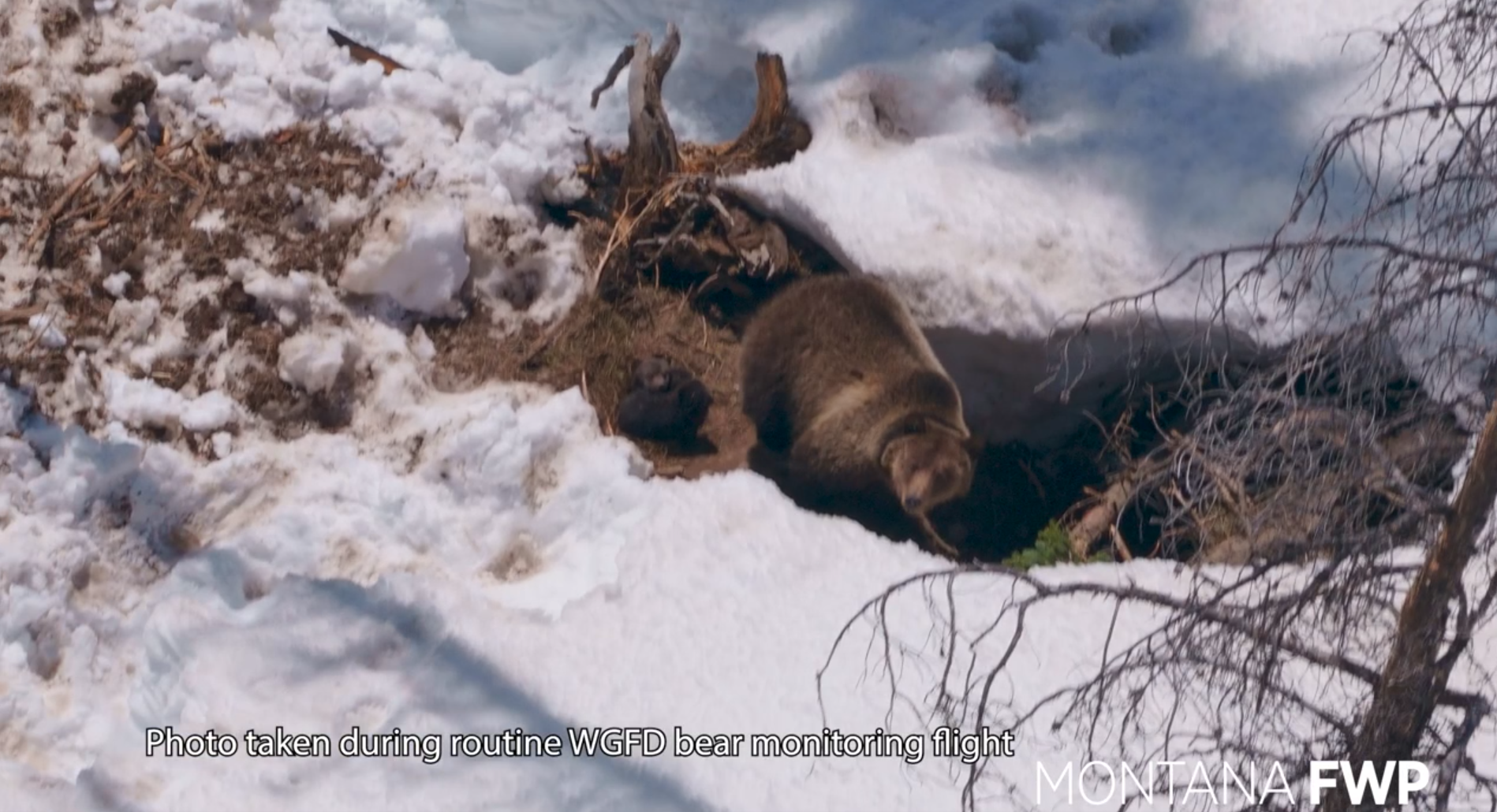
HELENA, Mont. – Montana and Wyoming-based bear biologists celebrated as a female grizzly bear, who had been transferred to the Yellowstone area from Northwestern Montana, emerged from her den with two new cubs.
She was moved from the Northern Continental Divide Ecosystem in 2024 and put in the Greater Yellowstone Ecosystem to establish a genetic exchange between the two ecosystems, Montana Fish, Wildlife and Parks said.
When she emerged from her den in 2026 with new cubs, biologists knew the genetic exchange was a success.
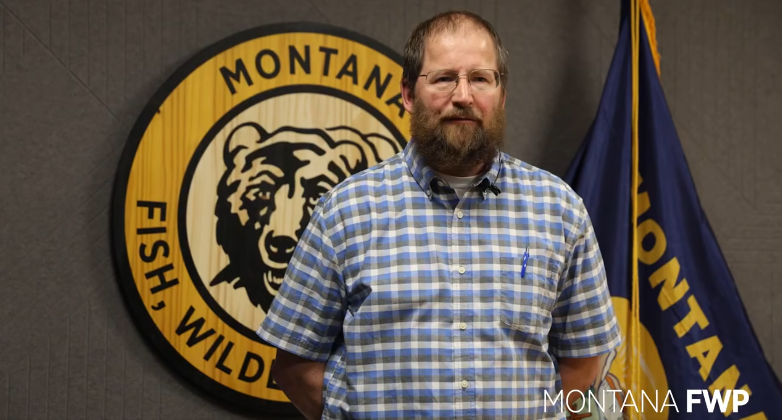
"It represents [success for] grizzly bears themselves, for the two cubs, clearly cubs of the year, that makes sense in their size and timing. And she clearly is in great shape as a young mother coming out of her den with a lot to do now, brining those cubs to adulthood, to the point where she kicks them off," Montana Fish, Wildlife and Parks Chief of Conservation Policy Quentin Kujala said.
Montana Fish, Wildlife and Parks transferred her between the ecosystems in an effort to establish a “genetic exchange” across the area. The mama bear’s choice and ability to have cubs in the new ecosystem represented a successful exchange.
“This is concrete evidence that Montana and Wyoming are committed to sustaining a recovered population of grizzly bears and is a major success in our continued efforts to ensure genetic diversity in these two recovered populations of bears,” Montana Fish, Wildlife & Parks director Christy Clark said.
Montana Fish, Wildlife and Parks grizzly bear researcher Cecily Costello said the bear, who was six years old when she emerged with cubs, gave birth at an average time for grizzly bears. The thing that made the team worry, Costello said, was how much the bear liked to wander and spend energy.
“It is more surprising because last year she was still very mobile and made many large, wandering movements. We wondered if that energy expenditure might reduce her chances of reproducing, but, from the photo, she appears to be in great condition,” Costello said.
Translocation and delisting
Clark said Montana, Idaho and Wyoming signed an agreement to translocate bears into the “currently isolated” Greater Yellowstone Ecosystem grizzly bear population to address issues raised by a federal judge who denied the U.S. Fish and Wildlife Service’s attempt to delist grizzly bears in the area.
“The current health of the GYE grizzly bear population is sound,” Clark said, “While the best available science indicated genetic exchange among distinct grizzly bear populations was not essential for recovery, increased genetic diversity is advantageous for robust populations.”
Wyoming Game and Fish Director Angi Bruce said the successful translocation represented a commitment by both agencies to conservation and grizzly bear management.
“This multiagency effort was a shining example of interstate/interagency collaboration and cooperation to address long-term genetic viability concerns raised and embodies both on-the-ground conservation and a commitment to fulfill obligations toward grizzly bear management in the contiguous United States,” Bruce said.
The most recent attempt to delist grizzly bears from the Endangered Species Act is the Grizzly Bear Management Act of 2025, which was introduced by Montana’s Representatives Ryan Zinke and Troy Downing, as well as Representative Harriet Hageman from Wyoming.
The bill was passed by the House Natural Resource committee on July 15 in a 20-19 vote, which fell along party lines. The bill has not been presented to the full House of Representatives yet.
In the meantime, agency biologists with the Interagency Grizzly Bear Study Team have expressed previous commitment to documenting the recovery of grizzly bears in the Greater Yellowstone Ecosystem under the Endangered Species Act.
What’s next for the cubs?
Montana Fish, Wildlife and Parks said annual cub survival rates are just above 50%, but are slightly lower for first litters.
“So, we do have to wait and see about the survival of this litter,” Costello said. “Even if this litter does not survive, we expect she will be successful in the future.”
The female bear is one of two bears translocated from the North Continental Divide Ecosystem to the Greater Yellowstone Ecosystem. The other was a male.
Montana Fish, Wildlife and Parks isn’t sure yet if the male has had any offspring yet because it is more difficult to track male grizzly bear’s reproductive habits. The only way to determine whether or not he had offspring would be to capture and sample cubs.
“We are hopeful that he has or will produce offspring, too,” Costello said.



Comments ()