
University weighs benefits and risks of AI use in class settings
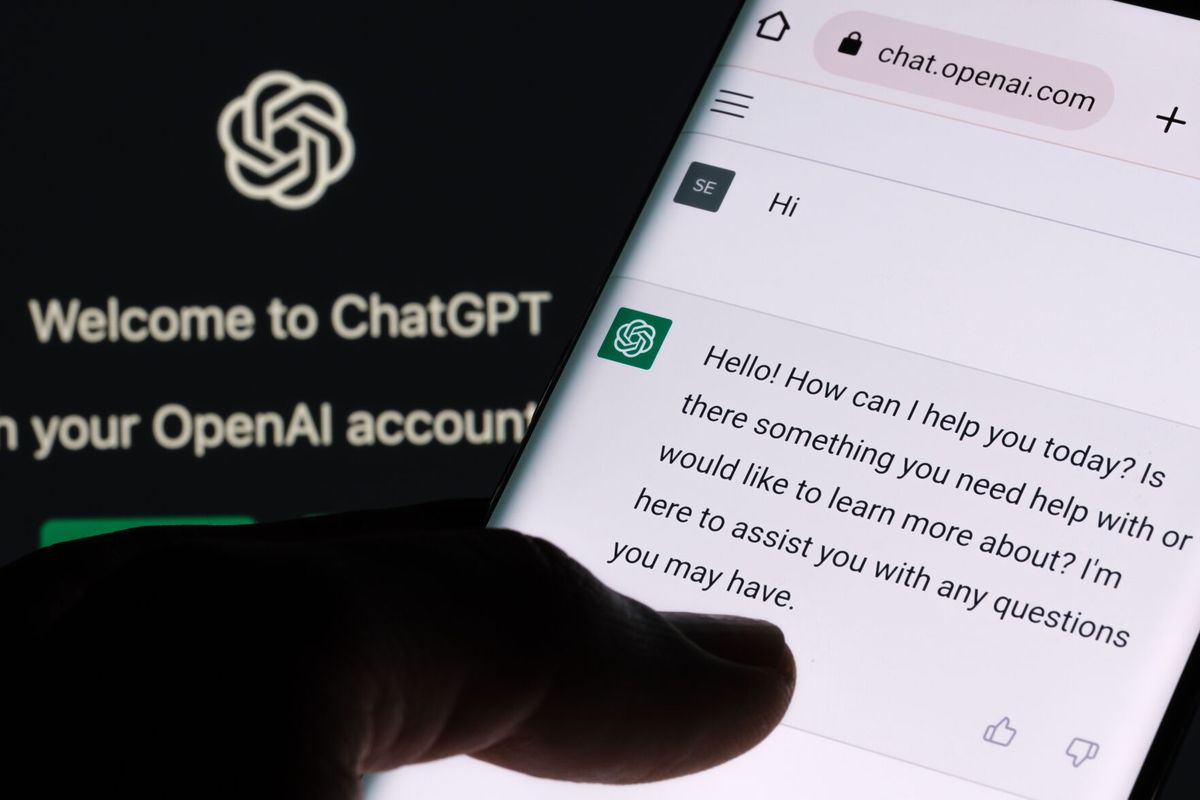
ChatGPT (Chat Generative Pre-trained Transformer) is a tool that’s growing in popularity. But the benefits and risks of this artificial intelligence program in a university setting, and at MSU, are still up for discussion.
According to ChatGPT, an artificial intelligence that can write students’ papers given a short prompt, the program was trained “on a massive corpus of text data, including books, articles, and online discussions, to learn the nuances of human language and conversation.” The bot can be used to translate, write and debug code, create poems and answer questions, much like the Google search engine.
The program, which was launched in November 2022, belongs to the company OpenAI, which writes in its mission statement that it’s attempting to build “safe and beneficial” artificial intelligence systems that “benefit all of humanity.”
But despite this positive mission statement, ChatGPT bans are being implemented across the world due to concerns about plagiarism.
Sciences Po, a prestigious French university, banned ChatGPT in January. Several U.S. Universities, including Washington University in St. Louis and the University of Vermont, have begun revisiting their plagiarism policies to integrate ChatGPT use.
As of now, MSU has not made any ChatGPT-specific revisions to the existing academic misconduct policy, according to university spokesperson Michael Becker. MSU is instead looking into the potential ChatGPT may have as an educational tool.
“Faculty are looking into how these AI tools can be integrated into assignments to add depth and to provide students with the opportunities to develop skills that prepare them to potentially use tools like these in their future workplaces as appropriate,” Becker said.
Students like senior Lily Gallagher, a mechanical engineering major, are using ChatGPT as a writing tool. “For majors like us, it is so helpful. It’s like having a calculator for writing students,” she said.
Jeffrey Heys, dean of the Honors College, also recognized the potential benefits of artificial intelligence for his students, especially for those writing research papers and abstracts.
“One of the best ways to learn to write better is to get feedback on your writing. In some ways, ChatGPT can give very helpful feedback,” Heys said.
As a Rhodes Scholarship application reviewer, Heys is also aware of the ways ChatGPT can be abused. “We’ve always had to worry about whether or not students actually wrote the essay. ChatGPT is interesting because it lowers the bars for access. You don’t need to find a parent that’s willing to bend the rules for their child. You don’t need to pay some person off the internet. Now it’s free and the quality is probably better,” he said.
The Rhodes Scholarship is an international postgraduate award offering students the chance to study at the University of Oxford in the United Kingdom.
According to the Search Engine Journal, the next version of ChatGPT, ChatGPT 4.0, is expected to be released in the next few months. As students and faculty continue to discover the capabilities of artificial intelligence, the university plans to adapt accordingly.
“MSU is encouraging the faculty to learn about the use of these tools in their disciplines and to understand where they could be helpful — or where they could be abused or used unethically,” Becker said.


Comments ()