
Warm Springs Ponds: Researcher to study potential metals exposure in migratory birds
They swim like ducks and look like ducks, but American coots are members of the rail family of birds.
Coots have faces only a mother coot could love. Their flattened features resemble those of a hapless pugilist. Bald eagles hunt coots because the slow fliers are easy to snatch.
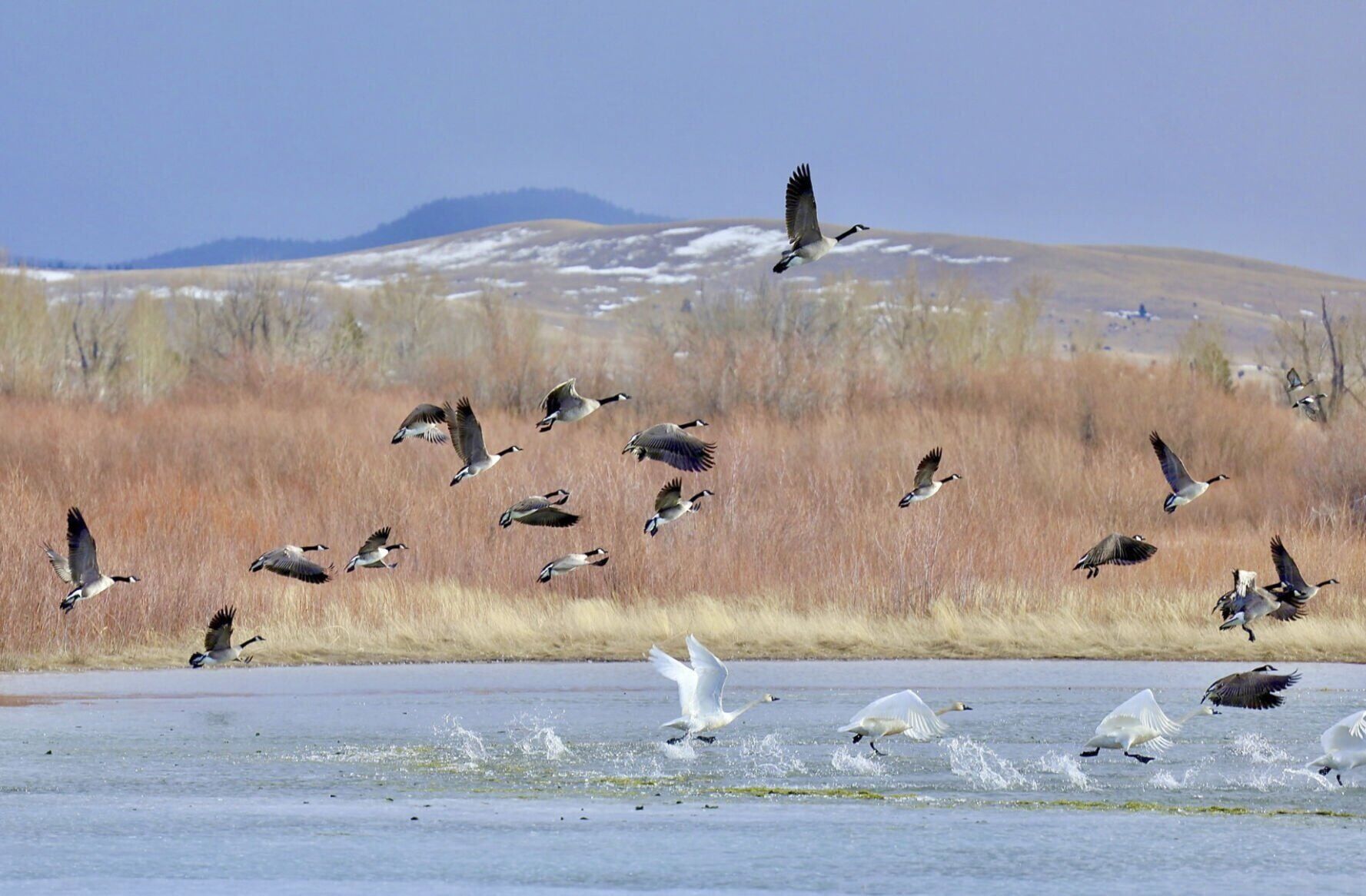
Quirky American coots regularly stop at the Warm Springs Ponds during migration seasons. When they do, it’s often in the tens of thousands.
Many other species of waterbirds favor the Warm Springs Ponds during migration and breeding. The settling ponds network is a profoundly better alternative than the bird-snuffing Berkeley Pit to the east.
But do the thousands of birds that stop at the Warm Springs Ponds demonstrate biological exposure to heavy metals? Metals captured during the ponds’ long history of settling out sediments polluted by mining and smelting activities upstream?
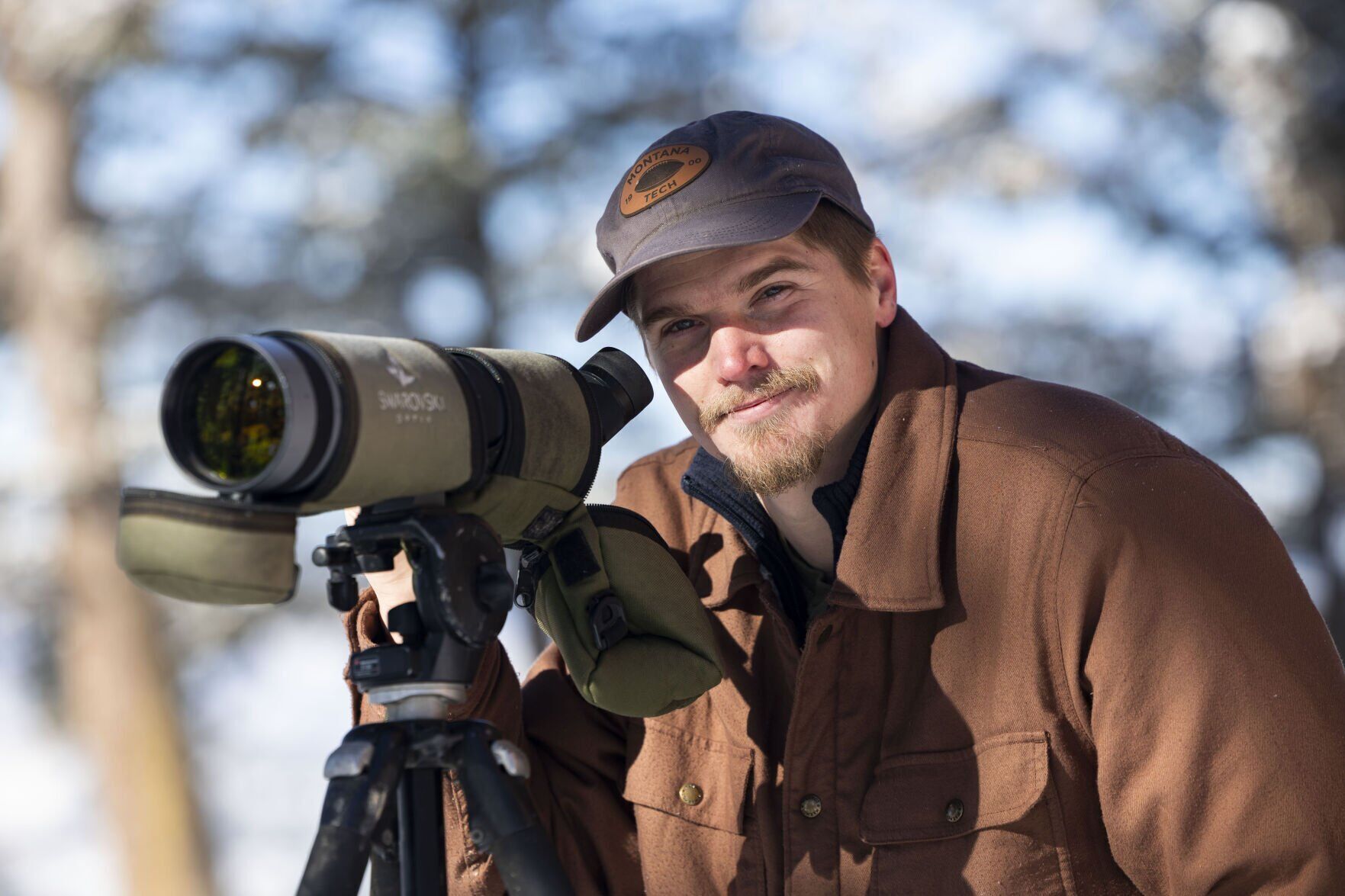
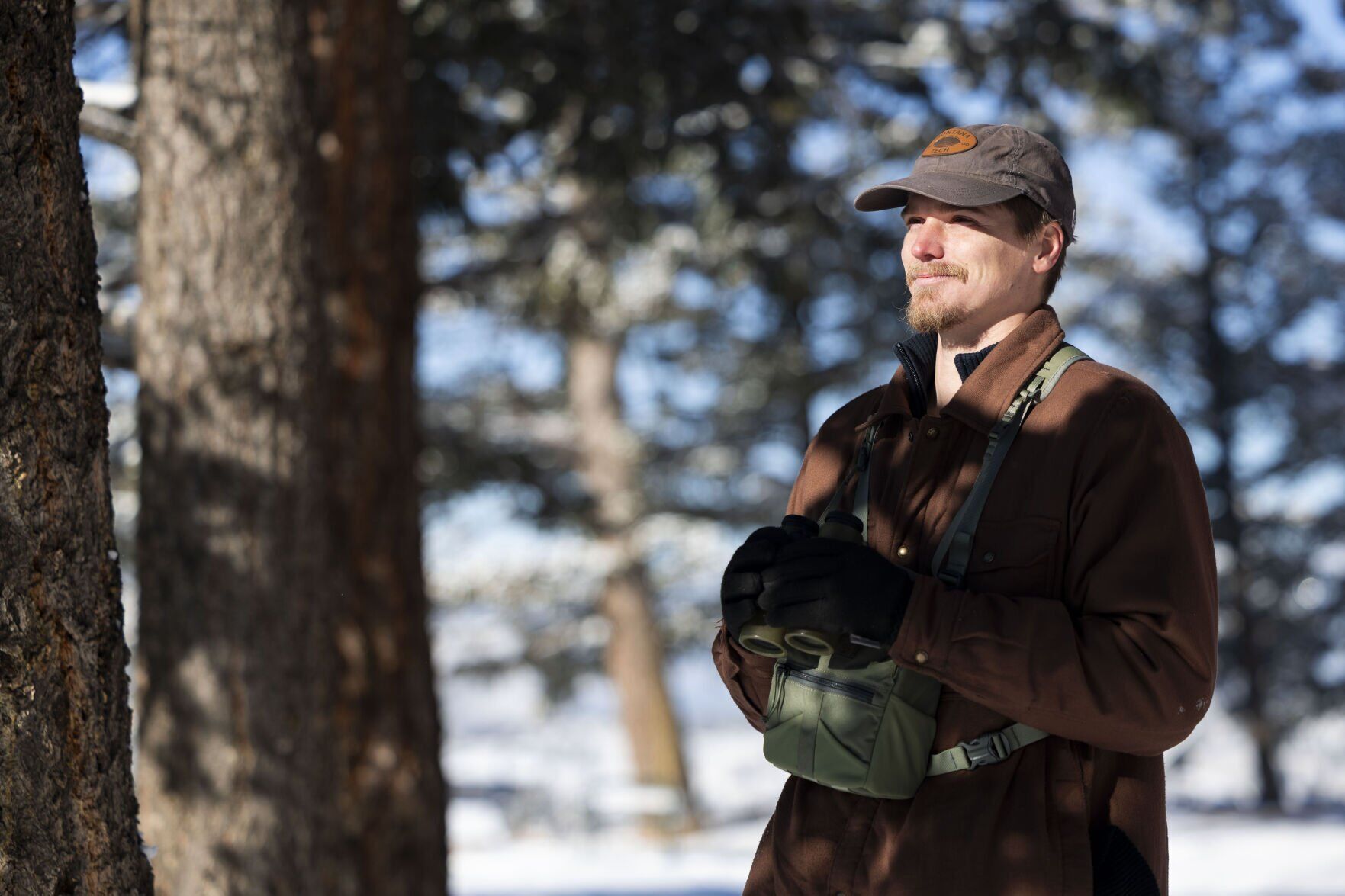
Caleb Lashway, 32, a graduate student in Ecological Restoration at Montana Technological University, hopes his master’s thesis research project will help answer that question.
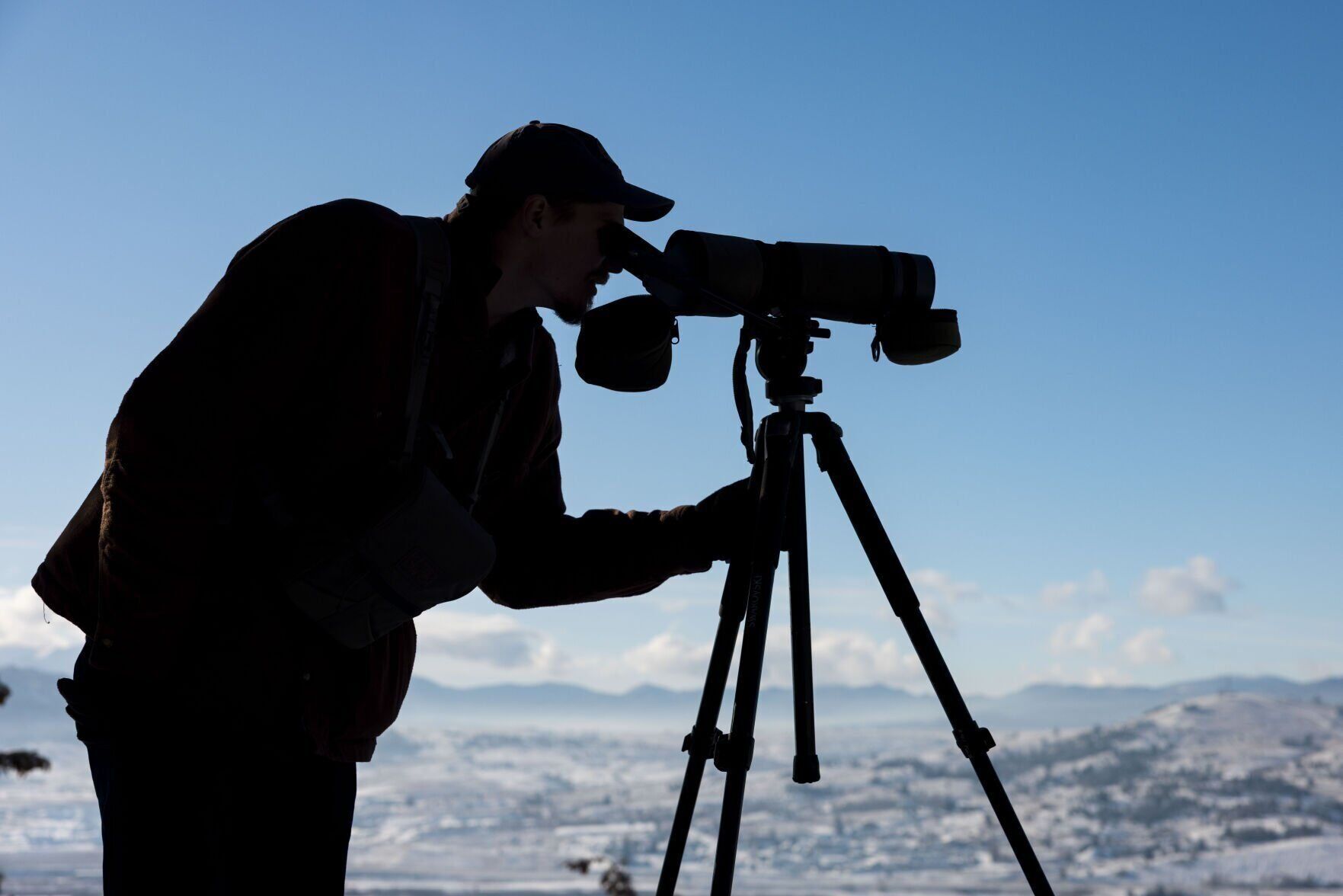
Through GoBird Montana, Lashway has conducted bird counts for years at the Warm Springs Ponds for both Montana Fish, Wildlife & Parks and Atlantic Richfield. He theorizes that exposure for migrating waterbirds, which linger only briefly on the ponds before moving on, would likely be less than those potentially experienced by waterbirds stopping to breed and raise young.
But finding the nests of breeding waterbirds — hidden in brush, thickets and brambles — would be a daunting quest, especially when considering Lashway’s goal of causing limited distress to the birds.
“A thermal drone will tell me how many birds are nesting along the edges of the ponds and away, in the upland areas nearby, and get a much more accurate idea of how many birds are actually breeding out there,” he said.
He described his research thesis during a Feb. 18 Restoration Seminar presentation at Montana Tech.
The thesis title is “Warm Springs Waterbird Feeding Strategies and Heavy Metal Bio-uptake.”
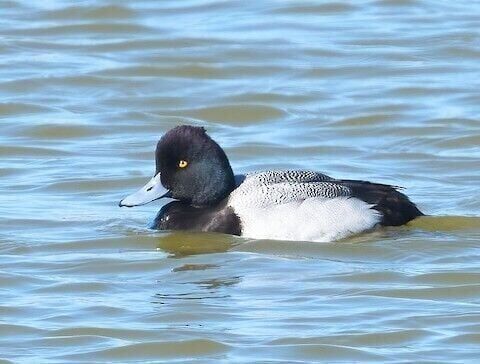
Lashway plans to gingerly collect an egg and feather from a nest of his target species, which are: double-crested cormorant, lesser scaup, eared grebe and gadwall.
He said he chose these species because of their relative abundance on the Warm Springs Ponds and because each focuses on a different menu of food items — ranging from primarily aquatic plants to vertebrate prey, such as fish and frogs.
The drone with thermal capacity will help locate nests by identifying the heat generated by a bird on nest.
Then, Lashway will visit the nest.
“I’m going to take a single egg and take a single shed feather from a parent,” he said. “If there’s only one egg in the nest, I’m going to leave it and go on to the next nest.”
Lashway took questions after his Restoration Seminar presentation and was peppered with inquiries. Many focused on the potential for the research project to disturb breeding birds. Lashway recited a host of ways he intends to lessen the project’s stress, including flying the drone at a certain altitude.
He began his presentation with a brief history of the Warm Springs Ponds. The ponds have become a sort of unintentional sanctuary for wildlife, he said.
“These ponds were created with the intention of protecting human health,” Lashway said. “Wildlife was not on the menu.”
But, undisturbed by development and only modest human visitation, the sanctuary evolved, he said.
The Warm Springs Ponds network, built over a span of about 50 years, includes three settling ponds designed to capture tailings and other contaminated sediments flowing down Silver Bow Creek from Butte, about 27 miles upstream.
The Anaconda Copper Mining Company constructed the ponds to try to keep mining and smelting-related pollution out of the Clark Fork River. Pond 1 was built around 1911, following a powerful flood in 1908 that deposited mining and smelting wastes along the river’s floodplain all the way to the Milltown Dam. Pond 2 followed around 1916 and Pond 3 during the late 1950s.
Pond 1 no longer captures sediment.
The 2,600-acre Warm Springs Ponds site is within the larger Silver Bow Creek/Butte Area One federal Superfund site. The three settling ponds contain an estimated total of 19 million cubic yards of sediment. One cubic yard is roughly equivalent in size to a conventional washing machine.
EPA spokesperson Mackenzie Meter provided responses last week to questions about the Warm Springs Ponds, where Atlantic Richfield is responsible for remediation because of its 1977 purchase of the Anaconda Co., the original polluter.
“EPA has not conducted similar research as the master’s student is presenting on, and we are not aware of similar studies conducted by Atlantic Richfield,” Meter said.
“In the near future, EPA is planning to assess risk to several species of birds that use aquatic environments such as osprey, kingfisher, bald eagle, swallow and mallards,” she said. “This assessment will estimate their exposure to site metals based on measured concentrations in their diets — concentrations within invertebrates or fish — water and sediment.”
Meter said Atlantic Richfield will conduct the study with agency oversight. There are no plans to collect bird tissue or eggs because exposure to heavy metals does not necessarily mean an adverse impact is occurring, she said.
For years, a debate has raged about the future of the Warm Springs Ponds. Should the ponds be closed and the contaminated sediments removed to a repository to guard against the catastrophic re-contamination of the Clark Fork River downstream? Or should they remain, a refuge for wildlife and recreation, adequately reinforced to prevent dam failure?
“EPA is moving forward with the first steps toward a final cleanup decision for the ponds by developing the ecological risk assessment,” Meter said. “This risk assessment will be reviewed and updated as the ponds [network] progresses through upcoming phases.”
Final plans for remedial activities at the Warm Springs Ponds will follow progress in upstream cleanups, she said.
EPA says “controls are in place to prevent future residential development, swimming and consumption of fish by humans.”
Meanwhile, Lashaway grew up birding.
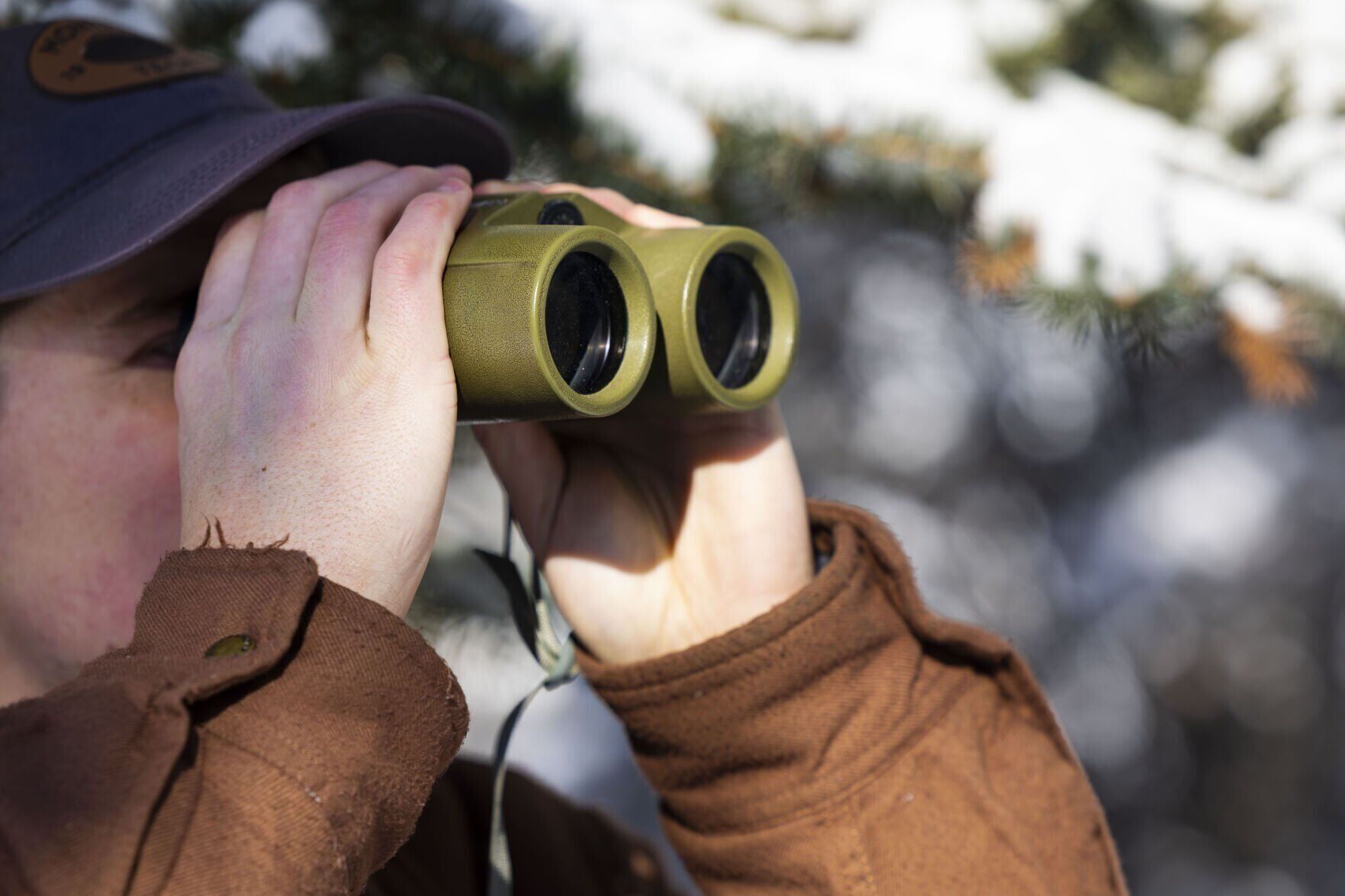
“I struggled to find pictures of me in high school without binoculars on,” he said.
Grandfather Gary Swant is a highly regarded bird expert and author.
Lashway plans to begin his field research in April and continue in September and October during migration seasons.
And he hopes to graduate in May 2028.


Comments ()