
Watchdogs chafe at snail's pace EPA review of Butte lead level comments
The warm, fuzzy feelings survived about as long as a parched snow goose in the Berkeley Pit.
The Environmental Protection Agency announced in October a proposal to drop the cleanup level for lead in residential soils and interior dust from the long controversial 1,200 parts per million to just 175 ppm. Regional watchdogs of federal Superfund remediation celebrated the proposal.
PPM typically refers to the concentration of a substance in water or soil.
EPA solicited public input about the proposal until Valentine’s Day. The agency said it would prepare a “responsiveness summary” to address comments and concerns. That task continues, according to Mackenzie Meter, a spokeswoman for EPA. The agency said it received hundreds of comments.
“The site team continues to review and develop responses to the substantial comments received as part of the public comment period,” Meter said in a recent email.
“We are actively and diligently working through this process,” she said. “However, some of the comments we received require coordination at the national level, as they address issues impacting multiple sites across the country.”
Meter said responsiveness summaries generally take several months to complete. She said she could not provide an example of a comment requiring coordination at the national level.
“I can’t discuss specific examples of comments until the responsiveness summary is complete and released to the public,” she said. “You might think about it in terms of factors that could have broad applicability across other sites that are also affected by lead.”
The Montana Standard asked whether staff cuts at EPA have played a role in slowing the process. Meter’s response side-stepped a direct answer.
“The Montana Superfund office continues to meet statutory obligations,” she said. “We are committed to enhancing our ability to deliver clean air, water and land for all Americans.”
Residents of Butte-Silver Bow County have waited since 1987 for that to happen. That’s when EPA added Butte to the agency’s National Priorities List.
The dispute in Butte about lead levels has a long history.
EPA toxicologist Charlie Partridge justified the 1,200 ppm action level by saying lead was not as bioavailable in the hard rock wastes in Butte as in the copper smelter wastes in Anaconda, where the action level was 400 ppm.
Butte residents countered that the Mining City also had smelters operating for years, depositing emissions contaminated with lead and other metals, and that emissions from the towering smelter stack in Anaconda also wafted over on occasion.
EPA defines “bioavailability” as the amount of a contaminant absorbed into the body following skin contact, ingestion or inhalation.
Children are especially vulnerable to lead in soils, lead paint and other sources. The Centers for Disease Control and Prevention has observed there’s no safe level for lead in children.
Dr. Seth Cornell is an internal medicine physician in Butte, a member of the Butte-Silver Bow County Board of Health and a longtime critic of the EPA’s lead action level in Butte.
“No level of lead is safe in children,” Cornell has said. “Certainly, the EPA knows this irrefutable fact.”
Children are especially susceptible to the neurologic effects of lead toxicity because their nervous systems are still developing.
The stakes are high when agencies establish benchmarks for soil action levels and blood lead levels in children. Research has established that children absorb lead in their bodies at a significantly higher rate than adults.
Potential consequences for children are stark.
According to the CDC, “even low levels of lead in blood can cause developmental delays, difficulty learning, behavioral issues, and neurological damage. The effects of lead poisoning can be permanent and disabling.”
Protecting children in Butte-Silver Bow has been a rallying cry for many. Fritz Daily, a former seven-term state legislator, lifelong Butte resident and longtime Superfund watchdog, is among them.
"The decision is extremely essential if Butte is to ever receive a proper cleanup and most importantly establishing responsible lead and arsenic soil removal 'action levels', thus making Butte a safe and healthy community for our children to live in," Daily said. “Nothing less should ever be accepted. Taking over four months to make such an important decision is unconscionable and should never be accepted.”
Don “Moose” Petritz of Butte expressed similar thoughts.
“I find it hard to believe that what seems to be an obvious change is taking so long for review of comments and how much longer it will now take to review those comments,” he said. “As I said at the council meeting several months ago, my grandchildren will be in their 50s before anything is done. They are 10,12 and 14.
“This is ludicrous,” Petritz said. “My trust in the EPA to do what is right has passed. They just don’t seem like they care about the lives of people here in Butte.”
Like Daily and Petritz, others wonder why EPA is taking so long to complete the responsiveness summary, one step toward formalizing the change in lead action level and toward an enforcement action with Atlantic Richfield, a subsidiary of bp America.
Meter declined to comment on the latter.
“Generally, yes, a responsiveness summary is completed as part of a Record of Decision amendment,” she said. “I can’t comment on any potential future enforcement action at this point in the process.”
Under federal Superfund law, Atlantic Richfield is deemed responsible for paying for remedial work at sprawling Superfund sites in Butte, Anaconda and along the Clark Fork River.
On Monday, Cornell referenced Atlantic Richfield’s position as responsible party.
“I understand the snail’s pace at which things move in a federal bureaucracy but delays in making a decision largely benefit the bottom line of the primary responsible party — at the expense of the community’s health. I hope that is a quirk and not by design,” he said.
An EPA fact sheet about bioavailability observes, “Cleaning up arsenic and lead at Superfund sites can be an expensive proposition. The price tag for such remediation activities can reach into the millions of dollars per acre.”
Atlantic Richfield has declined comment on the EPA proposal to drop the lead action level in Butte.
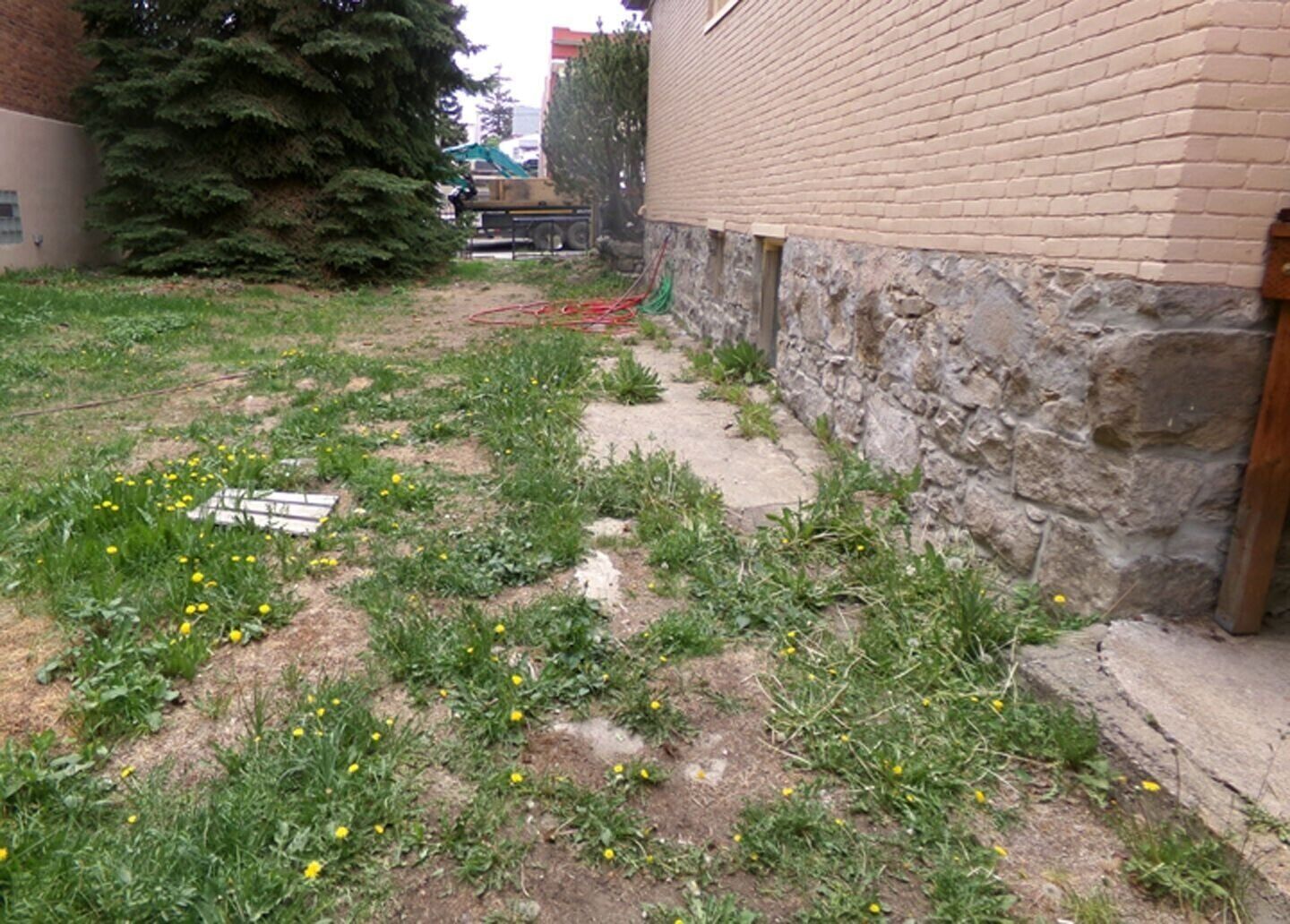
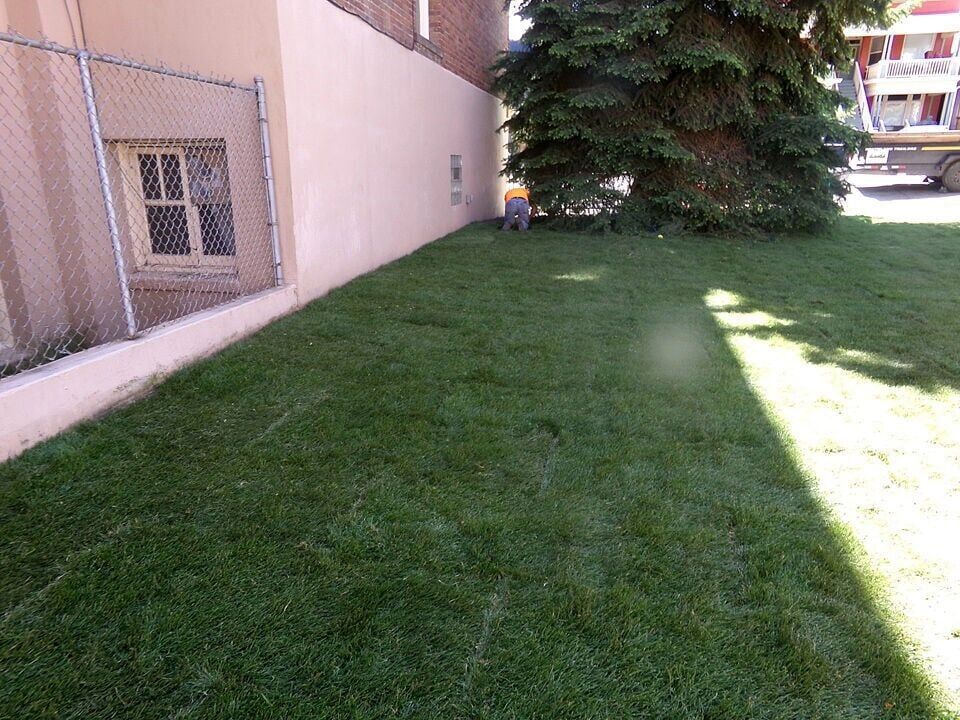
When EPA announced the proposal, the agency also reported a plan to expand soil and interior dust sampling and potential remediation to more neighborhoods — potentially adding 7,253 homes.
That announcement was also celebrated. With one big sticking point — the 25-year timetable for completing the work.
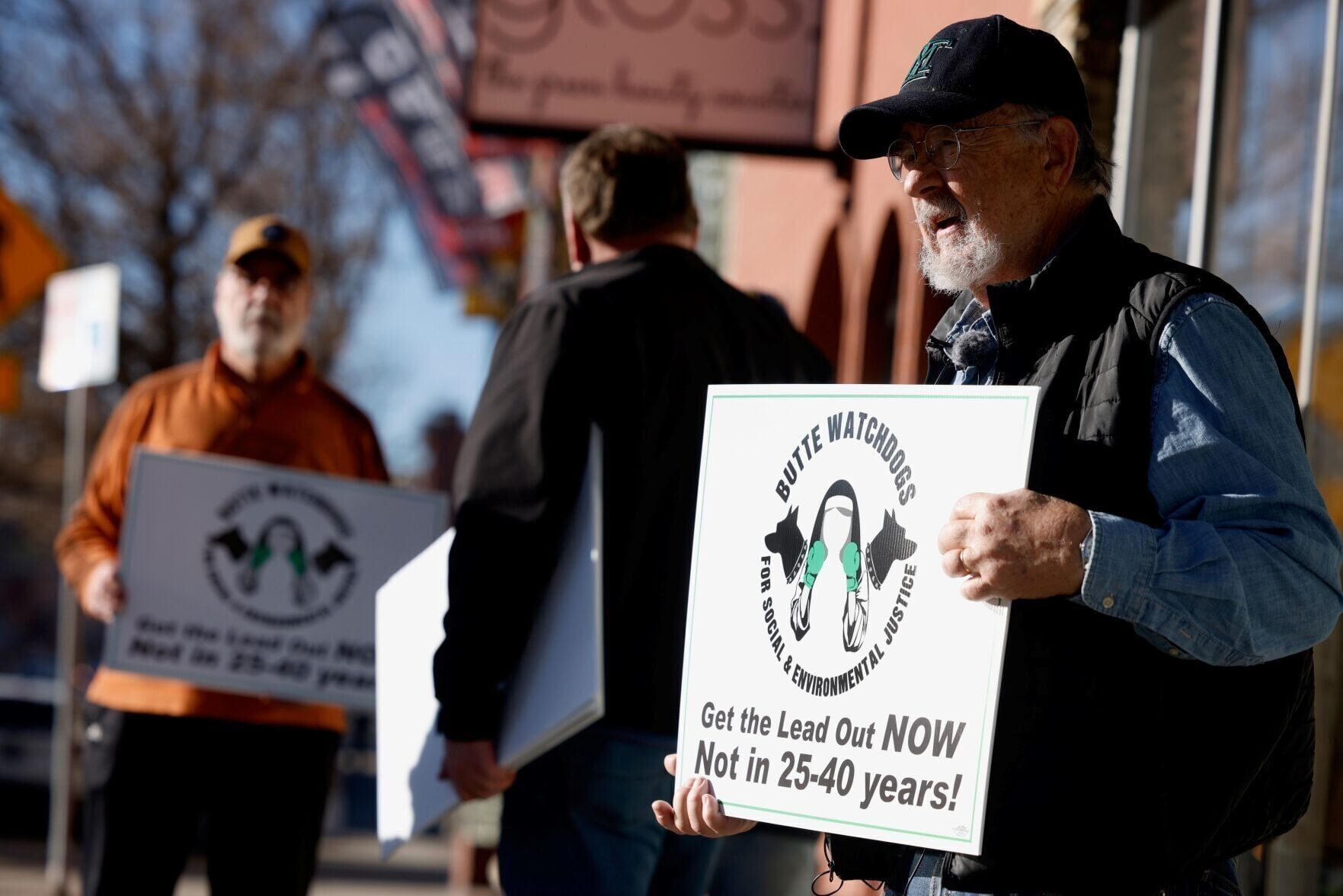
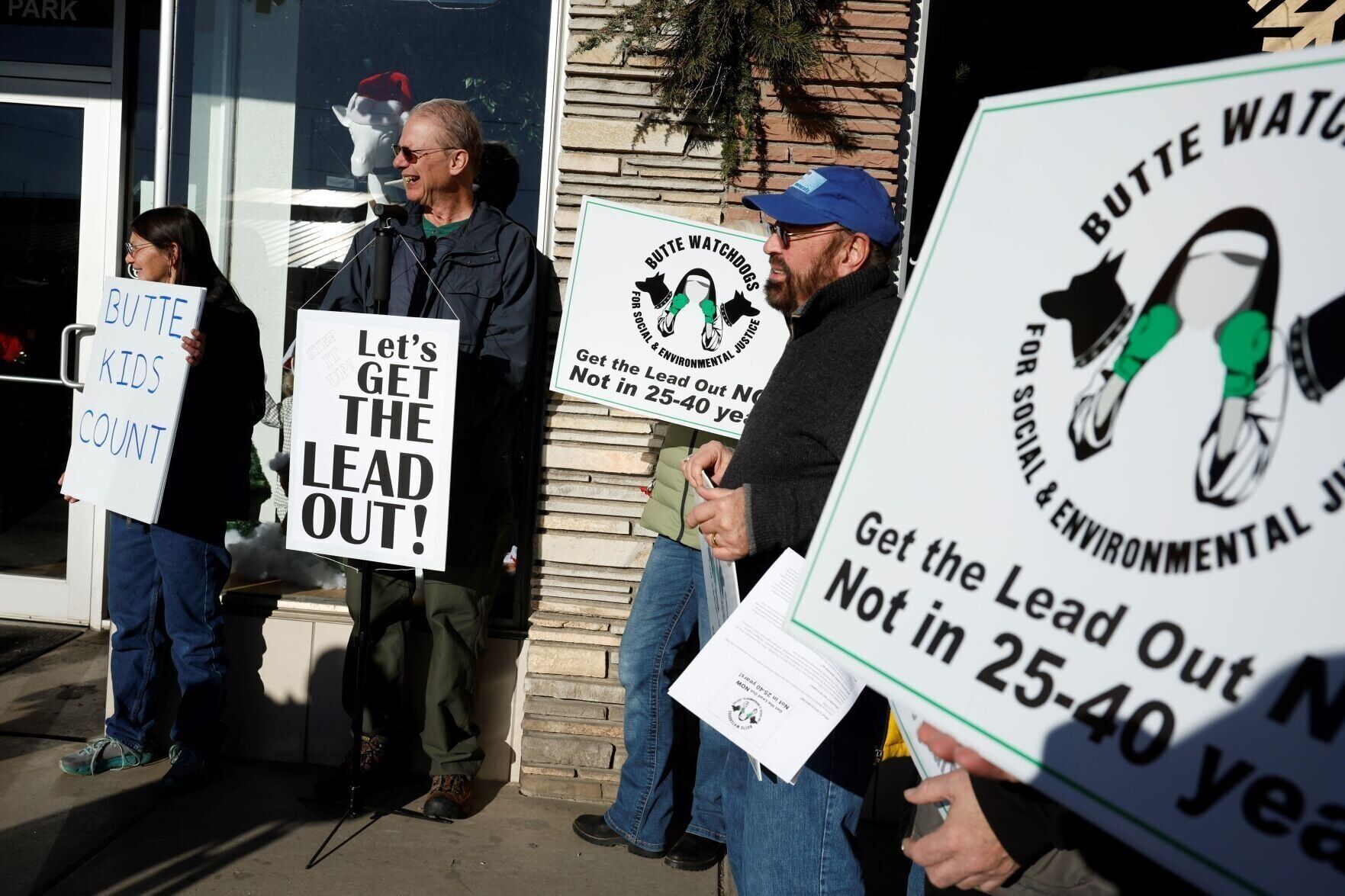
The Butte Watchdogs for Social & Environmental Justice organized a protest in early February, calling for an accelerated approach.
The Butte-Silver Bow Board of Health supported expanding the boundaries for testing and remediation. But it too lamented the timeline in formal comments to EPA in February.
“While we acknowledge the complexities of the cleanup process, we believe that prolonging the timeline for an additional 15 years for testing and 25 years for full remediation will unduly prolong human health risks and exacerbate existing challenges within our community,” the board commented.
“First and foremost, the extended timeline means that residents will continue to be exposed to harmful contaminants for many more years, unnecessarily extending the public health risks associated with historic mining and smelting activities,” the board said.
Prolonging the actions intended to address lead contamination would also extend the Superfund stigma for Butte-Silver Bow County, the board said.
The Board of Health’s comments suggested proper funding and support could shorten the timeline without compromising the cleanup’s effectiveness.
“Reducing the timeline will minimize ongoing health risks, alleviate the stigma associated with the Superfund site, and help restore the community’s confidence in the cleanup efforts,” the board said.
Daily said adoption of the new lead action level could bode well for a community long saddled with mining- and smelting-related pollution and the stigma of Superfund designation.
“It presents a unique opportunity for the community of Butte-Silver Bow to establish a proactive approach and change direction on Butte Superfund cleanup,” he said.



Comments ()