
'We're in trouble': Legislative panels sound alarm over southwest Montana rivers
The chairman asked for succinct and Jim Keane of Butte delivered.
“We’re in trouble,” he said.
Keane, a former legislator, is a citizen member of the Environmental Quality Council. It met Wednesday morning in Helena to discuss Montana’s rivers and hear from the members of three panels — one focused on river health, one tackling river recreation and a third addressing nutrient pollution and algae.
Two themes emerged: Time is of the essence. And solutions are going to take money.
Given climate change and the diminished snowpack referenced by Keane, and given Montana’s growing population and other challenges, the stakes are high — for water quality, for recreation, for coldwater fisheries, for rural economies dependent on the fishing industry.
Sen. Willis Curdy, D-Missoula, an EQC member, shared a related concern.
“Our fishing industry in Montana is going to take a big hit,” he said.
Montana River Recreation
Mike Bias, executive director of the Fishing Outfitters Association of Montana, said there are misconceptions about how many outfitters and guides are sharing rivers with recreationists. The percentage is small, he told the council.
Bias was a member Wednesday of the river recreation panel, along with Randy Arnold, Director of Lands, Culture, and Recreation for Missoula County and a former outfitter and employee of Montana Fish, Wildlife and Parks, and Charlie Sperry, a fishing outfitter who worked for FWP for 22 years developing policies and plans for recreation and outfitting on Montana's rivers.
Another member was Steve Luebeck, board treasurer for the Big Hole Watershed Committee and a director for the George Grant Chapter of Trout Unlimited.
Luebeck, who has been involved in numerous river management efforts, said commercial use is increasing and that limits on commercial outfitting on rivers is commonplace in the West, but not in Montana, though there are limits on the Big Hole and Beaverhead rivers and permits required on other rivers.
“If Montana fails to enact commercial use limits on major rivers, similar to all other Western states, this problem will only increase,” Luebeck said.
Sperry said the state has created citizen advisory councils in the past to advise about rivers and recreational use and then ignored their input.
“A lot of these recommendations just sat there,” he said, a situation he described as heartbreaking.
He said these citizens groups often wanted data about river use that wasn't available.
Sperry said FWP needs more employees and money to gather data and address river crowding and related social conflicts.
“How do we manage use on these rivers?” he said.
The EQC has oversight duties for the Department of Environmental Quality, FWP and the Department of Natural Resources and Conservation.
The EQC’s personnel includes a dozen appointed legislative members, both Republicans and Democrats, and four public members.
Rep. Paul Fielder, R-Thompson Falls, a retired wildlife biologist, is chairman.
Rep. Tom France, D-Missoula, opened the discussion.
“I think we all, as members of the Legislature, understand that rivers embody so much of Montana,” he said. “They make movies about our rivers. Now they're making television shows about our rivers. And in my five decades in the state, the attachment and use of our rivers has grown and continues to grow.”
France said the challenges facing the state’s rivers are “almost less about the rivers themselves and how we interact and how we use those rivers.”
Montana River Health
Mike Duncan, Region 3 fisheries manager for FWP, served on the river health panel.
He referenced well-publicized population declines of trout in the Big Hole, Beaverhead and Ruby rivers over the last several years and efforts, such as tributary reconnections, to bring more cold water to the river.
Duncan mentioned discussions through the years of rebuilding the Pattengail Dam to create a reservoir to release summer flows. The original dam failed in 1927, flooding Wise River and causing four deaths.
He acknowledged that even if such a dam and reservoir made it through the permitting process, the cost would likely be prohibitive.
“We don’t have much influence over the water in a meaningful way that will affect these fisheries, but there are tools, with the support of the [Fish and Wildlife] Commission, where we can enact angling regulations, gear restrictions and that kind of thing, and maybe influence the fisheries,” Duncan said.
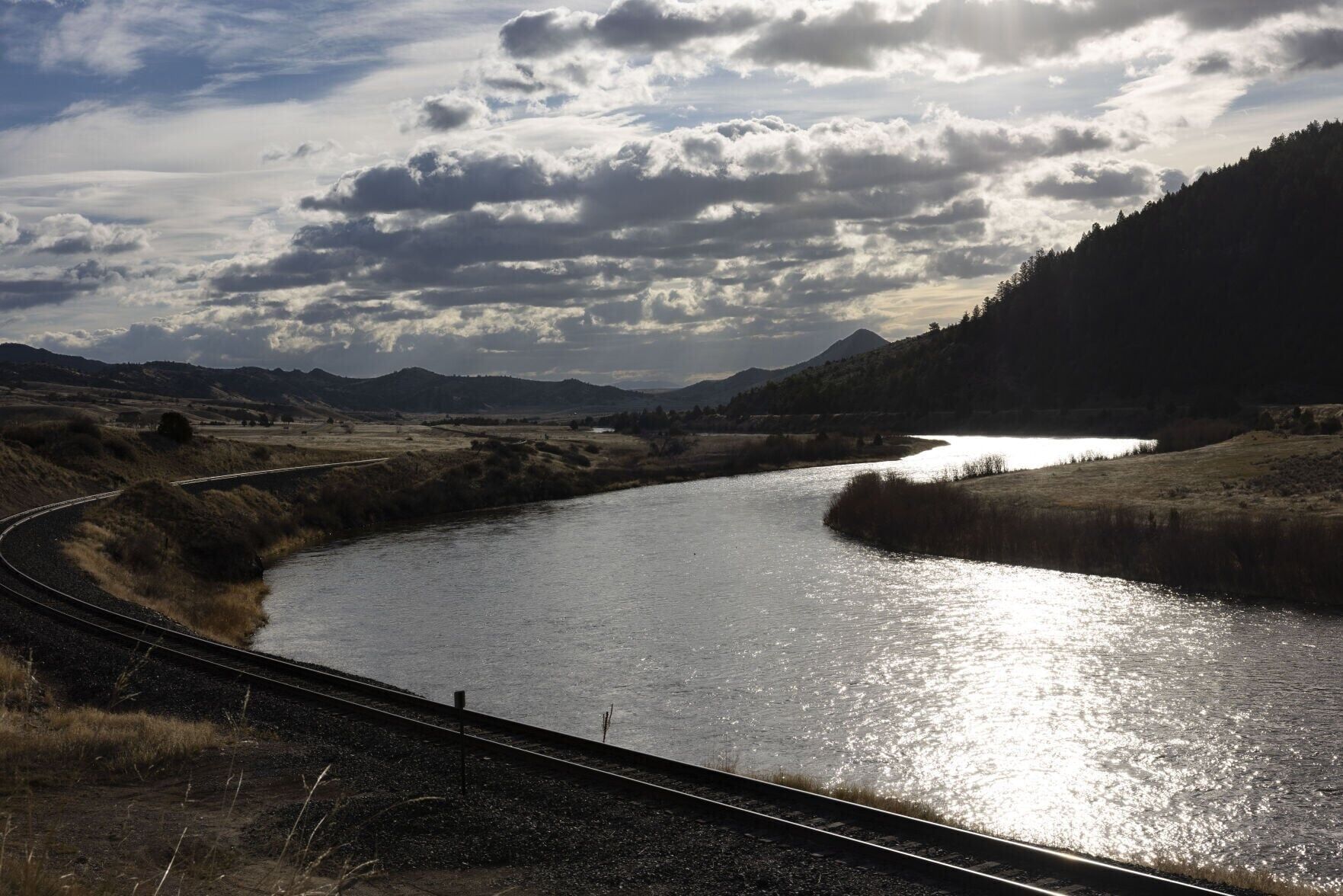
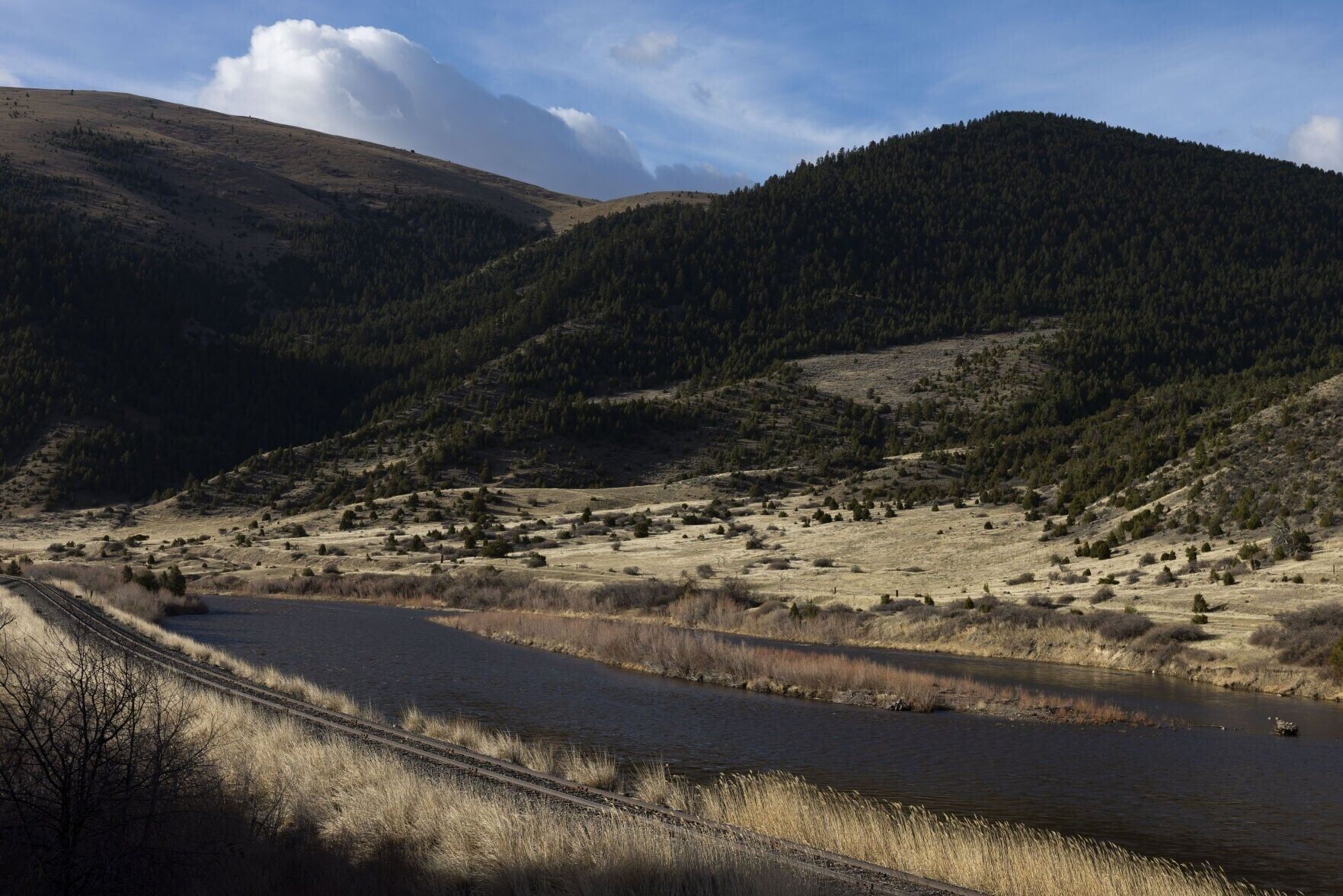
In low-flow years on the Big Hole and other rivers in the Jefferson River Basin, tensions between irrigators and fishing industry businesses regularly surface. The summer of 2026 seems destined to repeat that scenario.
Guy Alsentzer is executive director of the Upper Missouri Waterkeeper, a Bozeman-based nonprofit that has tangled with both DEQ and EPA about water quality standards.
“Really, what it comes down to is if we want to sustain fisheries, we’re needing to focus on this idea of making sure we have cold water, complex habitat and connected habitat,” he said.
Alsentzer said peer-reviewed water quality monitoring by Save Wild Trout, a Waterkeeper program, “has shown persistent exceedances of some of the key parameters that can affect fishery health and, more generally, recreation.”
He described chronic exceedances of nutrient pollution and water temperatures, decreased dissolved oxygen and miles-long algal blooms.
“There's overwhelming evidence that a majority of segments of these trout streams in southwest Montana are suffering from both low dissolved oxygen levels that will not support sustainably wild trout, [and] we are seeing temperatures that are far past viability,” Alsentzer said. “We're approaching lethality in terms of chronic and acute factors, and we're also seeing again, nutrient loading that is certainly causing and contributing to the miles-long reaches of algal blooms that are contaminating these waterways.”
Alsentzer and others said people concerned about the health of Montana’s rivers need to act.
“My viewpoint is we do not have the luxury of waiting a decade to do iterative studies, that, in fact, what both citizen science and the agency science is pointing out is that we need to be taking action now, that there is a level of urgency to come up with meaningful solutions, to implement those that actually measurably move the needle for waterway protection and improvement,” he said.
Nathan Cook is an environmental scientist with the state’s Natural Resource Damage Program. NRDP, funded by a settlement with Atlantic Richfield, works to restore or replace natural resources and support outdoors recreation lost to historic mining and smelting pollution.
Cook’s work has focused, in large part, on the Clark Fork River, first as a fisheries biologist for FWP and then as an NRDP staff member.
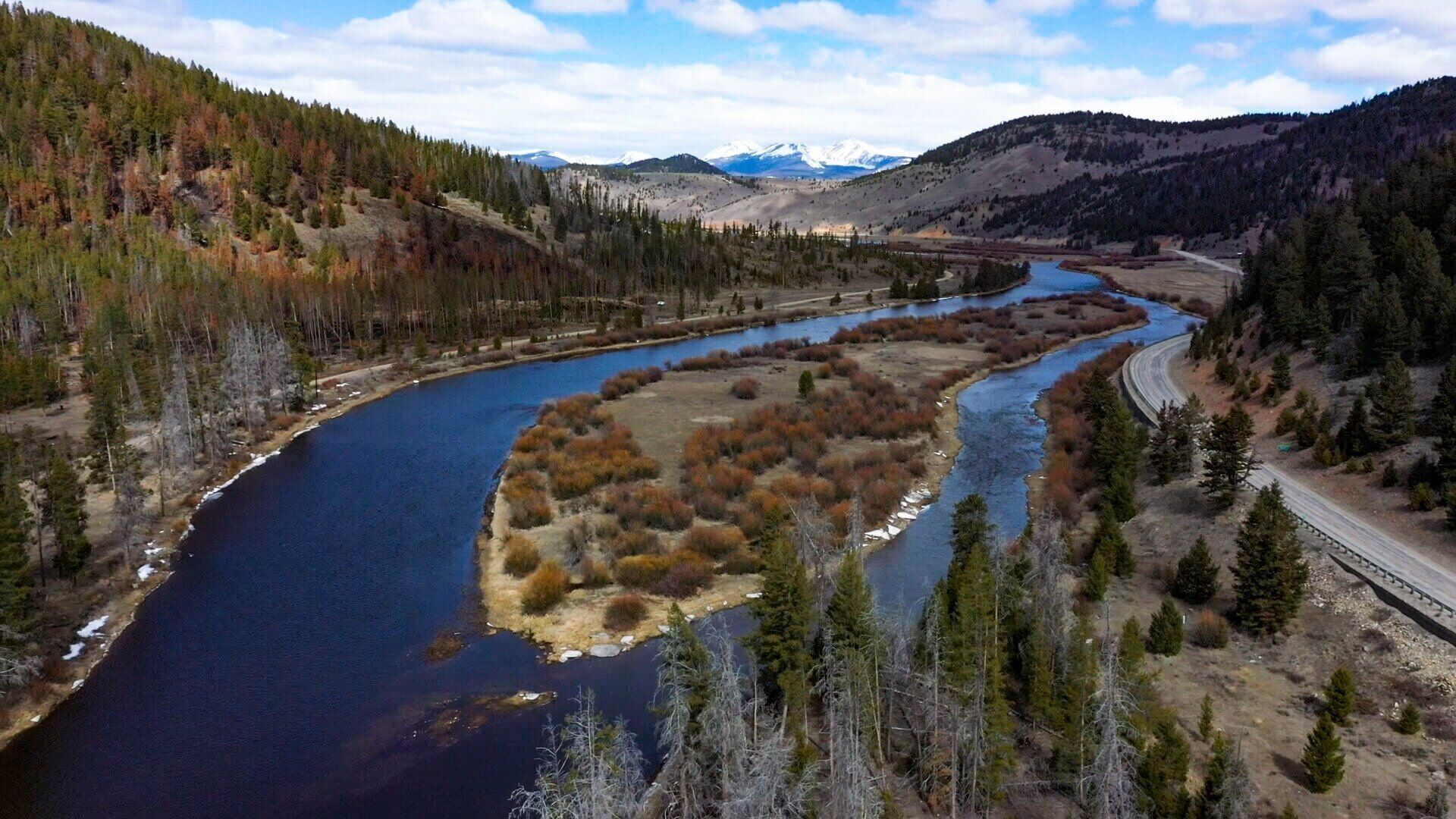
His presentation to the EQC focused on a plunge in the brown trout population in the upper Clark Fork River near its headwaters.
Cook said multi-disciplinary research continues to try to understand the causes, which might be interactive. Superfund cleanup work continues downstream, closer to Deer Lodge.
He said the designs for streambanks have been refined as the work has proceeded. In part, the changes are designed to recreate fish-friendly habitat more quickly.
The panel focused on nutrients pollution began with Lindsey Krywaruchka of DEQ.
She spoke positively about the agency’s switch to narrative standards for water quality from numeric standards, saying the narrative approach ultimately would yield more healthy water for ranchers and for drinking.
During public comment, Alsentzer returned to a microphone and disputed the embrace of narrative standards by Krywarucha and DEQ.
The numeric standards are more precise and protective, he said.
Meanwhile, Senate Minority Leader Pat Flowers, D-Belgrade, who is a former FWP employee, asked about a worst-case scenario after expressing appreciation for what he described as the agencies’ methodical and incremental approaches.
“My question is, is this fast enough, given the trend over the last 12 years, which is a steady decline in several rivers that you focused on, and climate projections for lower winter storage, longer, hotter and drier summers?” Flowers said. “Those expected climate change factors may move more quickly and overwhelm our methodical and incremental approach. If that's the case, we could have, in my opinion, a complete collapse in our fisheries in several of those rivers over the next decade.”



Comments ()