
Yellowstone elk took a cruise to New Zealand in 1905; their descendants are revered
Yellowstone National Park's elk are known to migrate hundreds of miles, but in 1905 seven cows and three bulls likely set a record — a distance of more than 7,500 nautical miles — when they took a cruise from Washington, D.C., to New Zealand.
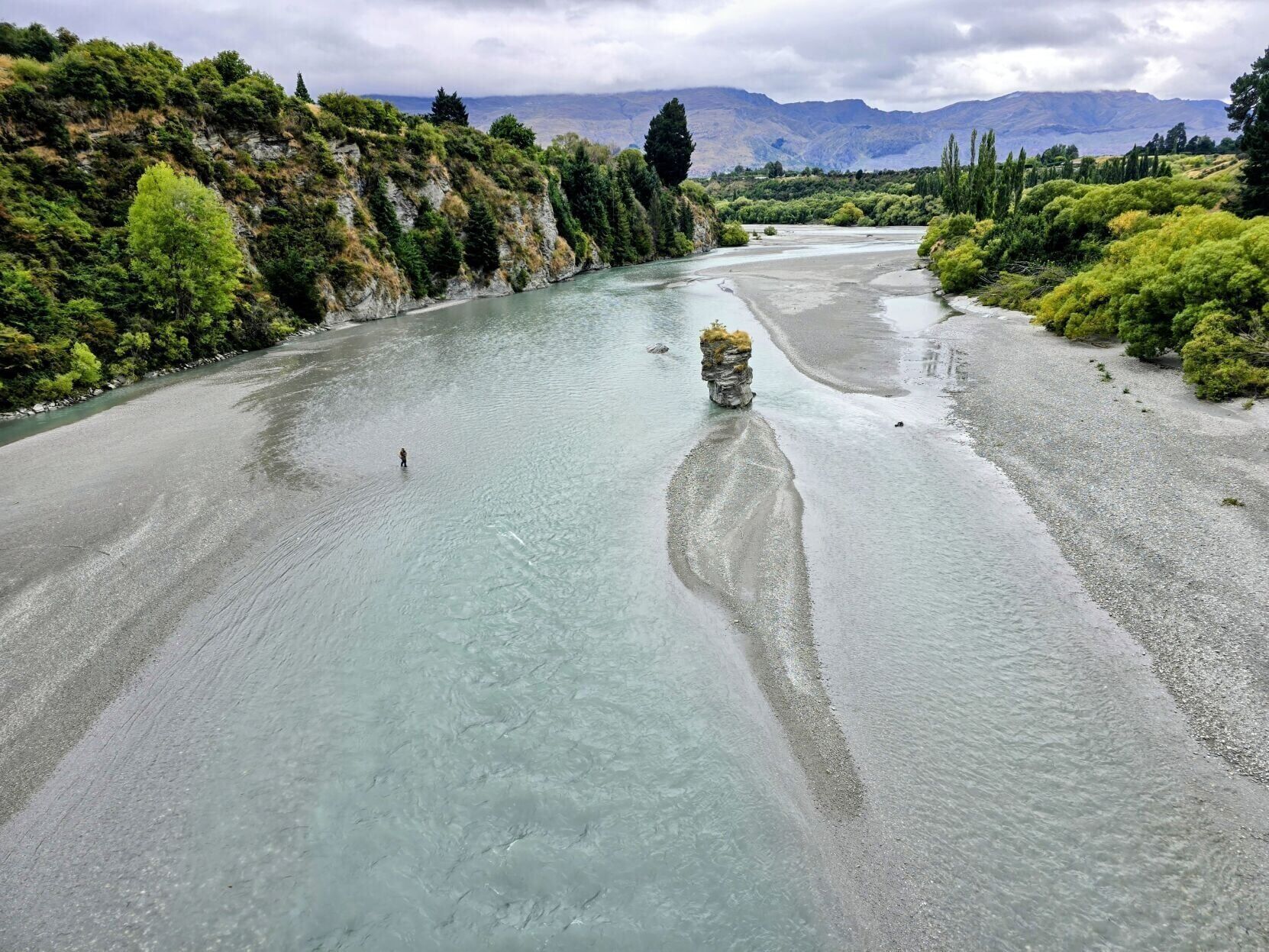
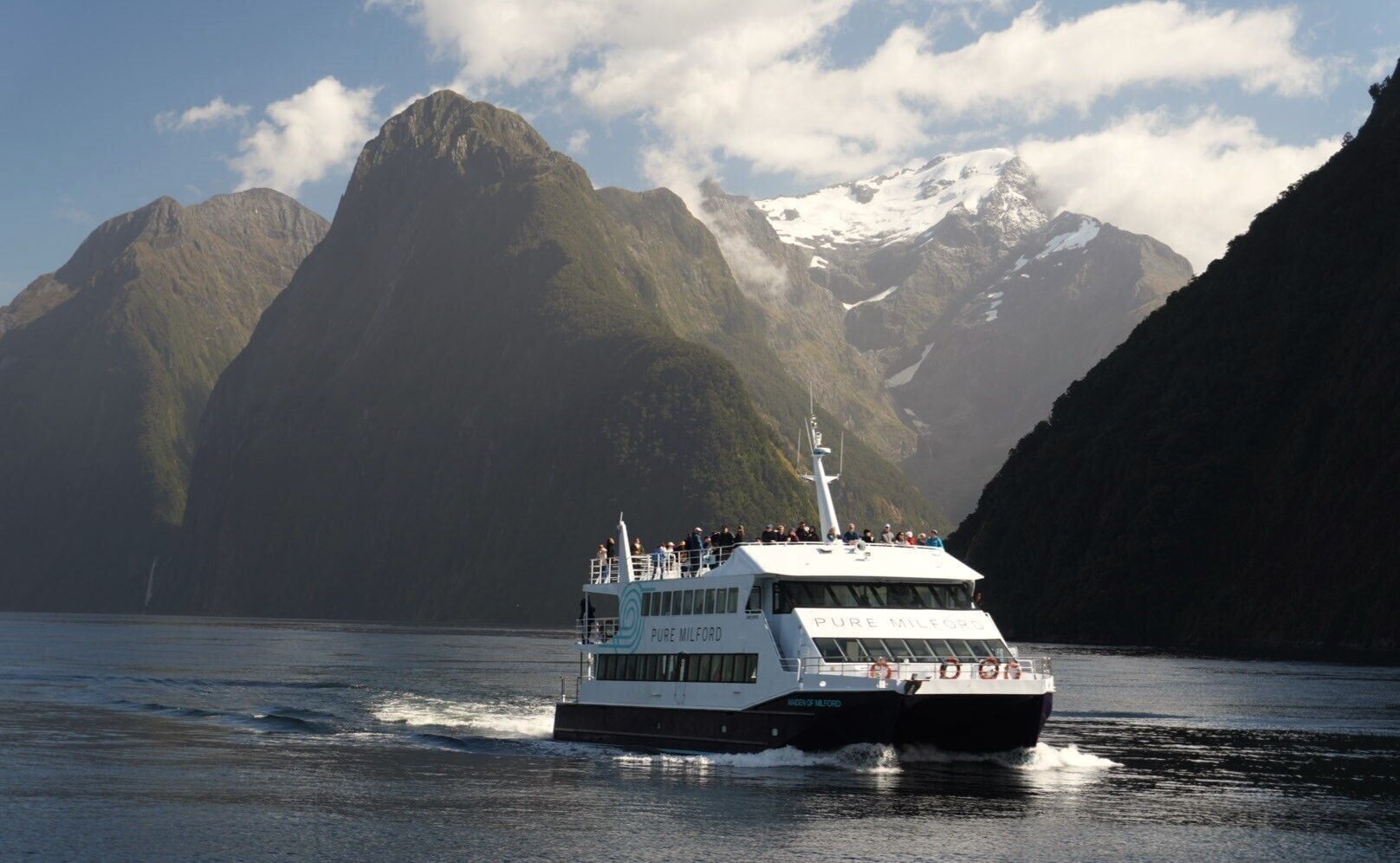
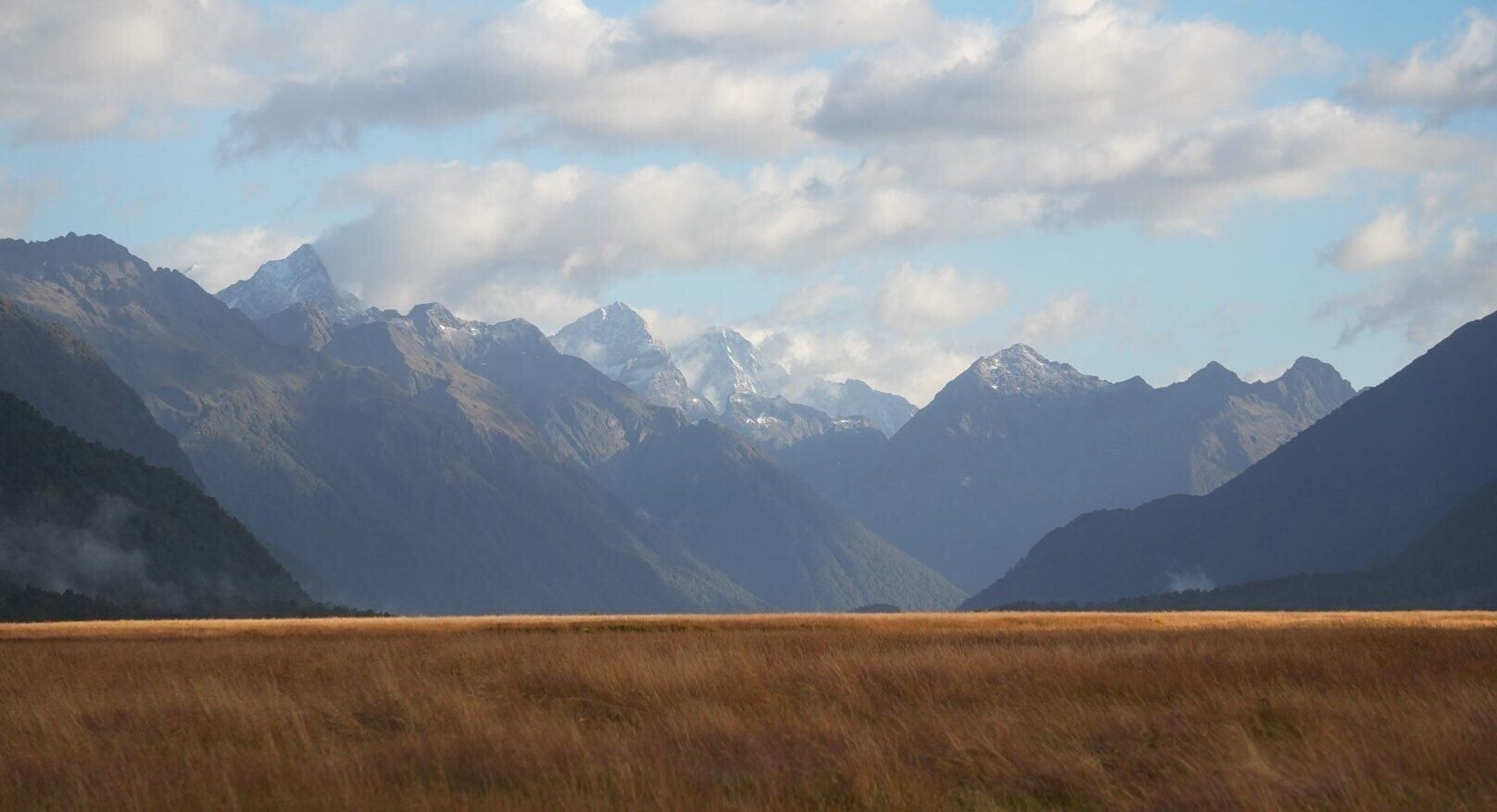
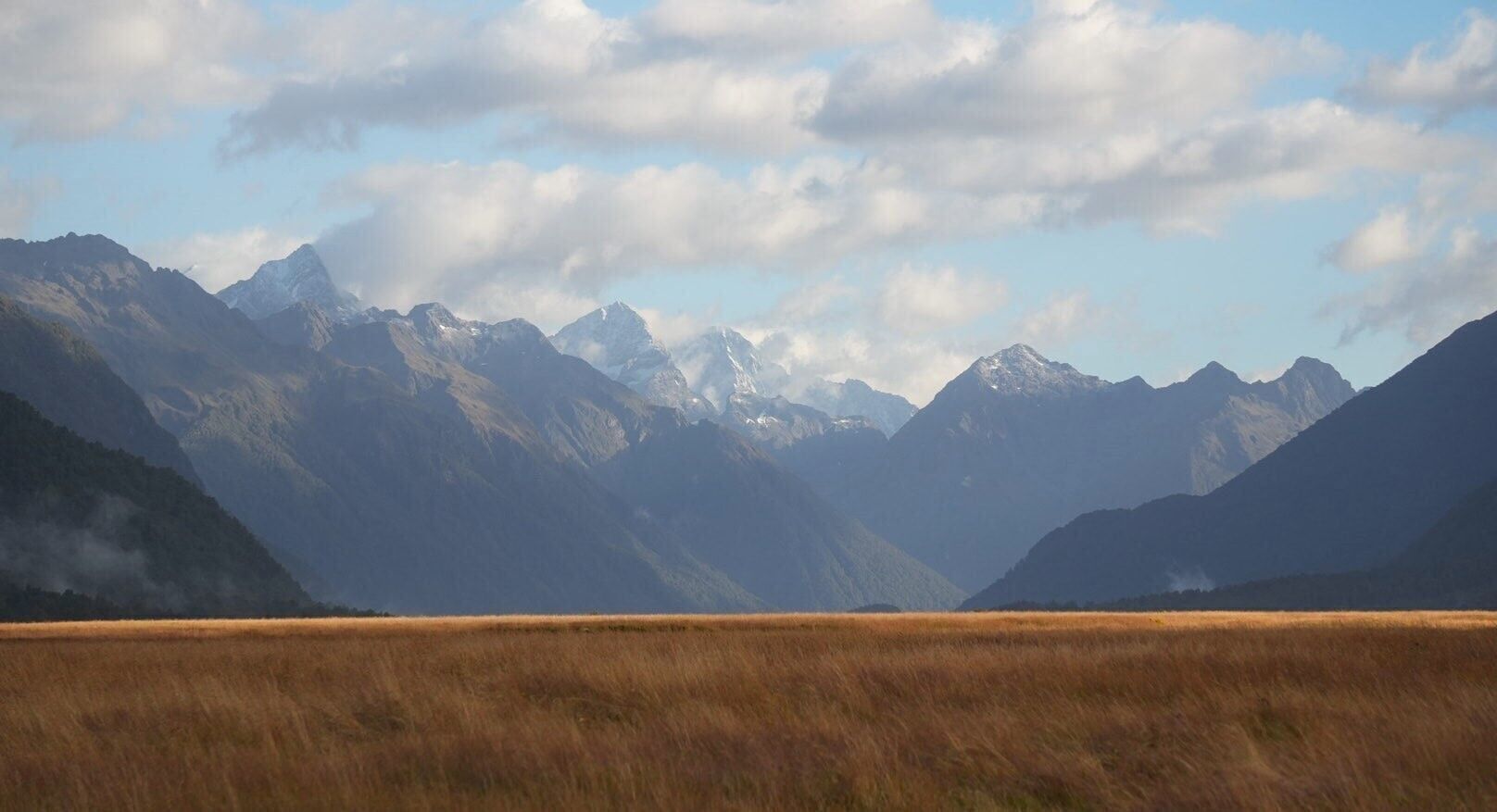
More than 120 years later, the descendants of these elk still roam Fiordland National Park. Established in 1952, it is New Zealand’s largest of 13 national parks at more than 2.9 million acres, or about 4,600 square miles.
With “ice-carved fiords, lakes and valleys, rugged granite tops and pristine mountain to sea vistas,” Fiordland is a beautiful alternative to being fenced in at the National Zoological Park in the nation’s capital. In 1986 the southwest corner of South Island was declared a World Heritage Area, according to the nation’s conservation department.
Former Billings Mayor Bill Cole and his wife Anne stumbled upon the animals during their recent visit to the country and notified the Billings Gazette about their unusual find.
“Some of them were donated by Teddy Roosevelt and others were purchased,” Cole said.
SAN FRANCISCO – Lake Fayson, chief inspector of fisheries of New Zealand, has arrived here for the purpose of gathering one million of the eastern whitefish and three hundred thousand salmon eggs to take back across the Pacific. – The Weekly Times-Picayune, Feb. 7, 1905
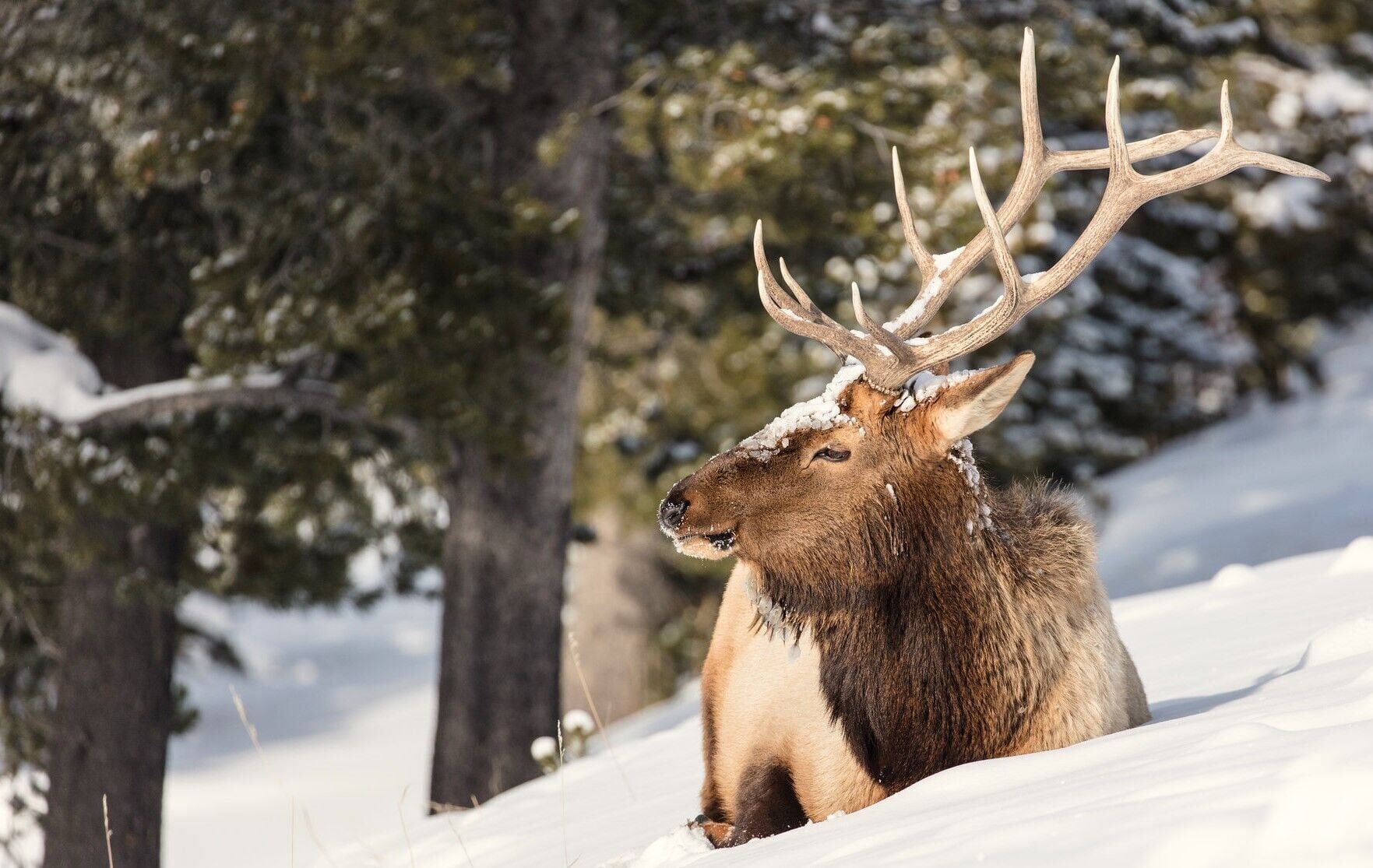
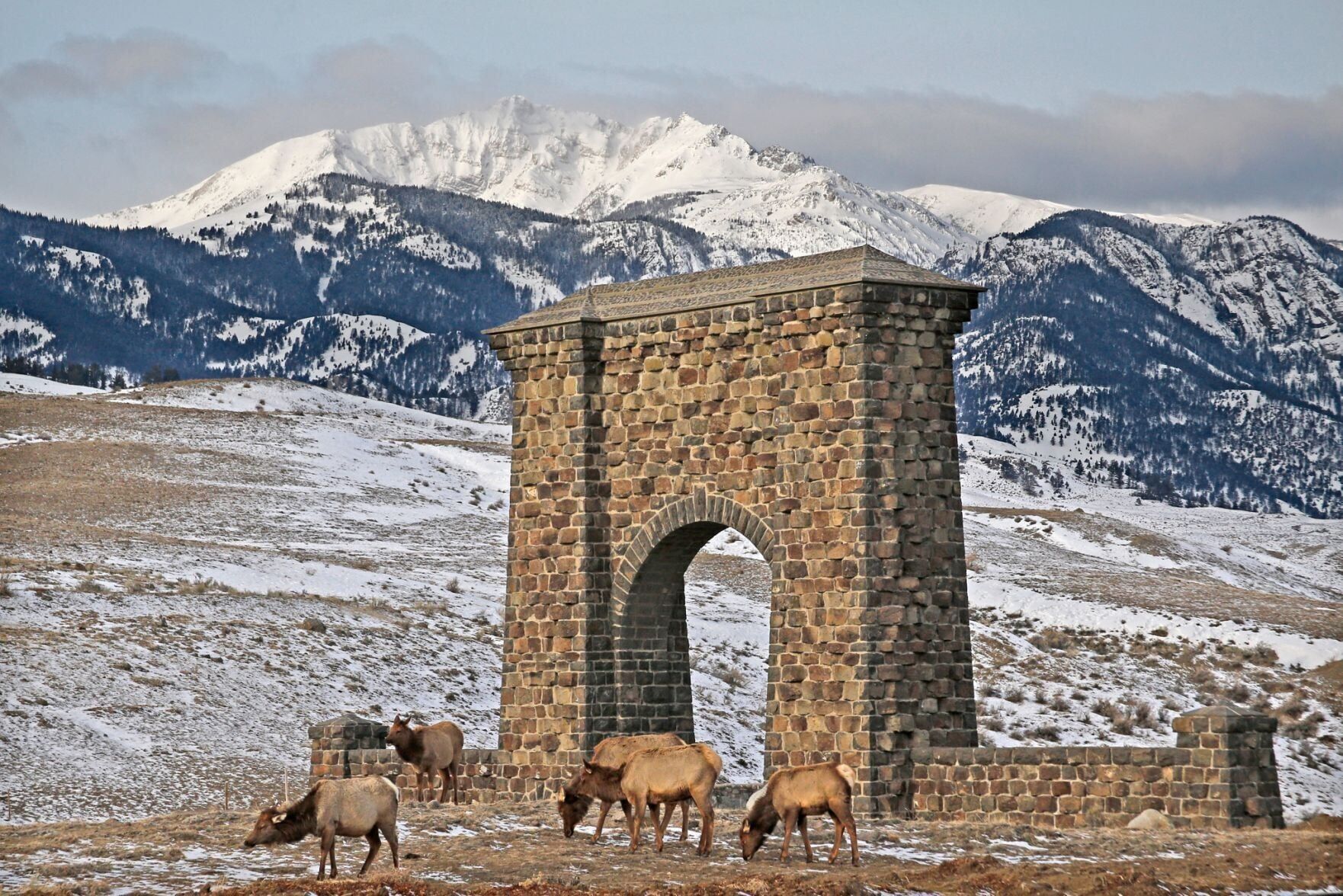
“Elk are the most abundant large mammal found in Yellowstone,” according to the National Park Service. In the summer, 10,000 to 20,000 elk are spread across the park in six to seven herds.
Despite the strength of the population now, in 1919 there were concerns the animals were going to be exterminated after leaving the park during an especially harsh winter. Frederic J. Haskin reported in an Arizona Republic story headlined “Wiping out the elk” that the animals were being slaughtered by the thousands by Montana and Wyoming residents.
“The Yellowstone elk herd is truly a national resource from which people all over the United States derive pleasure in some way,” he wrote.
“Some fifty shipments of elk have been sent from Yellowstone to twenty-five different states since 1912,” Haskin said. “Some of these have been small shipments for zoological parks, but many of them have been small herds for stocking purposes. In this way elk have been planted in Virginia, West Virginia, Pennsylvania, New York and other eastern states from which they had been exterminated almost a century ago.”
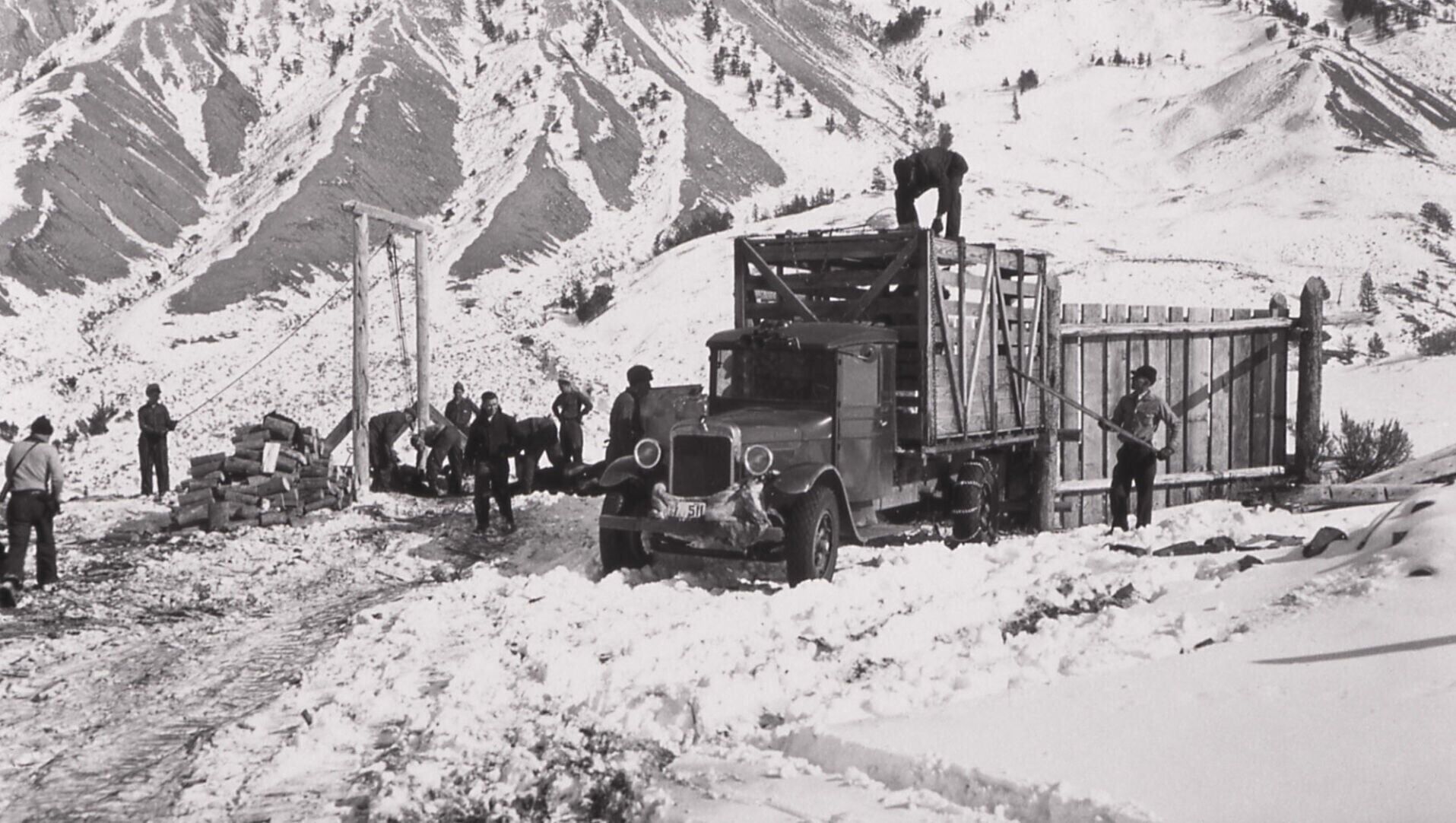
Hundreds of Yellowstone elk were also captured to create herds in Montana, starting in 1910 with the release of park animals near Butte.
Haskin's concerns about the welfare of wildlife were nothing new. In 1891 the acting secretary for the National Zoological Park in Washington, D.C., wrote the zoo would be “glad to receive” a shipment of live elk, “as many animals as can be secured.”
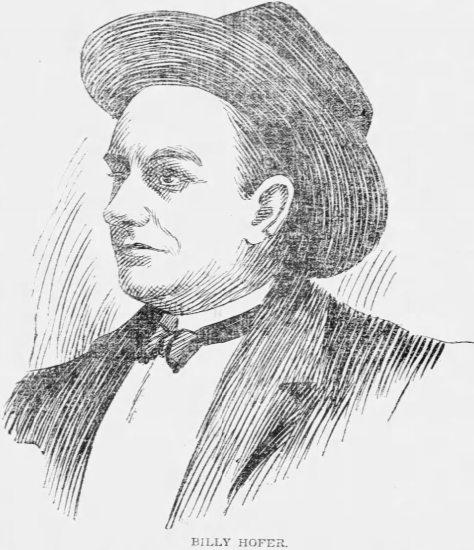
Hired for the task was Thomas Elwood Hofer, also known as Uncle Billy, a former hunting guide who in 1887 skied across the park on a winter wildlife survey sponsored by Forest and Stream magazine.
Hofer “was one of the most respected observers of the time, whose skills were admired by leading conservationists and naturalists,” Yellowstone historian Paul Schullery recounted in a 1994 Yellowstone Science article.
He will also convey 10,000 land-locked salmon eggs, presented to New Zealand by the Bureau of Fisheries, Washington, and a consignment of bronze wing turkeys for the Agricultural Department.
The Yellowstone elk shipped from D.C. to New Zealand were released in Fiordland’s George Sound “for the pleasure of game animal trophy hunting by early settlers through organizations known as Acclimatisation Societies,” according to New Zealand conservation organization Forest & Bird.
Elk weren’t the first animals brought to the southwest Pacific island. Native Maori brought plants and animals when they arrived in the mid- to late-1200s.
Capt. James Cook reportedly returned to the island in the 1700s with pigs after finding “so little culinary relief from shipboard rations” on his first visit in 1769, wrote Dave Hansford in a 2012 issue of New Zealand Geographic.
But it was British colonists in the 1860s who ramped up the import of exotic animals.
“Early societies did not place much emphasis on research or science — if at first they failed to introduce a species they wanted, they just released more into the wild, again and again,” according to Te Ara, the encyclopedia of New Zealand.
Atlantic salmon, trout, deer, Canada geese, partridge and pheasants were just some of the species transplanted.
“For colonials, hunting and fishing were major sources of recreation and they sought out these opportunities wherever they were in the British Empire,” Te Ara wrote.
Inspector Moorehouse, who came from New Zealand for the St. Louis Exposition, will shortly leave for New Zealand with a consignment of twenty elk, twenty-four Virginia deer, five black tail deer, some raccoons and a large number of Canadian geese and wood and other ducks.
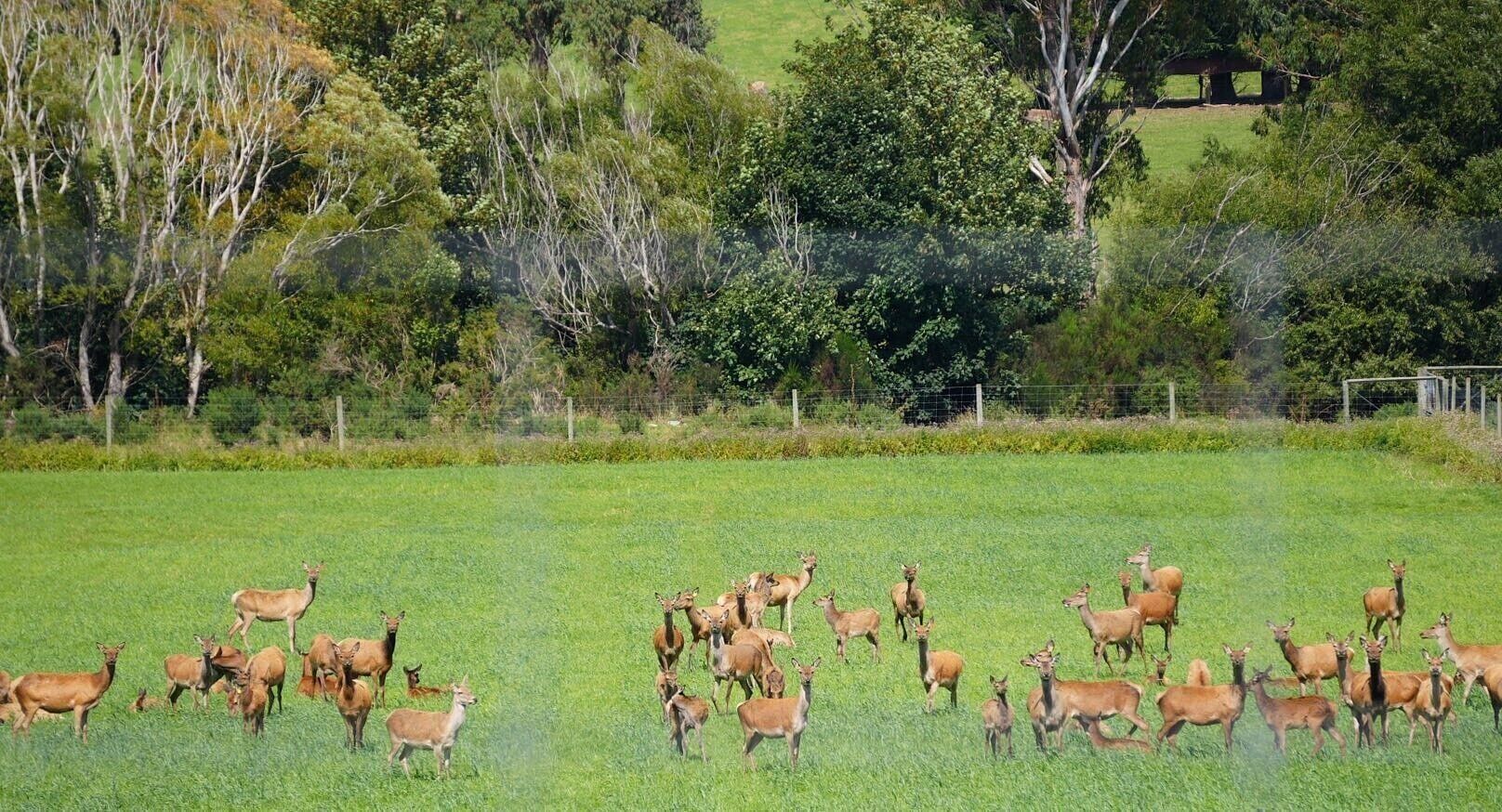
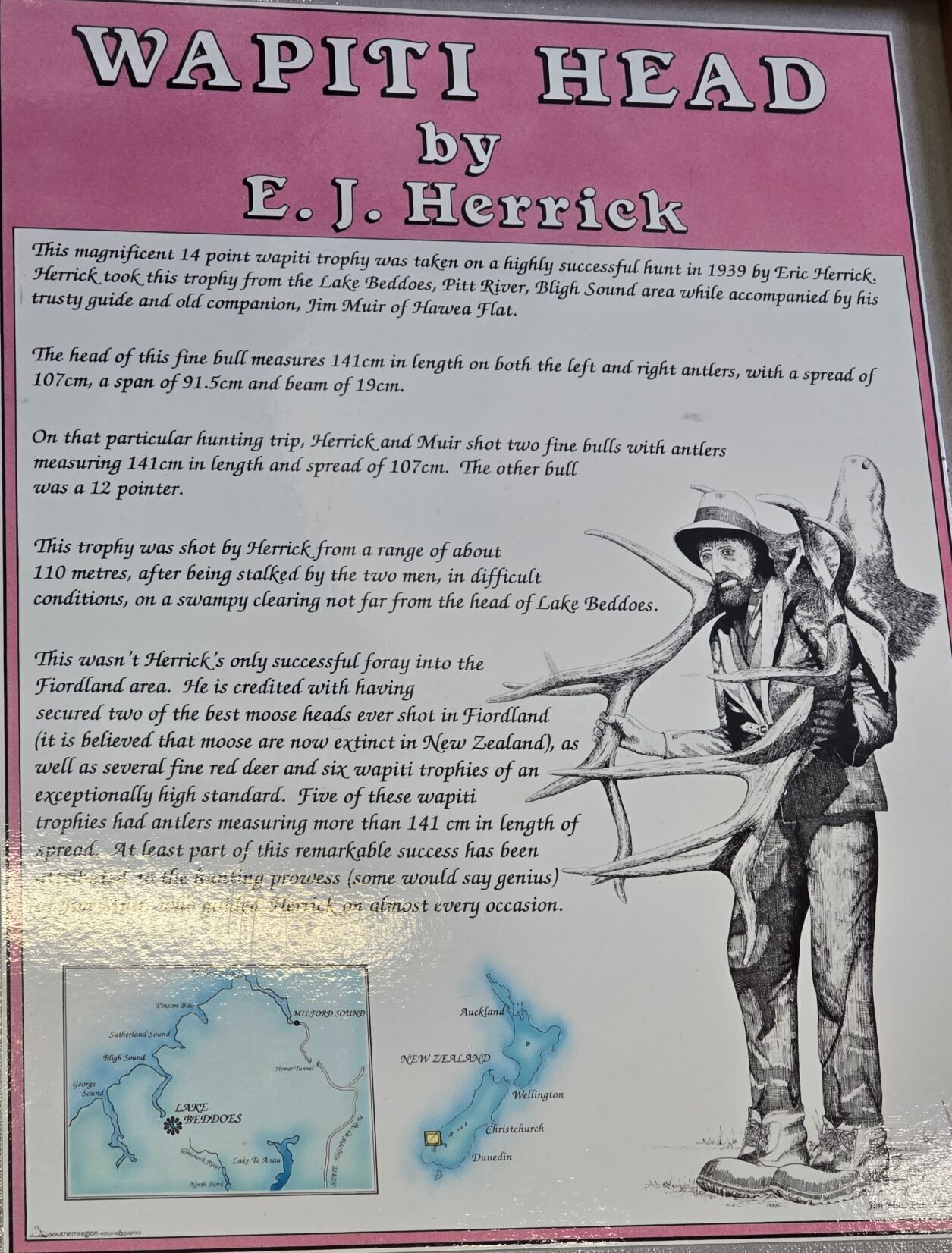
In New Zealand, the Yellowstone elk interbred with red deer that had been imported from England and Scotland. Called “wapiti” as a nod to one of the Native American names for elk, the animals continue to be “valued as a trophy hunting animal for their impressive antlers and large size,” according to Forest & Bird.
Captive herds of red deer are also bred for market, with cuts of the New Zealand venison selling for $13 to $34 a pound.
Like many introduced species, as the Yellowstone elk offspring multiplied they became a problem for the native species of Fiordland that were not adapted to the large grazers.
To control the population, The Fiordland Wapiti Foundation was formed. Working with the Department of Conservation the foundation oversees hunting of the elk as well as deer.
“Ever since their release at the head of George Sound in March 1905, nothing has aroused hunters’ passion more than the greatest of all the deer species, the magnificent Wapiti,” the foundation noted on its website.
In 1923 the first elk hunting licenses were issued and by 1950 the hunts were so popular that a ballot system was created to award licenses.
“Today there are 25 blocks that attract hundreds of applicants each year,” according to the foundation.
Ten of the elk were presented to the colony by President Roosevelt. The balance of the consignment has been purchased by the New Zealand government. These animals and birds are for liberation in the colony, with a view of ultimately providing sport.
Elk weren't the only wildlife imported to New Zealand.
“New Zealand probably has more introduced species, from more sources, than any other country,” Hansford wrote.
Thanks to the bull elk’s majestic antlers and large physique — standing up to 5-feet-high at the shoulder and weighing as much as 700 pounds — the animals have gained notoriety in their adopted kiwi homeland.
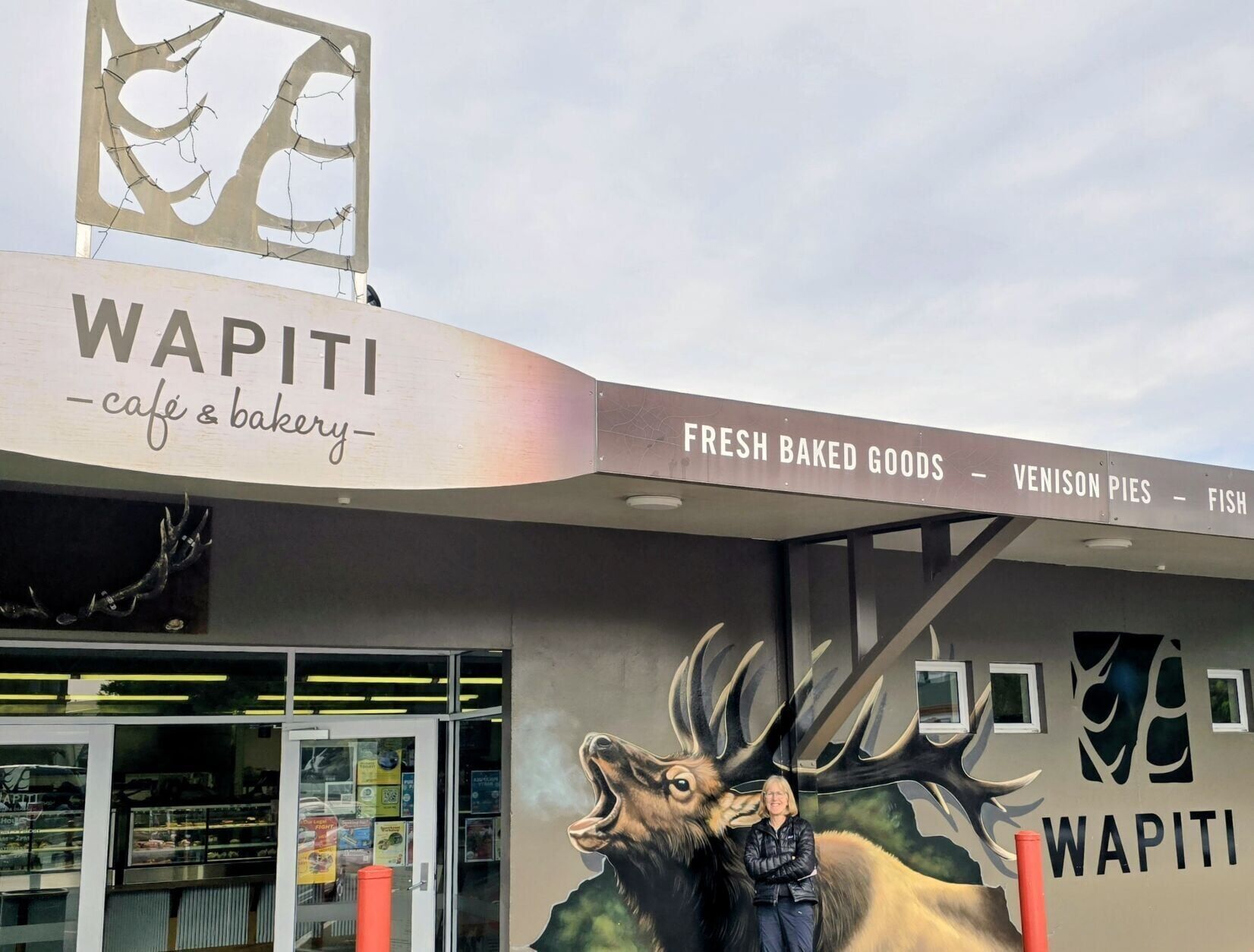
As proof, the Coles stopped at the Wapiti Café and Bakery for breakfast one day and took a photo. Anne posed next to the large bugling bull whose oversized head and torso was painted on the outside of the building near its entrance. Advertised on the building's eave is the bakery's venison pie, and crowning the top of the structure is a set of stylized antlers.


Comments ()