
Yellowstone National Park wolf population declined in 2025
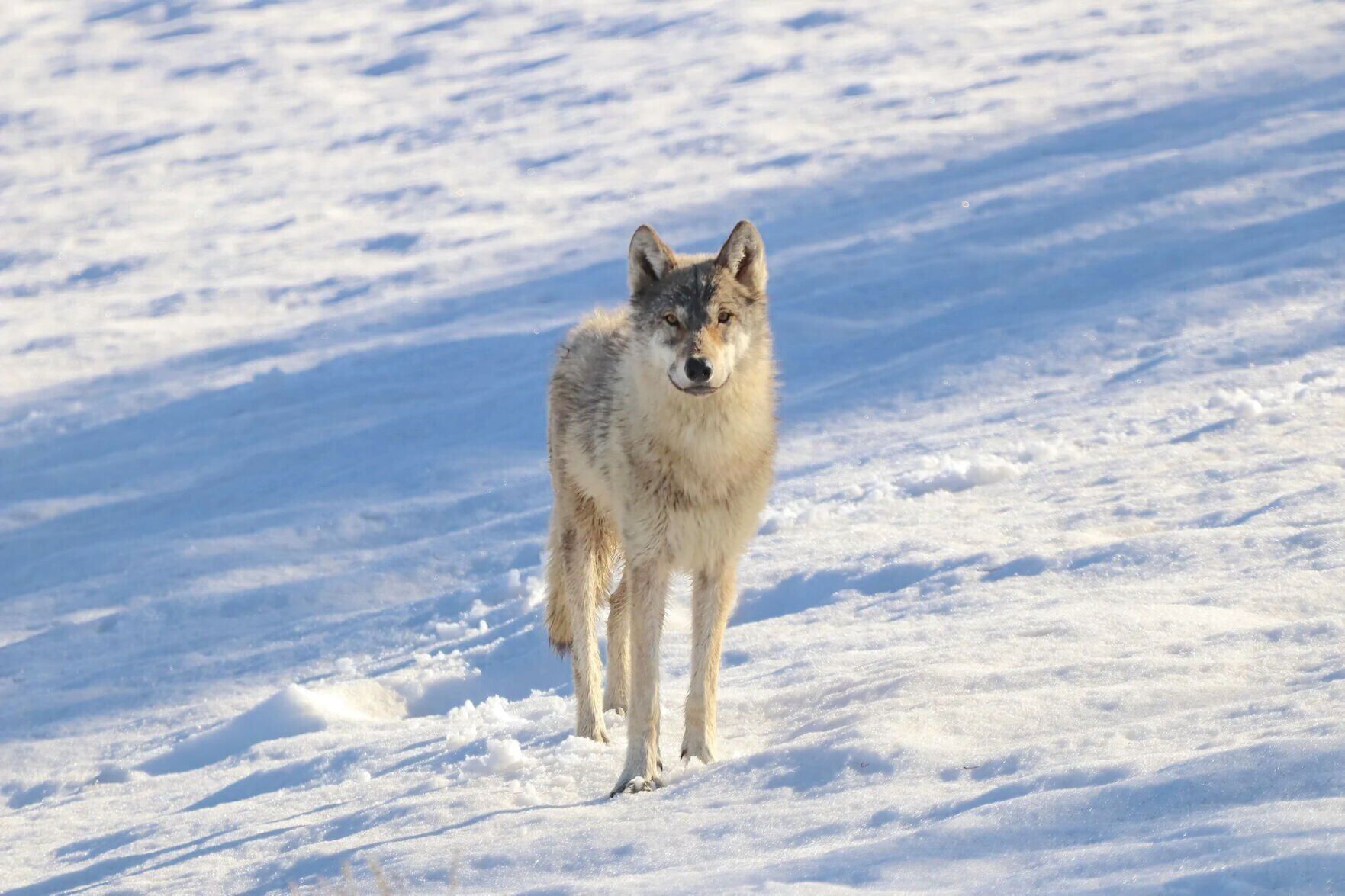
Yellowstone National Park’s wolf population has declined from last year, according Yellowstone Wolf Project’s lead biologist Dan Stahler.
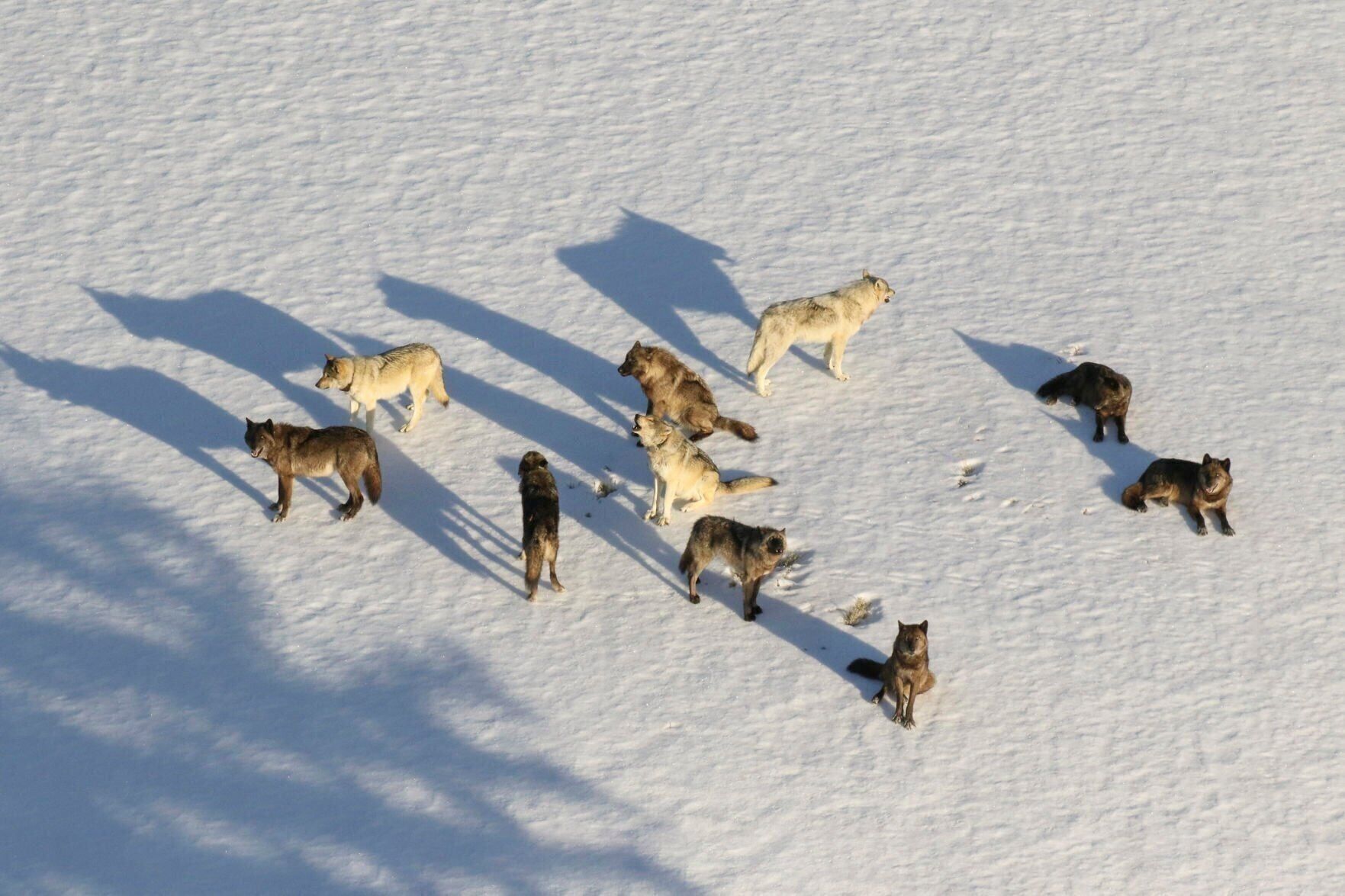
The official count came to 84 wolves in eight packs. That’s down from 108 wolves in nine packs at the end of 2024. The group’s annual report, providing more details from the park’s monitoring program, will be posted online later this spring.
Although the 2025 count was down from an average of around 100 to 110 wolves over the past 12 years, Stahler said it’s within the natural fluctuation of the population.
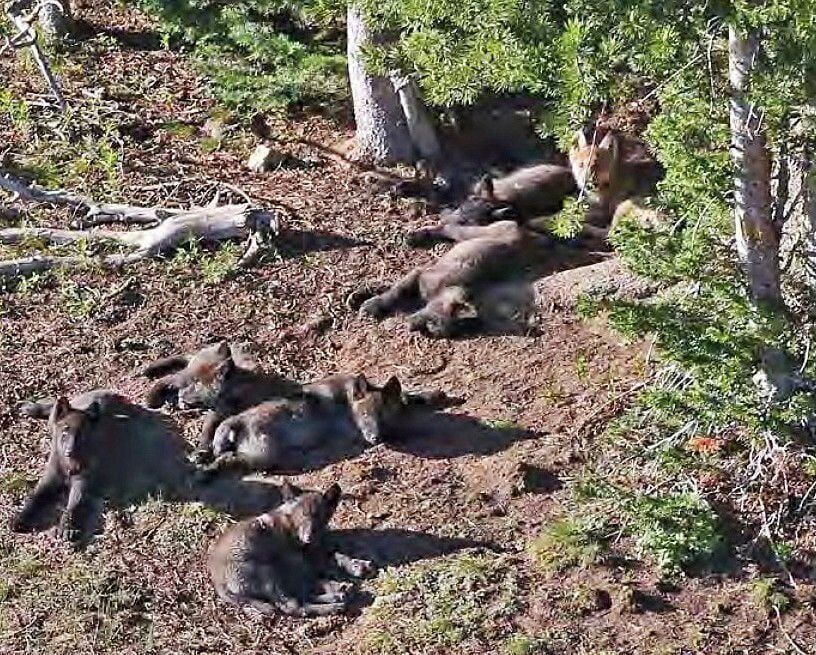
One of the reasons for the decline was that only three packs produced pups. The Wapiti pack, which had several breeding females that gave birth to 11 pups, saw none survive past September. Such a large die-off likely points to a disease outbreak such as distemper, Stahler speculated.
Also affecting park wolf dynamics and survival is hunting of the animals once they leave Yellowstone. This hunting and trapping season, so far, four wolves from the Eight Mile pack were legally killed and one from the Junction Butte pack was killed by a poacher in Montana.
Stahler said with snowpack in the park low this winter, wolves may be traveling farther to find game. Certainly, the ones that have been captured inside the park were a bit skinnier than in years past, he said.
“It's probably a little bit harder for wolves to hunt and find vulnerable prey right now,” Stahler said, since they rely on deep snow to slow and tire their prey.
In 2024, the Montana Fish and Wildlife Commission agreed to lower the harvest quota for wolves next to Yellowstone, creating two Wolf Management Units to the north with a quota of three animals each.
The change came after 25 wolves that spent much of their time in Yellowstone were killed in the winter of 2023-24. The park’s superintendent, as well as conservation groups and Gardiner-area businesses, requested the quota be reduced in part because wolves generate millions in economic activity for the region.
Jeff Reed, a Paradise Valley resident and co-founder of the Cry Wolf Project, told a Ketchum, Idaho, gathering in February that wolves generate $80 million in a $500 million tourism economy that benefits from Yellowstone National Park.
“Tourism, like we locals say, for good and bad, keeps our lights on thanks in part to wildlife, including wolves,” he said.
“We're 10 times larger than agriculture in my valley,” Reed added. “We are the dominant economy. And so, you know, anytime someone kind of gets out of line and starts saying, ‘Kill all the wolves,’ I'm like, ‘You're an anti-capitalist.’”
Despite the lowering of the hunting quota near Yellowstone, some Montana legislators, hunters and trappers have actively lobbied to kill more wolves. As a result, the state now allows night hunting on private property, hunting over bait and extended seasons.
So far this hunting season, 241 wolves have been killed but the statewide quota is 458.
The so-called war against wolves continues to infiltrate political and wildlife debates in Montana. As a result, Reed has become a more vocal advocate in talks he’s given across the country.
“I wonder if we're willing to protect what's left of our wild world for our children's children, because there aren't many wild animals left,” he said.
Using an example of a human body representing the total weight of all the world’s land mammals, Reed said the right forearm would represent the amount of wildlife remaining.
“The rest of your body is us, our livestock and our pets,” he said. “And the kicker is your left forearm represents all the dogs on the planet. All of the dogs on the planet is equal in body mass to all of the remaining wild terrestrial mammals.”
Carnivores — everything from lions and tigers to wolves and bears — are less than a pinky on this imaginary body.
“The challenge we collectively face goes far beyond individual opinions on wild wolves,” Reed opined.
“This is really about wilderness and wild. That's what's at stake.”


Comments ()