
Yellowstone Valley Animal Shelter rebounds strongly 6 months being smoked out by meth burn
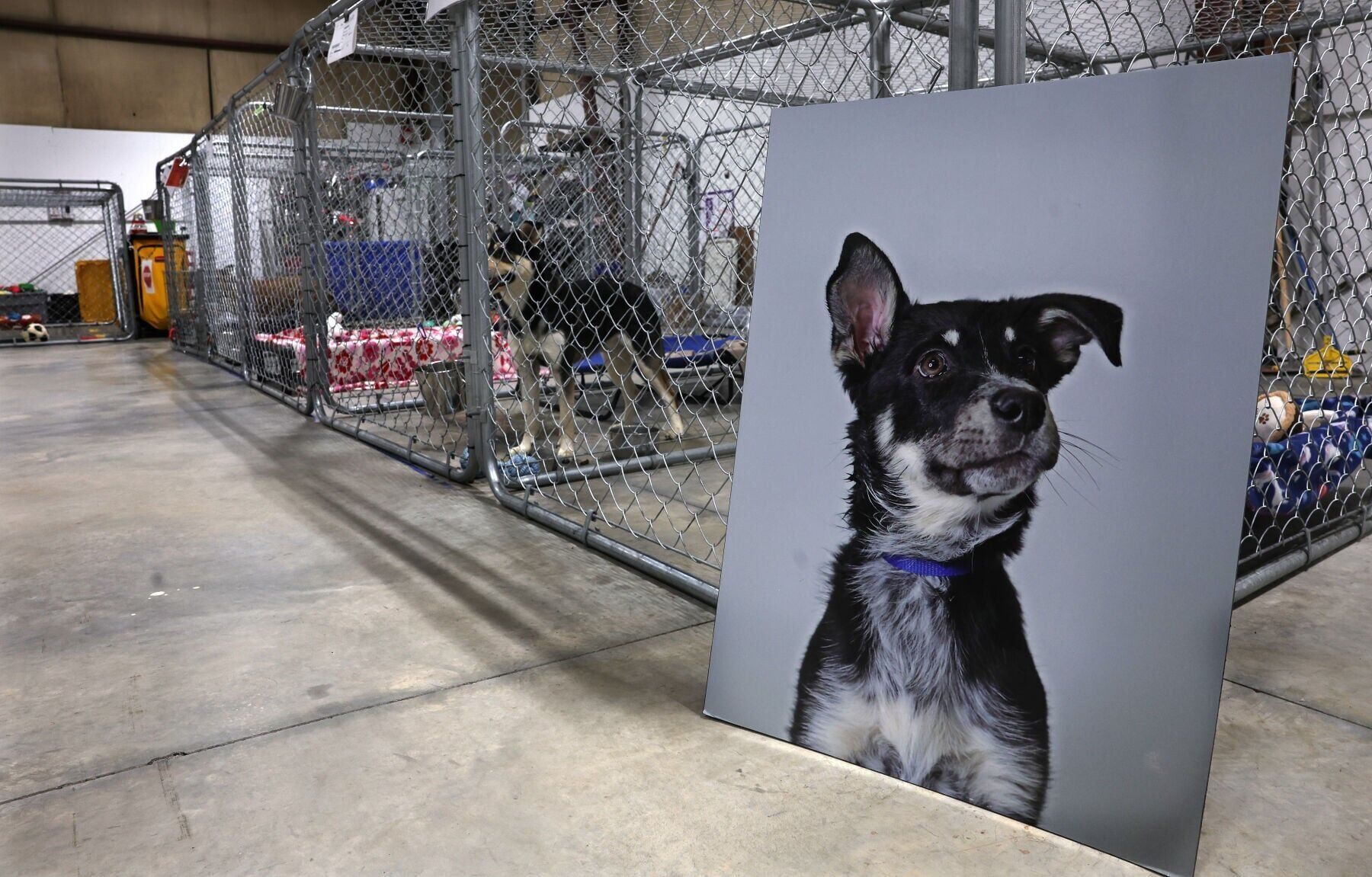
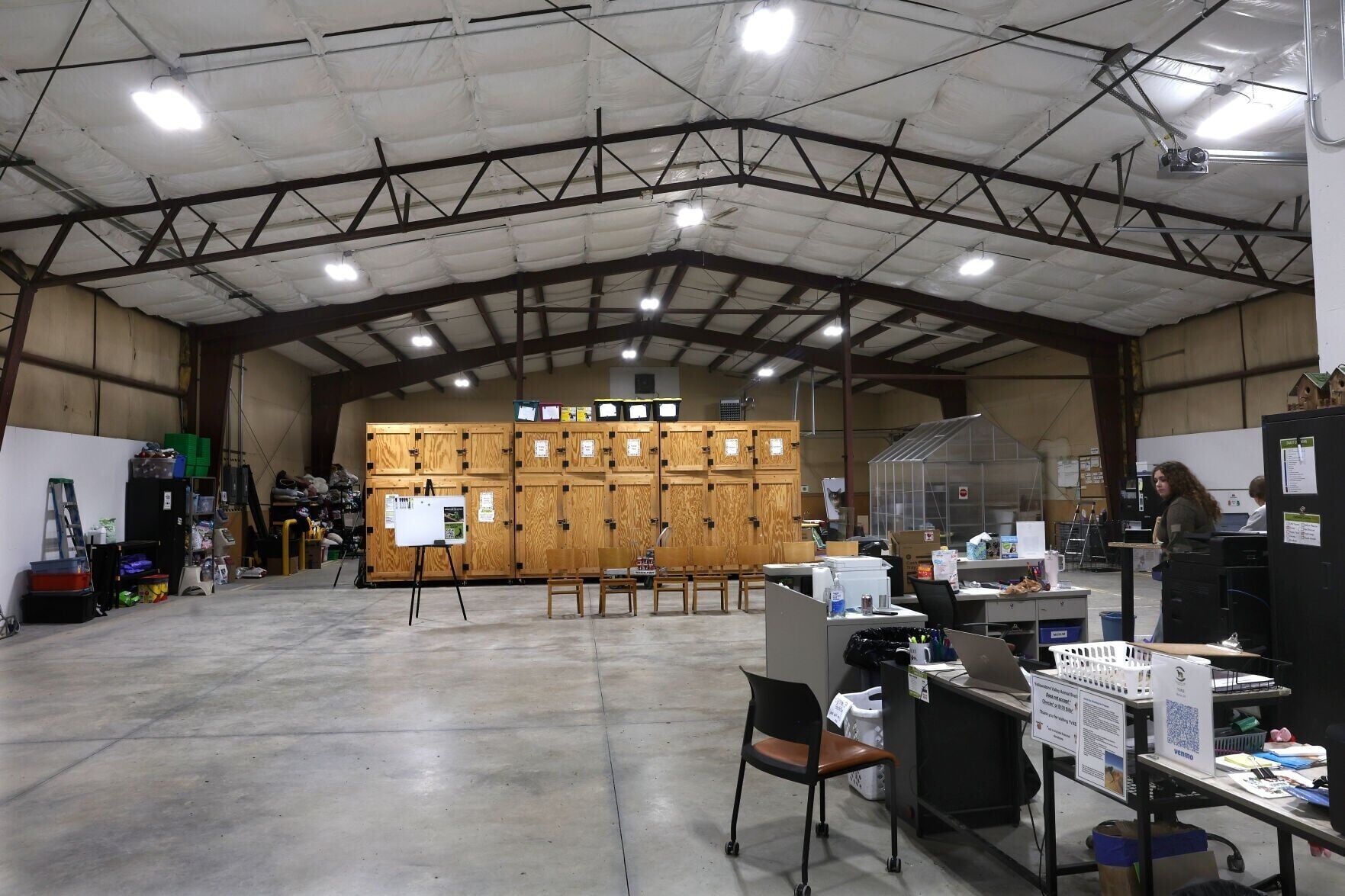
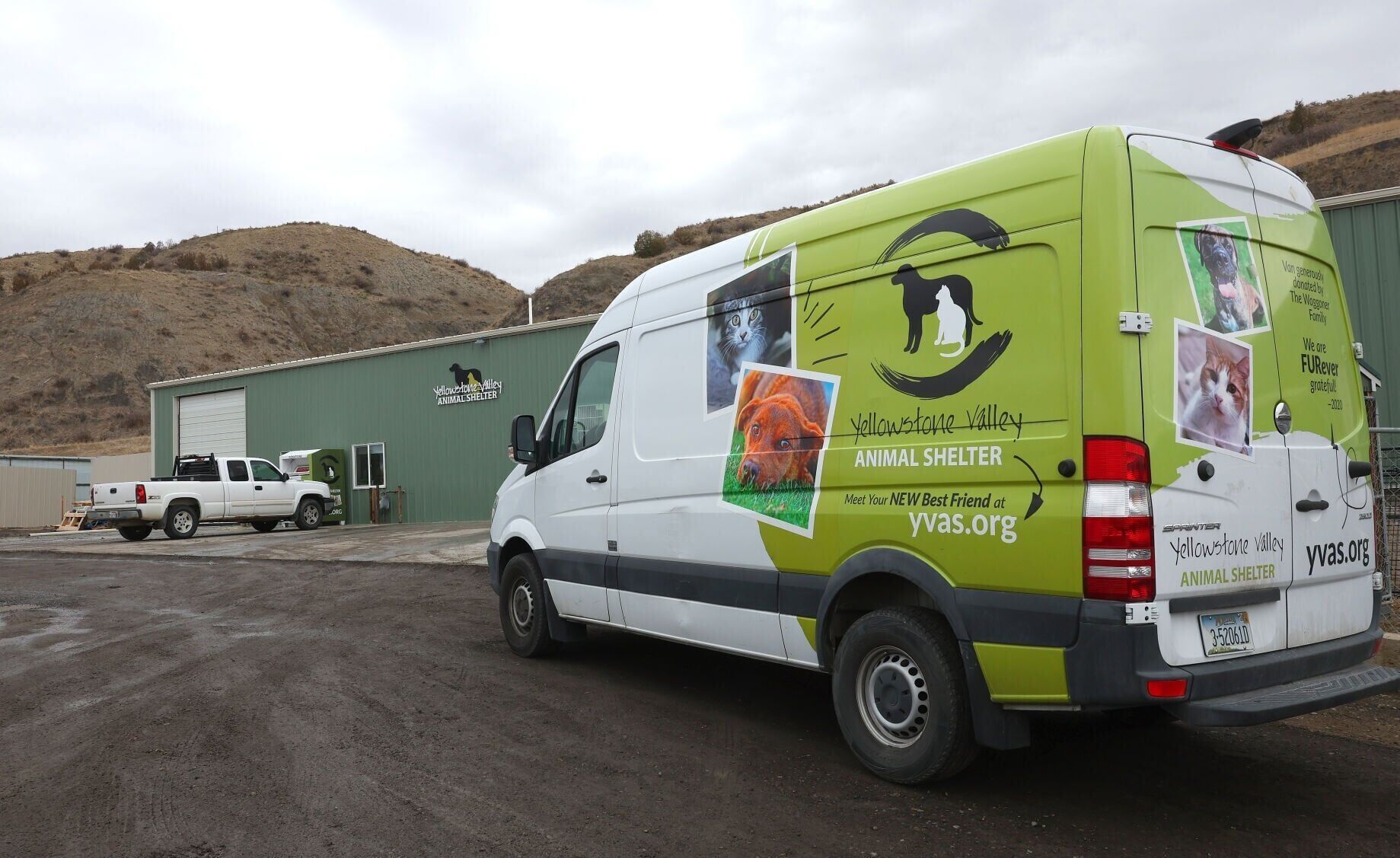
On a Saturday morning in early January, dozens of Billings residents converged at an empty warehouse on at 5056 Jellison Road, volunteering their time to help transform the space into the new semipermanent home of the Yellowstone Valley Animal Shelter.
“We had that community move day and over 70 people showed up,” YVAS Community Engagement Coordinator Izzy Zalenski said in an interview with the Billings Gazette. “We were doing adoptions later the same day.”
Shelter staff were touched by the community support, as the Jellison warehouse is the organization's third location in nearly six months, owing to a drug burning incident last September.
Despite the uncertainty caused by moving locations twice in three months, Zalenski said shelter staff remained positive and were very excited to be in their new space.
“We’re doing really well, honestly. I think we're all very proud of the work put in, not only by staff and volunteers, but by the community who have come out to help us,” she said. “We are all very confident in the work we're continuing to do and just kind of jump back into what we did best, even though we were displaced for that amount of time."
Three moves leads to more desk space
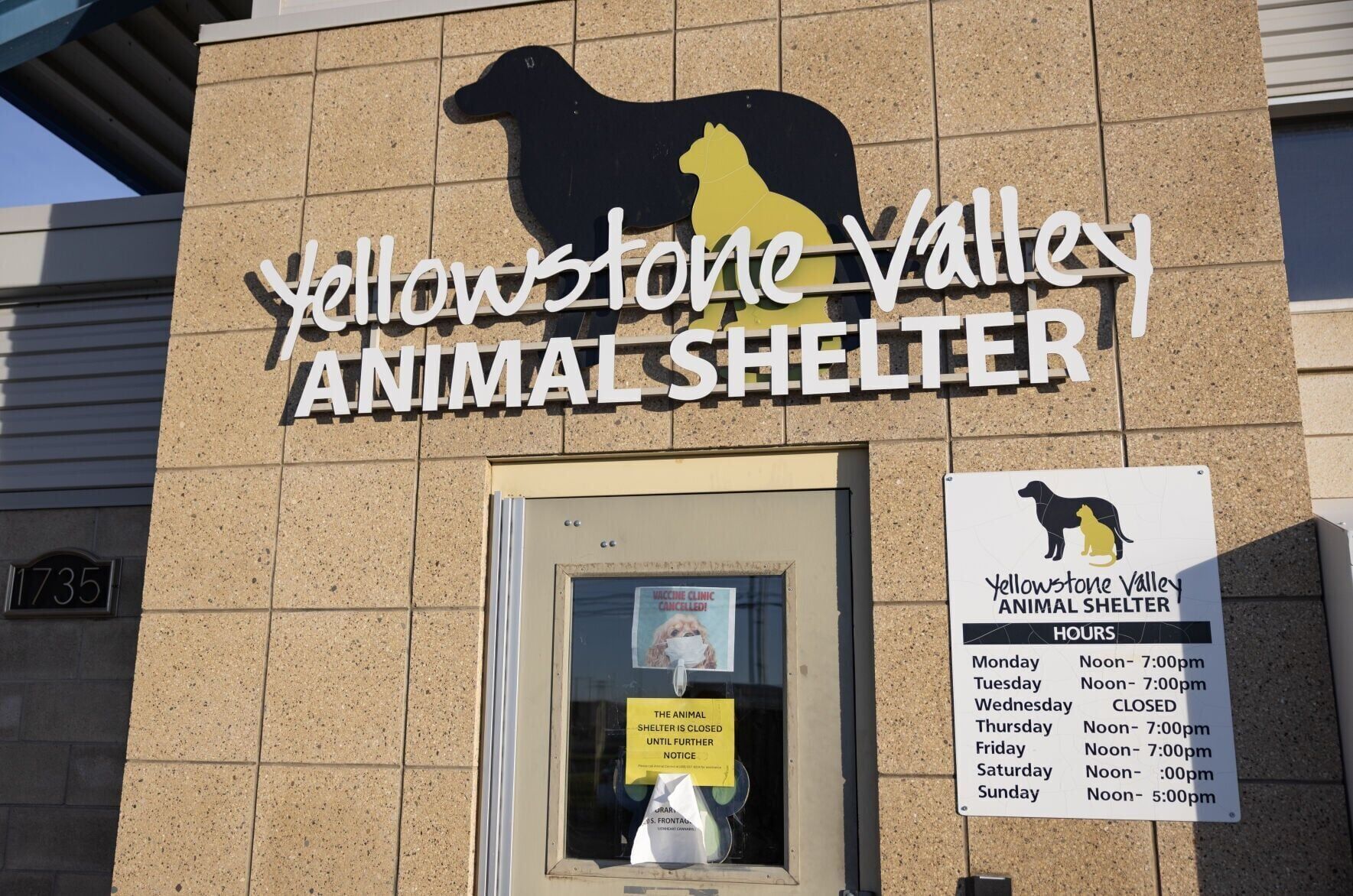
Before last September, YVAS shared a facility with Billings Animal Control at 1735 Monad Road. On Sept. 10, 2025, FBI officials were using the onsite incinerator, typically used for animal cremations, to dispose of unneeded narcotics evidence when the machine malfunctioned, pouring smoke into the building. The shelter was quickly evacuated, but 14 staffers were sent to the hospital for monitoring.
A Department of Environmental Quality investigation later determined the smoke to be contaminated with meth.
YVAS temporarily relocated to a warehouse behind Lionheart Cannabis, before moving again in early January to their current home on Jellison Road.
Animals and staff are settling well into the new space, Zalenski noted. And there have even been some unexpected benefits, like extra office space.
“We have way more desk space here and we're super-duper grateful for that, this Jellison location is actually 2,000 square feet bigger than the Monad location,” she said. “It's a much more wide open space. I think it truly changed how we look at our building and what we have.”
Staff have gone through an adjustment period, overhauling their cleaning routines as well as working with less kennel space. But overall everyone has adjusted well.
“It definitely has been a challenge in more ways than one to adapt from the Monad facility to Lionheart to here,” Zalenski said. “It's been a ride, but it's definitely been exciting to see how we can shift and change with our current situation.”
Since their move in January, the shelter has been able to restart disrupted community programs such as their trap-neuter-return services and begin new ones, recently launching a pet loss support group in partnership with local business Peaceful Paws LLC.
They're offering community clinics again, and held the first one in their new location on March 7, providing free microchips to pet owners.
“It's definitely been a change but we're making it work and we're trucking along,” Zalenski said.
DEQ Investigations and policy changes
While the incinerator at the shelter's previous facility was primarily used for cremation, local law enforcement agencies routinely used it for nearly 20 years to dispose of unneeded narcotics evidence.
Following the drug burning incident, DEQ officials announced they were beginning an investigation into the events of Sept. 10. The department released their findings in a letter sent to the city of Billings on Nov. 19.
In the letter, department officials outlined three violations of state regulations that occurred during the burn: failure to operate the incinerator in a manner maximizing pollution control, failure to use auxiliary fuel burners to preheat the incinerator’s secondary chamber and, as a result, failure to maintain proper temperatures within the secondary chamber.
In an email, DEQ Spokesperson Madison McGeffers told the Gazette the case had been referred to the department’s enforcement program for formal action, and officials were currently working to draft an Administrative Order of Consent outlining corrective actions to be taken by the city of Billings.
“The purpose of a formal enforcement action is to obtain compliance and impose penalties, where appropriate. DEQ is working internally to draft an Administrative Order on Consent to clearly outline corrective actions and set timelines for completing them,” she wrote.
Additionally, she confirmed department officials had since instructed incinerator and crematory operators within Yellowstone County to begin submitting drug or “alternative,” burn requests directly to the DEQ Air Quality Bureau for approval.
Previously, RiverStone Health had approved such requests through their role as the official Yellowstone City-County Health Department.
“Going forward, DEQ would like to clarify that, in accordance with these permit provisions, only DEQ may approve the burning of alternative materials at incinerators and crematories,” department officials wrote in a letter to Riverstone Health.
‘Building bridges’
Since 2009, YVAS has maintained a contract with the city of Billings to house lost and stray animals found within city limits. The shelter holds similar contracts with the Yellowstone County Sheriff’s Office and Laurel Police Department.
City and shelter officials agreed to a six month extension of their contract in November 2025. At a Billings City Council meeting on March 2, YVAS Director Triniti Halverson informed council members the shelter would be bidding to renew the contract.
In a phone interview with the Gazette, Billings City Administrator Chris Kukulski said he was encouraged to hear the news from Halverson, admitting the long-standing relationship has been strained in the incident’s aftermath.
“We still regret the incident and the stress it caused on the relationship, but we’re glad to be working things through,” Kukulski said. “We’re always trying to find opportunities to build bridges.”
Community support ensures a bright future
The shelter is likely staying at their current location until they can fundraise enough money to construct a new facility of their own, a campaign they first launched in 2023.
“Our new goal is $16 million, and we've raised about $7 million of that so far,” Zalenski said. “We hope to open in 2028. So, we only want to be here for about two to three years.”
Nearly six months on from the drug burning incident, she said if there was one thing shelter staff wanted the public to take away from the entire situation, it would be how grateful they've been for community support they’d received.
“We were concerned when it all initially happened, but we got so much support, it made some of us cry,” Zalenski said. “So just thank you to the community for standing by us during these insane couple of months, for lack of a better term. We’re excited to be here, we're excited for where we're going and we look forward to the future.”


Comments ()