
30 years later Jordan standoff still shapes Montana memories
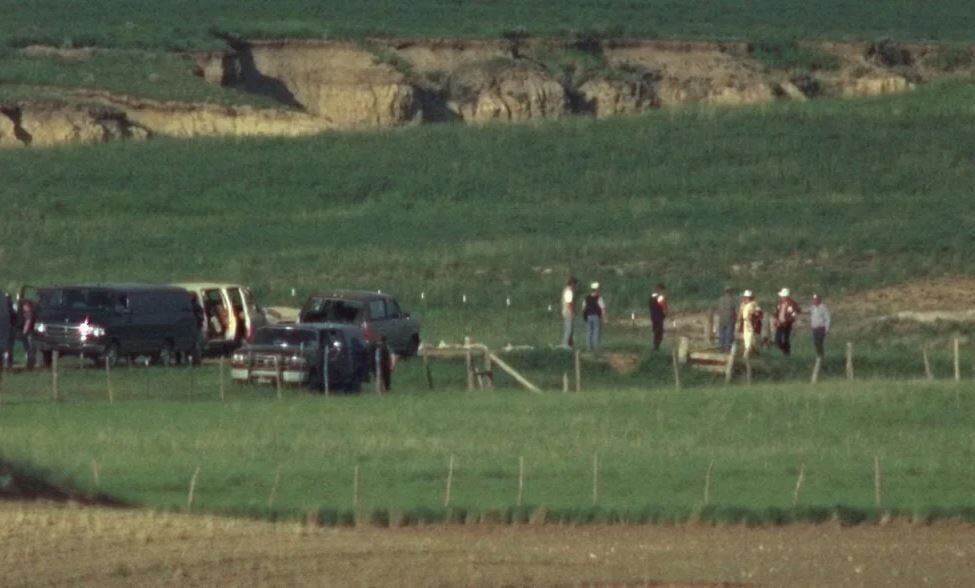
Missoula, Mont. — Thirty years after the Montana Freemen standoff began near Jordan, the event still stands as one of the best-known confrontations in Montana history.
The standoff started on March 25, 1996, when members of the Freemen refused to surrender to the FBI. It lasted 81 days and ended on June 13 that same year when the group surrendered peacefully.
On the first day, the FBI moved in to arrest members of the anti-government militia near Jordan. Some members were arrested while others went back to the compound, where they stayed for nearly three months.
After that, the FBI surrounded the area but kept its distance and used negotiators instead of force. As the Freemen continued to refuse cooperation, concerns grew about whether the standoff could turn violent, with people worried about a repeat of Ruby Ridge and Waco.
Over the following months, tensions eased as some people began leaving the compound. That helped push negotiations forward and led to a rare meeting between the jailed leader and the group.
Soon after that meeting, the Freemen surrendered peacefully. The standoff ended without violence or casualties.
A report from the Government Accountability Office [link] said the standoff cost about $7.5 million in August 1996. About half of that amount went to regular FBI salaries and the rest was tied directly to the standoff.
Some people said events like this can shape how a city and state handle similar situations. Many also believed the day had a lasting impact on how the FBI deals with an armed anti-government group while trying to limit negative consequences.
NonStop Local spoke with one of the reporters who was at the scene when it happened 30 years ago.
“At the time, because I was there, I said from the beginning, I don't think this is going to end up in bloodshed. And I want to know what kind of just tell my colleagues that, like, you know, the way, the way the feds are acting. I just don't think they're going to, I think they're just literally going to wait this out and sure enough, they did,” said Frank Field.
Field, a former reporter, said that when he first covered the story, he wanted to tell it from a local perspective in the heart of Montana as it became national news.

Comments ()