
Candidate Questionnaire: House District 62
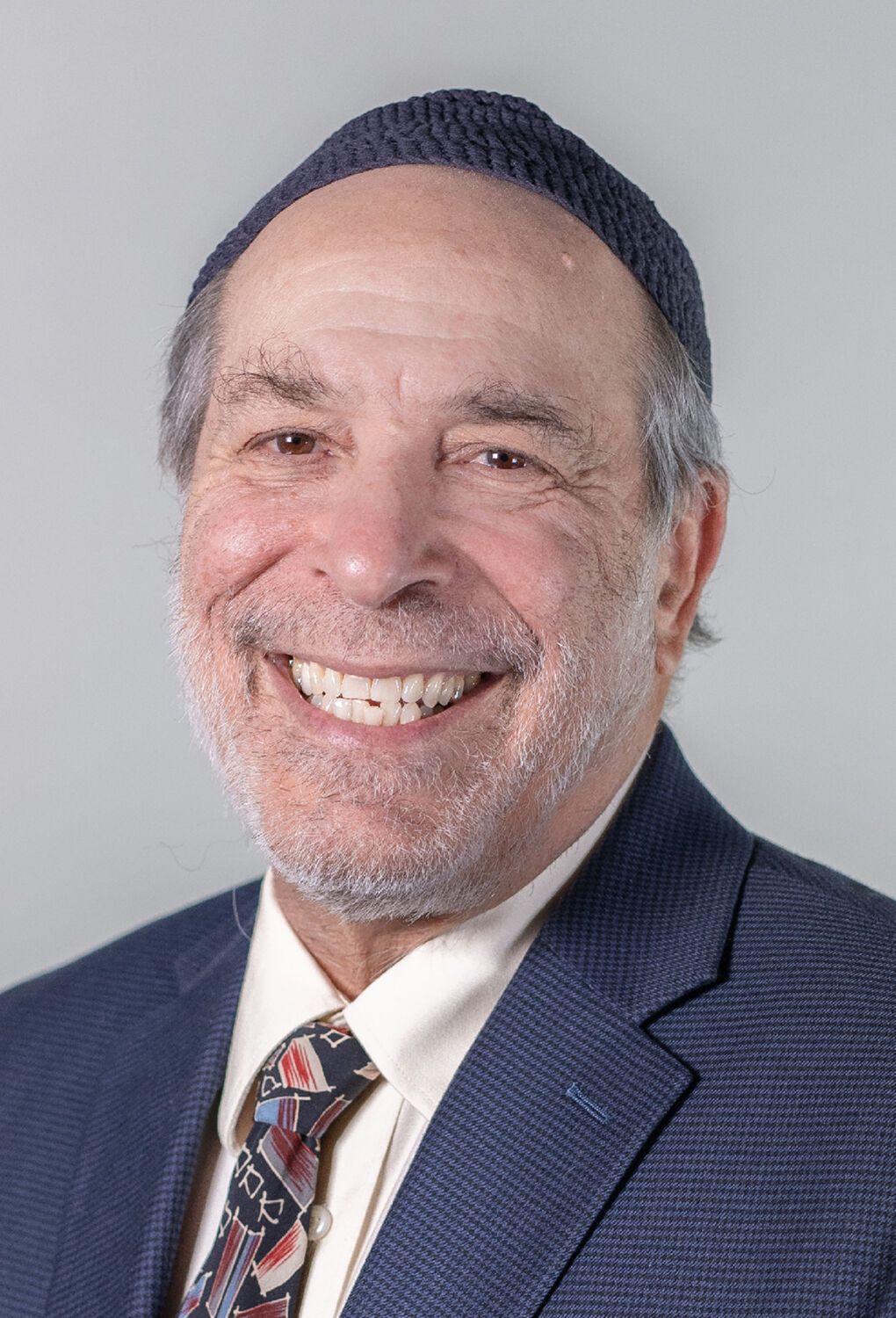
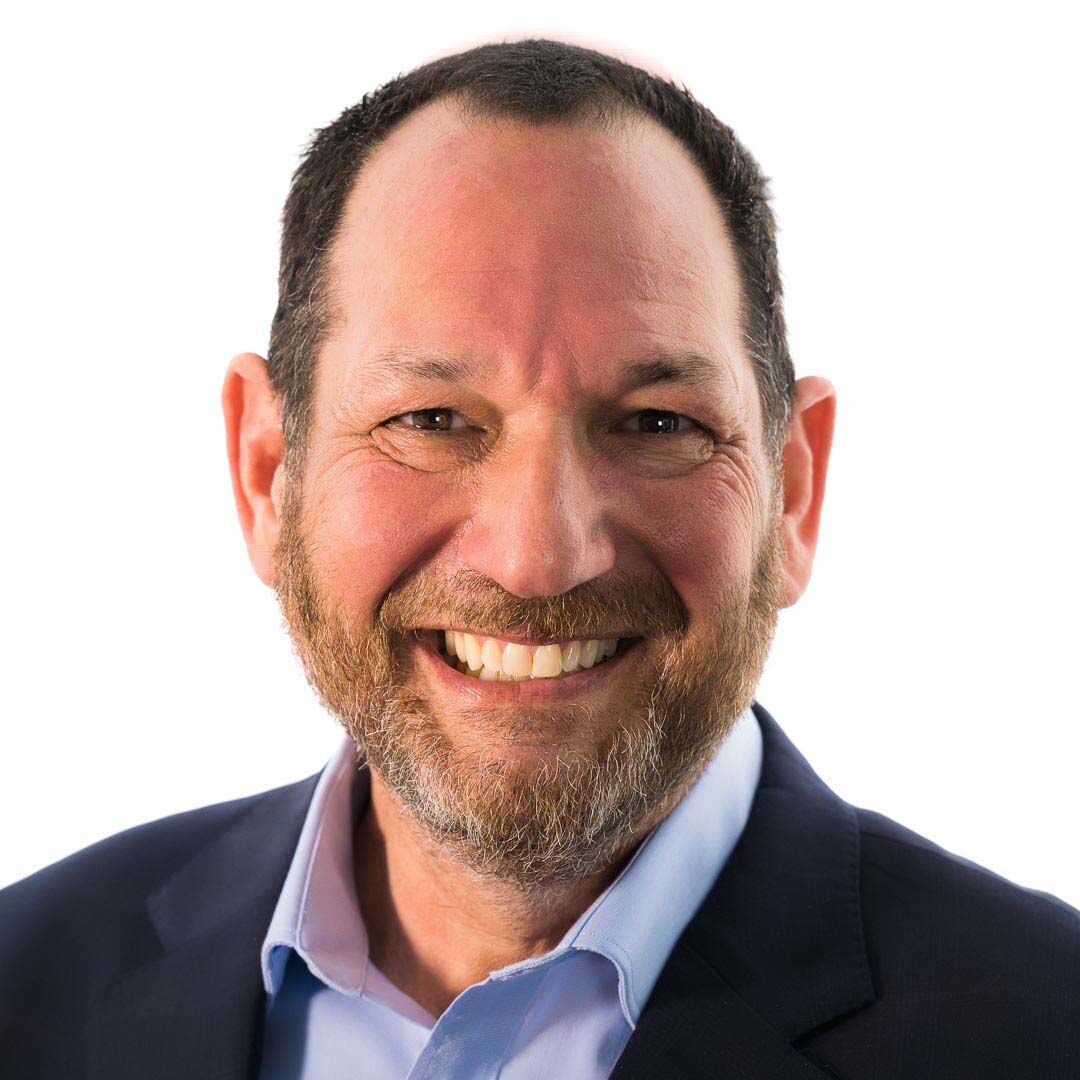
Correction: The responses for the two candidates running in House District 62, published on this page and printed on page 8 and 9 of the election edition, were incorrectly attributed to the opposite candidate. The responses attributed to Ed Stafman were from Marc Greendorfer, and the responses attributed to Marc Greendorfer were from Ed Stafman. The mistake has been corrected online.
Ed Stafman
(D) — House District 62
Marc Greendorfer
(R) — House District 62
Why did you decide to run for office?
Greendorfer: I am a first generation American (my mother was born in Czechoslovakia, survived the Holocaust and immigrated to the US, while my father’s family is from Ukraine) and want to give back to the country, the state of Montana and the city of Bozeman. It’s easy to complain about politicians but to effect real change, we have to take action and be willing to make our own sacrifices for the good of our community. It’s not easy to balance respect for the past while also centering on progress, but with wise planning and listening to all voices it can be done. With the right leadership in Helena, we can improve the state, adapt it for the future and preserve that which has made it so attractive for so many. My experiences as a first generation American, ethnic/religious minority and civil rights attorney will add an important element of diversity and a fresh point of view to the State of Montana’s legislature.
Stafman: It’s been an honor to serve my community these past two years and to be a voice on important issues, such as affordable housing, mental health, conservation/public lands, the climate crisis, and women’s health care. I believe strongly in public service and the democratic process. I have devoted much of my life to serving others, first as a civil rights attorney representing the disenfranchised, and then as a rabbi teaching and focused on interfaith work. I have a history of bringing people of different backgrounds together to achieve solutions. I’ve done just that during my first term as the only freshman to be elected to chair a major committee (on a bipartisan vote) – the Interim Children, Families, Health & Human Services committee. Working together, my bipartisan committee has produced eight bills which, if passed by the full legislature, will dramatically improve Montana’s mental health system. Serving in this way has been rewarding.
What do you think is the biggest issue MSU students should have on their radar? What state action would you support to address that issue?
Greendorfer: University students today are facing one of the most challenging environments ever. From inflation to an economy in recession to environmental and social crises, this generation of university student will have their hands full balancing the harsh reality of making a decent living with the even harsher reality of trying to improve a world that is in many ways in desperate need of rehabilitation.
If I were an MSU student, I’d be concerned about my prospects for a fulfilling career after graduation, the reality of paying off loans and the need to not repeat the mistakes of past generations when it comes to balancing life with a career. Also, the idea of blanket loan forgiveness or other "free lunch” initiatives are dangerous and counterproductive. Making education affordable and accessible means structural reform of the entire education system and addressing out of control spending and costs in higher education.
As an advocate of limited government, the best thing I see the state doing is unleashing the intellectual power of new university graduates to address issues like climate change, economic stagnation and societal divisions through a combination of providing economic incentives and eliminating the bureaucracies and regulations that inhibit innovation.
Stafman: The biggest issue for many students is housing costs and outrageously increasing rents. Another big issue is the climate crisis. Since those issues are addressed specifically below, I’ll add here that as in the past, I will fight to keep tuition low and for adequate funding for MSU so that it can continue to best serve our students. Also, I am leading the fight for reinvestment in our mental health care system, including the expansion of affordable access to crisis support, substance abuse treatment, therapists, and other mental health care. Finally, women’s health care is under attack, and as the candidate endorsed by Planned Parenthood Advocates of Montana, I will fight for our right to privacy and keeping government out of health care decisions,
What steps should the legislature take to address climate change and mitigate its impact on Montanans?
Greendorfer: Climate change has to be addressed through a well-planned, long-term set of actions and programs that take into account the reality that rushing into answers, such as banning all internal combustion engines, often creates larger problems than the ones they are meant to address. As a state, we have to first work on the infrastructure that will provide the answers to the environmental crisis. This will require us to first build out the energy grid, develop sources of clean and renewable energy and create the technology, such as high capacity, solid state (or similar) battery storage, that will make solutions such as electric vehicles and a transition to electrification generally, feasible for the vast majority of users.
It's also important that the state implement policies that mitigate harms to the environment. For example, conditioning residential or industrial development on the developers’ implementation of programs to offset the burdens development places on the environment should and restricting all development on public lands and wildlife habitats should be priorities.
Stafman: I support our Montana constitutional right to a clean and healthful environment. As we confront the climate crisis, we must reduce our reliance on fossil fuels through a combination of energy conservation, energy efficiency, and the development of clean, renewable, and reliable energy sources. We can achieve this goal AND create or provide transitions into good Montana jobs. In the 2021 session, I introduced a bill that would have phased out Montana plants that burn fuels more toxic than coal and which would have reduced Northwest Energy’s carbon output by a third, saving ratepayers over $200 million in the process. I’ll try again this time. I will also work on legislation to bring a “green bank” to Montana, which would leverage funds from the new Inflation Reduction Act in order to support Montana clean energy projects and good Montana jobs.
What action would you support to make housing more affordable in Bozeman?
Greendorfer: I’ve lived in many places that have attempted to make housing more affordable (the San Francisco/Bay Area and New York City, in particular) and I’ve never seen these measures actually work. Instead, they create unintended consequences that often result in higher, rather than lower, housing prices and less, rather than more, housing availability. Eliminating harmful regulations that inhibit urban infill, impose unnecessary residency limits, discourage secondary unit development and increase the cost of construction should be a focus of the next legislature. Creative alternatives to traditional single family housing should also be a priority.
Zoning and code provisions (which are usually a local issue but can also be addressed at the state level) that discourage the development of alternatives like tiny houses or residential use of non-residential structures must also be addressed. What must be avoided, though, is unchecked development of agricultural land, forests and open space.
Stafman: I support policies which will result in building more affordable housing that will be used as primary residences and rentals. This will increase supply and lower prices for those who live in these homes. Currently, many local homes are bought by out of staters for second homes, for investments, or for short term rentals (like Airbnb), thereby reducing supply for purchasers and renters. We can lower costs by disincentivizing such buying, increasing supply for those who buy and rent homes in which they live. Also, last session, I supported a bill that provided tax incentives to developers to build affordable housing with lower rents. The bill passed, but was vetoed by the Governor. Also last session, the legislature passed several bills brought by large landlords that gave landlords more power in landlord-tenant relations. Working with advocates for MSU and UM students, I consistently and forcefully spoke up in opposition to these bills. I will continue to work with student representatives to fight against changes to the landlord-tenants laws which unfairly tilt the playing field in favor of landlords.
Why should MSU students, faculty and staff vote for you?
Greendorfer: A significant part of my work as a civil rights lawyer includes dealing with issues relating to academic freedom, discrimination on campus and student expression. I also know that for many students and faculty/staff, the fear of saying the wrong thing or being associated with the wrong people can have a chilling effect on the education experience.
If elected, I will ensure that free expression is restored while also working to ensure that the university campus is an open and welcoming environment for all. A significant part of this is based on the “counter speech doctrine”, which posits that the best response to speech/conduct that one finds offensive or harmful is to encourage more speech/conduct to promote a positive message.
Additionally, students should know that when they graduate they will have the opportunity to engage in a fulfilling career, whether it involves the pursuit of wealth or the pursuit of non-pecuniary outcomes. Again, less regulation and more incentives (such as loan repayment assistance for those who choose a career that benefits the community) are the approaches I support.
Stafman: I have worked to mitigate the climate crisis, for more affordable housing and renter’s rights, and supporting MSU. This is a critical election because Republicans are two seats shy of a super majority. If they achieve this, they will have the power to abolish or limit Montana’s constitutional rights, including the right to privacy and the right to a clean and healthful environment. The Montana Republican platform calls for a complete ban on abortion, with no exceptions for rape, incest, or where the woman’s life is in danger. It calls for more fossil fuels and ignores the climate change crisis. It seeks it to make it harder for students to vote. I will resist these efforts to repeal or replace Montana’s constitution and reduce the rights of Montanans. I will work to protect Montanan’s rights to a clean environment, to privacy, and to vote.
What do you love about Bozeman? How would that reflect in your policy-making decisions?
Greendorfer: What brought my wife and me to Bozeman is the eclectic blend of art, culture, community and outdoors that bring so many others here. For example, we put a dog treat box on a tree outside of our home and have had neighbors stop by to thank us, leave us gifts or even send cards with warm messages. It’s that sense of a welcoming and inclusive small town community that has made this our home.
One thing that I was concerned about when we moved here was the fact that I am religiously observant and wear a kippah (a Jewish head covering). In other places I’ve lived this made me a target for harassment. In the years that I’ve lived in Bozeman, I’ve only had positive reactions and this is something that I want to encourage if I am elected.
I am religious and conservative and, notwithstanding certain stereotypes, I absolutely reject all forms of discrimination. As a legislator, I’ll work to protect rights for all, including ironclad rights for LGBTQ+ individuals and strong state-level protections for those who choose to end a pregnancy. We become a better society when we ignore labels and focus on improving conditions for everyone, especially those who are different from us.
Stafman: As a hiker, biker, skier, and kayaker, I’m committed to keeping Montana pristine and will always advocate for our environment, preserving our public lands for recreation, hunting, and fishing. I’m proud to be endorsed by the Montana Conservation Voters, the Montana Sierra Club, and to have 100% ratings from the conservation groups that publish ratings. I also love the strong sense of community in Bozeman where people genuinely care about one another, resulting in the success of many organizations where I donate time, including our food bank, our homeless shelter, Family Promise, Eagle Mount, and others. I also love living one block from MSU. I am frequently on campus as a guest teacher, at meetings of student groups, and at Bobcat sporting events.


Comments ()