
Candidate Questionnaire: House District 64
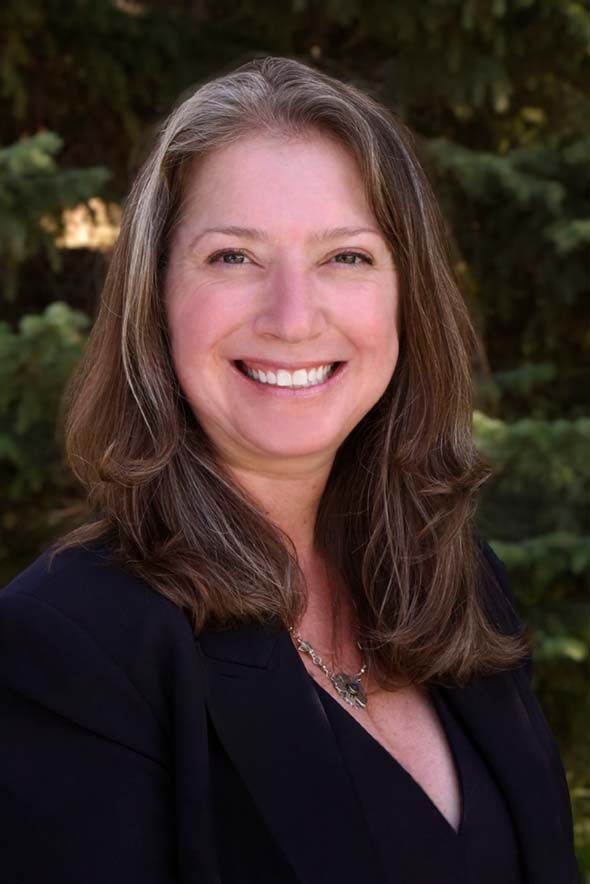
Alanah Griffith
(D) — House District 64
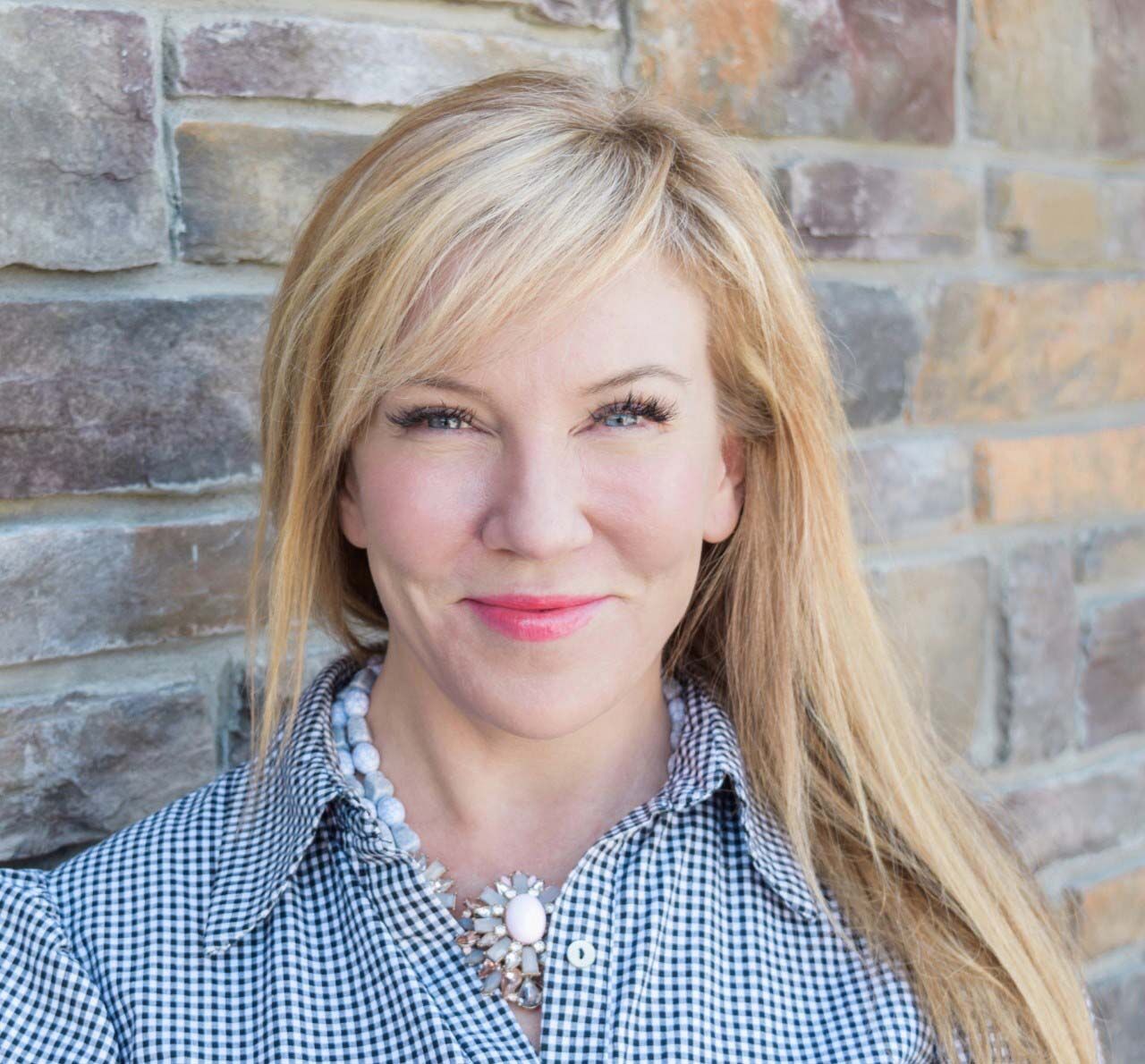
Jane Gillette
(R) — House District 64
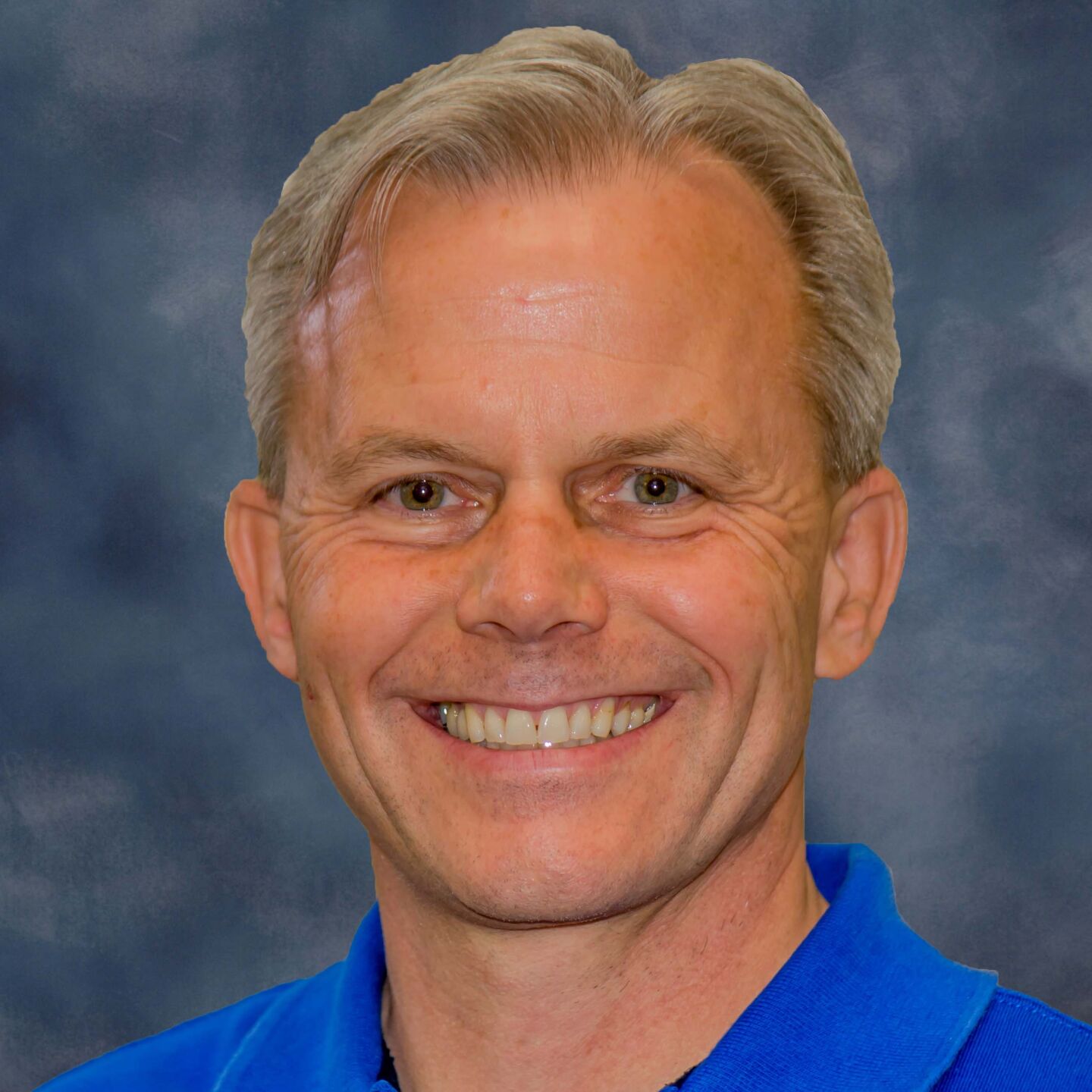
Doug Campbell
(L) — House District 64
Why did you decide to run for office?
Gillette: We make a living by what we get, but we make a life by what we give. Serving as a legislator is the best job I’ve ever had. Every day I get up and do what I love – help people! It’s an honor to work for my constituents in HD 64 (West Yellowstone, Big Sky, Gallatin Gateway, Four Corners, small section of Manhattan). Starting 2 decades ago, I’ve started or managed close to a dozen non-profit organizations that advance science or support families, pregnant mothers, and children. Being a legislator is about helping people with real-world problems (i.e., traffic in their neighborhood, the DMV, water/sewer. unemployment benefits). I’m a born helper and caretaker. From my 14-year career in the US Air Force, I learned “service before self”. That’s why I’m running for re-election.
Campbell: I have been an independent voter for over 2 decades, and the increased polarization of the past few election cycles has left us with worse-than-ever lesser-of-two-evils choices for most offices. I have been a successful co-plaintiff in two recent legal actions which have improved Montana ballot access and election laws, and improved access for independent and alternative party candidates. Professionally I have been a proven listener, finding lasting solutions and improving efficiency in tough business and social challenges.
Griffith: I am the Secretary/Treasurer of the State Bar of Montana. During our most recent strategic planning session in Big Sky, we overwhelmingly agreed that the Bar must address the recent attacks on our Rule of Law and the Judiciary. We reviewed the make-up of the Legislature. Out of 150 people, only nine have law degrees, six are licensed in Montana and out of those 6, it appears that only 3 actively practice law. While attorneys are not the only people who should be serving, we need to be at the table to lend our legal expertise to creating solutions and drafting legislation that meets the needs of Montanans. I am also a trained mediator. I bring various diverse interests to the table and find a place of consensus from which to build an agreement. I don’t lead from behind. As I sat there in Big Sky, looking down on my home, I realized that I needed to serve my community by running for office. My community deserves to have a trained advocate representing them in Helena.
What do you think is the biggest issue MSU students should have on their radar? What state action would you support to address that issue?
Gillette: Students should be extremely worried about our inflation and the instability of our economy. It’s likely our country has not seen the worst of it. It’s an employee market right now, but with our extreme inflation, that will change in the not-too-distant future, making it difficult to find a job. Students should think carefully about their education and career choices with an eye towards future employability. Right now, employability and high incomes are following those working in the trades.
To address this issue, I’ll be running part two of a bill I ran last session which was a study of the “benefit cliff” (HJ 49). The benefit cliff is when a person/family who is receiving social supports (i.e., Medicaid, TANF, childcare assistance, etc.) earns just a little extra money but then loses their social support benefit because they are now over income. Unintentionally, this disincentivizes work. I’ll be running a bill to help phase those benefits out gradually instead of individuals and families losing them all at once.
Campbell: There are several issues of immediate significance, but political extremism in the 2-party system, leading to increased government control by a single party victor is the most dire concern.
I would look to introduce or support Ranked Choice Voting, which has shown merits in simplified primaries, access to the ballot by independents voters, and improved opportunity for middle-ground candidates and policy making.
Griffith: We are a literal island of safety with regards to the issue of privacy in your medical decisions. This is because the Montana Constitution currently guarantees your right to privacy. This state is only two seats away from the Republicans calling a Constitutional Convention to rewrite Montana’s Constitution. They have been very open with the fact that they will rewrite the right to privacy to bar if from applying to medical privacy, specifically the right of a woman to choose to have an abortion and the right of anyone to choose their gender. There are a couple of Democratic seats that may flip in this election. If I can unseat my opponent, then it will most likely prevent the Republicans from being able to call the convention. When elected, I will protect our constitution and uphold the Rule of Law.
What steps should the legislature take to address climate change and mitigate its impact on Montanans?
Gillette: To address climate change, the Montana State Legislature should support, or at least not get in the way of, small advanced nuclear reactors. A recent study by the Breakthrough Institute concluded that small nuclear reactors could significantly contribute to grid decarbonization by 2050. Specifically, the study concluded that small advanced nuclear reactors could play a major role in decarbonizing electricity in the U.S. by providing carbon-free energy, balancing out solar and wind resources, and being installed at retired coal and other fossil plants.
Nuclear developer TerraPower, which is funded by Bill Gates, plans to build a small advanced nuclear demonstration project near a coal plant in western Wyoming scheduled to retire in 2025. Last year, the Montana State Legislature passed legislation (HB 273) to make the option of nuclear energy easier in Montana and our state has multiple coal plants that have been retired and could be used for this purpose as well.
Campbell: The Montana legislature should step back from all subsidies and policy assistance for any industry, ensuring that market forces – driven by Montana consumers – are how we direct our energy production and consumption.
Griffith: On September 9, 2020, the Montana Climate Solutions Council released a report detailing what Montana could/should be doing to address climate change. The Council included 29 members from the for-profit and non-profit world and 11 ex-officio members representing Montana agencies. They included the Montana Petroleum Asso., Northwestern Energy, Sierra Club, MSU, and the Montana Chamber of Commerce. The report centered on three large goals: 1. Preparing Montanans for Climate Impacts, 2. Strategies to Reduce Greenhouse Gas Emissions, and 3. Accelerating Decarbonization and Innovation. It is a well thought out document with very real ways that we can address climate change. Right now, the current Governor has declined to follow the recommendations in the plan. I would do all that I could to ensure that the plan was put into action.
What action would you support to make housing more affordable in your district, from West Yellowstone to Big Sky to Bozeman?
Gillette: I’ve switched from using the term “affordable” housing and moved to using the term “attainable” housing. The lack of housing inventory is complex, but mostly centers around the lack of available construction labor, land use regulations, zoning restrictions, and the lack of developable land. To address this issue, there are three domains on which I’ll be focusing my work and advocacy. Regulatory Reform: streamline permitting, place sideboards on local zoning, and broadly restore the rights of landowners to build attainable housing, especially in areas with sufficient infrastructure to accommodate in-fill. Incentives To Encourage Regulatory Reforms: tax credits, grants, trusts, loans, and other incentives which reward local governments that have proactively implemented key reforms. Invest In Improved Government Efficiency, Workforce Development, and Private Sector Construction: Elevate trades and invest in private sector construction, encourage public-private collaboration, require reporting of short-term rentals, free up state-owned urban land for housing and local tax reform.
Campbell: That is the most frequent question I hear posed from residents in HD 64, despite each area having its own specific challenges and potential solutions. As a Montana legislator, I would work to repeal the draconian restrictions imposed in the last legislative session, and work to relax regulations on local communities, encouraging and enabling solutions which are specific to the local employers, local property owners, and local residents of each community. Large market participants should not have an outsized voice in public policy, and state legislators should _never_ have an outsized voice in local government and local markets.
Griffith: Big Sky is lucky to have the Housing Trust. The trust is a non-profit that has been seeking out ways to address affordable housing in Big Sky. Big Sky has a resort tax. In addition to grants and donations, a large amount of our resort tax is used to fund the Trust’s programs. This includes paying people to place their vacation rentals into long term leases and paying up to 20% of a down payment to a person buying a home so long as they place a deed restriction on the property that it must be living in by a local working in Big Sky forever. I would support Bozeman’s adoption of a resort tax to offset the costs that come with being a tourist destination. This tax should be used to tackle affordable housing and infrastructure needs. I would also bring back inclusionary zoning which is an effective tool in the toolbox of addressing affordable housing.
Why should MSU students, faculty and staff vote for you?
Gillette: Simply stated – I’m the most qualified, experienced, and trust-worthy. As the incumbent legislator for HD 64 (West Yellowstone, Big Sky, Gallatin Gateway, Four Corners, small section of Manhattan), I’ve served on House Judiciary, House Health and Human Services, and the Children and Families Interim Committee. Even as a freshman legislator I have demonstrated my deep competency by being the freshman legislator with the most bills passed in the 2021 session and the recognized expert in health and human services. I’ve served as a health policy advisor on the national level and to members of congress. My educational background includes a Doctorate in Dental Surgery, Masters in Public Health, executive level education from Kellogg School of Management, Warton School of Business, and Harvard within the Institute for Strategy and Competitiveness. With a certificate in clinical research methods from the University of Washington, my research interests focus on health disparities (why some populations get sick and some don’t) and translational science (how scientific findings get into practice). Recently, I completed a book chapter on “evidence-informed policy-making” and have used my research expertise to draft laws and educate other legislators as to the importance of results-based policymaking.
Campbell: Do you mean besides being an MSU alumnus and HUGE Bobcat fan? :) My only allegiance is to solving problems, increasing efficiency, and representing the residents of HD 64 – not to any political or ideological agenda.
Griffith: I have lived in HD64 almost my whole life. I was born in Big Sky, raised in Four Corners and returned to Four Corners then Big Sky after law school. I am raising my child in HD64 and I work and employ in HD64. I have practiced law for two decades in Gallatin County, honing my ability to draft legal documents, advocate on behalf of my clients and find common ground to build upon when no one thought it possible. My parents taught me that giving back to the community is one of the most important things that you can do for others. My dad was chair of the Monforton School Board for 30 years and my mother was executive director of Eagle Mount for 10. I have served on many non-profit boards and currently serve on Morningstar Learning Center’s Board, coach Mock Trial at the high school and serve on the State Bar. All of this means that there are few people who understand HD64 as well as I do, and I will bring all of my legal knowledge and knowledge of HD64 to Helena where I will successfully advocate on behalf of my community.
What do you love about southwestern Montana and the Gallatin Valley? How would that reflect in your policy-making decisions?
Gillette: I love our culture of caring. I don’t think laws can be written to force people to be caring. Luckily, we don’t have too. With that said, my policymaking reflects our communities’ compassion. For example, Rep. Carlson and I have been working with MSU, Gallatin College, and HRDC to ensure that the day a youth ages-out of foster care they are provided the opportunity for a free education, housing, and support services, including being paired with a caring host family to have Sunday night dinner with and/or call when their car breaks down or they need to do laundry. Another example is a bill that I’m working on which will modify the eligibility of our childcare assistance scholarships so that more Gallatin County families struggling with our high cost of living will qualify for childcare assistance. Finally, I’m also sponsoring a bill that will provide for interstate licensing reciprocity for mental health providers to grow our mental health workforce. Mental health is part of overall health, and our mental health system of care is a top priority of mine. I’m honored that HD 64 has elected me to transmit our value of caring in our Montana State Legislature.
Campbell: Being a 5th-generation Montanan and Gallatin County native, and having spent the summers of my youth hiking through the wonders of the Gallatin canyon, southwest Montana is literally in my blood. I have no other perspective than that of preserving and enjoying the beauty, community, and freedoms of my home range.
Griffith: There are so many reasons that I returned home to live, work and raise my son. I love our public lands and waters. Montana’s unique water access laws allow us an almost unprecedented ability to access our rivers, lakes and streams. I will protect that access and our access to our public lands. I will seek to not only keep the access that we have, but expand it through supporting laws that allow for smart land swaps to increase access. I love our unique communities, and will seek to find new ways to support affordable housing initiatives, smart growth, affordable medical care and address infrastructure needs. I love Southwestern
Montana, and my policies will ensure that my son can live, work and play here when he is an adult.


Comments ()