
Candidate Questionnaire: MT Supreme Court Seat 1

Bill D’Alton- MT Supreme Court Seat One
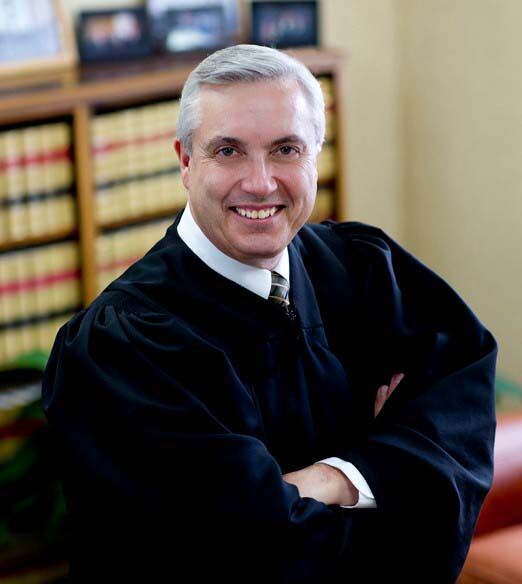
Jim Rice- MT Supreme Court Seat One
Why are you running for a seat on the Supreme Court?
D’Alton: I started my legal career as a public defender in Yellowstone County, representing Montanans charged with minor to very serious offenses. Since 1998, I have been in private practice. I opened my law firm in 2008. Over the years, I have represented Native Americans, ranchers, farmers, workers, employers, veterans, and small-business owners. I have especially enjoyed protecting the civil rights and civil liberties of Montanans. I am an experienced trial attorney. I have represented clients before juries in state and federal courts. While I have greatly enjoyed protecting the rights of Montanans, I believe I can better protect the rights of all Montanans if elected.
Rice: The Montana Supreme Court plays a critical role in our constitutional system of government, interpreting our laws and Constitution, reviewing criminal convictions, resolving disputes, and most importantly, protecting the rights of the citizen. This latter duty has never been more important than in the uncertain times we now live, which are bringing abrupt or expansive government intrusions into the life of the citizen, and the Court must be vigilant to ensure that constitutional rights are not violated. The Supreme Court has served our State well, and numerous public surveys have rated the Court very highly. I have been a justice on the Court for over 20 years, working diligently to provide a fair and unbiased application of legal principle that our citizens can respect and support, and I would like to continue this work.
What would you identify as the single most important principle that should guide a justice when deciding how to apply Montana law to a case?
D’Alton: The single most important principle that should guide a justice is fairness to all sides before the court. Fairness is secured by a Justice who is independent in thought and deliberations. That is why I have not accepted any money from potential donors. I believe judges and justices should not only be fair and independent but also maintain that image by not accepting money and endorsements.
Rice: The lodestar principle is to ensure that the law’s intent is preserved. A constitutional question will require careful reading of the applicable constitutional language against the backdrop of the delegates’ expressions at the Constitutional Convention. Likewise, a statutory issue requires careful reading of the statute’s language and structure, and, if necessary, consideration of the intentions of legislators expressed in the bill’s legislative history. A justice must set aside his or her own opinions, philosophy, and preferences, and engage in a dispassionate, “scientific” analysis of the law in question. While it is entirely appropriate for legislators to consider such things, the impartial judge lets the law speak for itself.
One stated goal of Montana’s judicial branch is to build the public’s trust and confidence in the state’s courts. What do you think is the best way for a Supreme Court justice to help build that trust?
D’Alton: Article II, Section 9 of the Montana Constitution mandates the public has the right to examine documents or to observe the deliberations of public bodies, including the judiciary, except when the needs of individual privacy clearly exceed the merits of public disclosure. I would encourage the workings of Montana’s judicial system to be open to public observation. The Montana Supreme Court could stream its internal debate on issues the public is concerned as a whole. In my opinion, this process would build the public’s trust and confidence in the Montana Judicial System.
Rice: A justice, and the Court, must firmly adhere to and protect the constitutional principles that govern the judicial branch, notably, the exclusive role of the judiciary to adjudicate the legality of actions taken by the other branches of government. I have emphasized these principles in judicial opinions, have spoken forthrightly about them in public forums, and even initiated a successful lawsuit when I believed the Legislature overstepped its authority in subpoenaing judicial and justices’ personal communications. At the same time, the Court’s authority is not absolute, and it has no army or police force to command compliance. Rather, the Court must likewise operate within the constitutional parameters governing its role in order to earn and maintain the respect and support of the citizens: not legislating from the bench or engaging in policy decisions, giving presumptive deference to the other branches, and following precedent to ensure predictability and stability in the law. As Watergate Special Prosecutor Archibald Cox said, “The power of the Supreme Court to command support depends on a sufficiently widespread conviction that it is performing the functions assigned to it, and only those functions, in the manner assigned.”
Why are you the best candidate to be a Supreme Court justice?
D’Alton: I am the best candidate because of my decades of representing all types of Montanans. I know what changes can be made to the Montana Judicial System to better serve Montanans. I have not accepted any money or endorsements, which will allow me to remain independent and impartial when reviewing cases before the Montana Supreme Court.
Rice: I've been privileged to serve Montanans for over 30 years, first as a legislator, then as an executive branch official, and now as a Supreme Court justice. In addition to this extensive experience and understanding of our system of government, I offer a proven record of impartiality, fairness, and adherence to principle, have received support from Republicans, Democrats, and Independents, have been endorsed by numerous Montana organizations, and have been a leading voice in opposition to recent efforts to undermine our institutions and the rule of law. And I love Pickle Barrel cheesesteak sandwiches, with onions.



Comments ()