
High hopes for Romney Hall
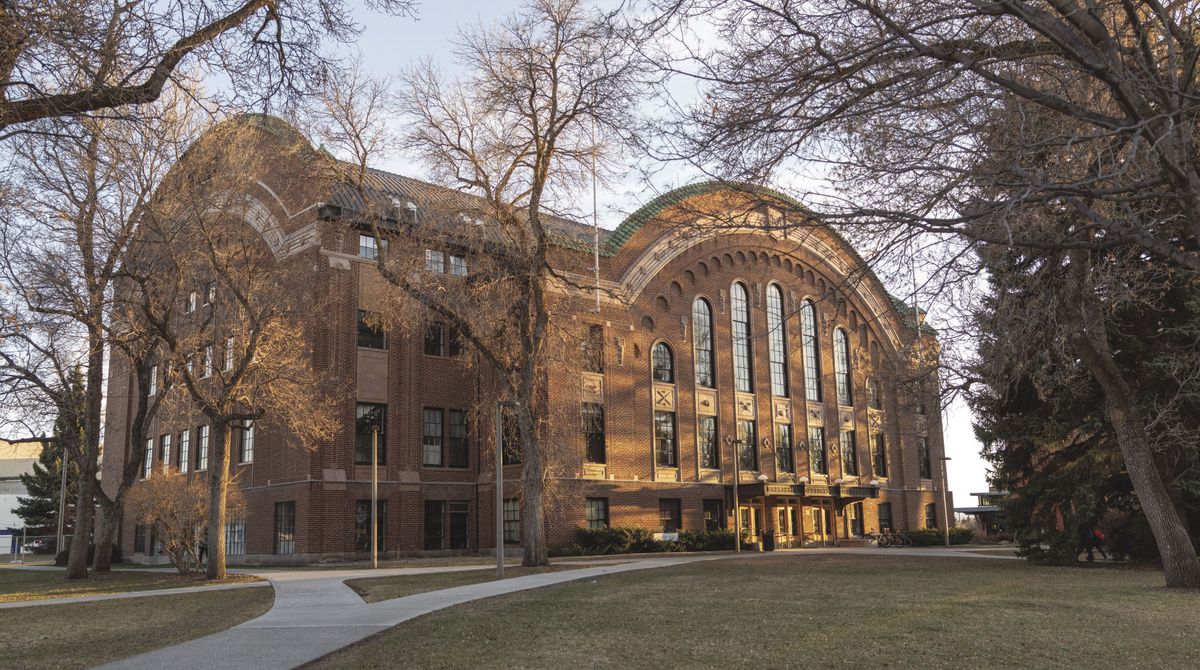
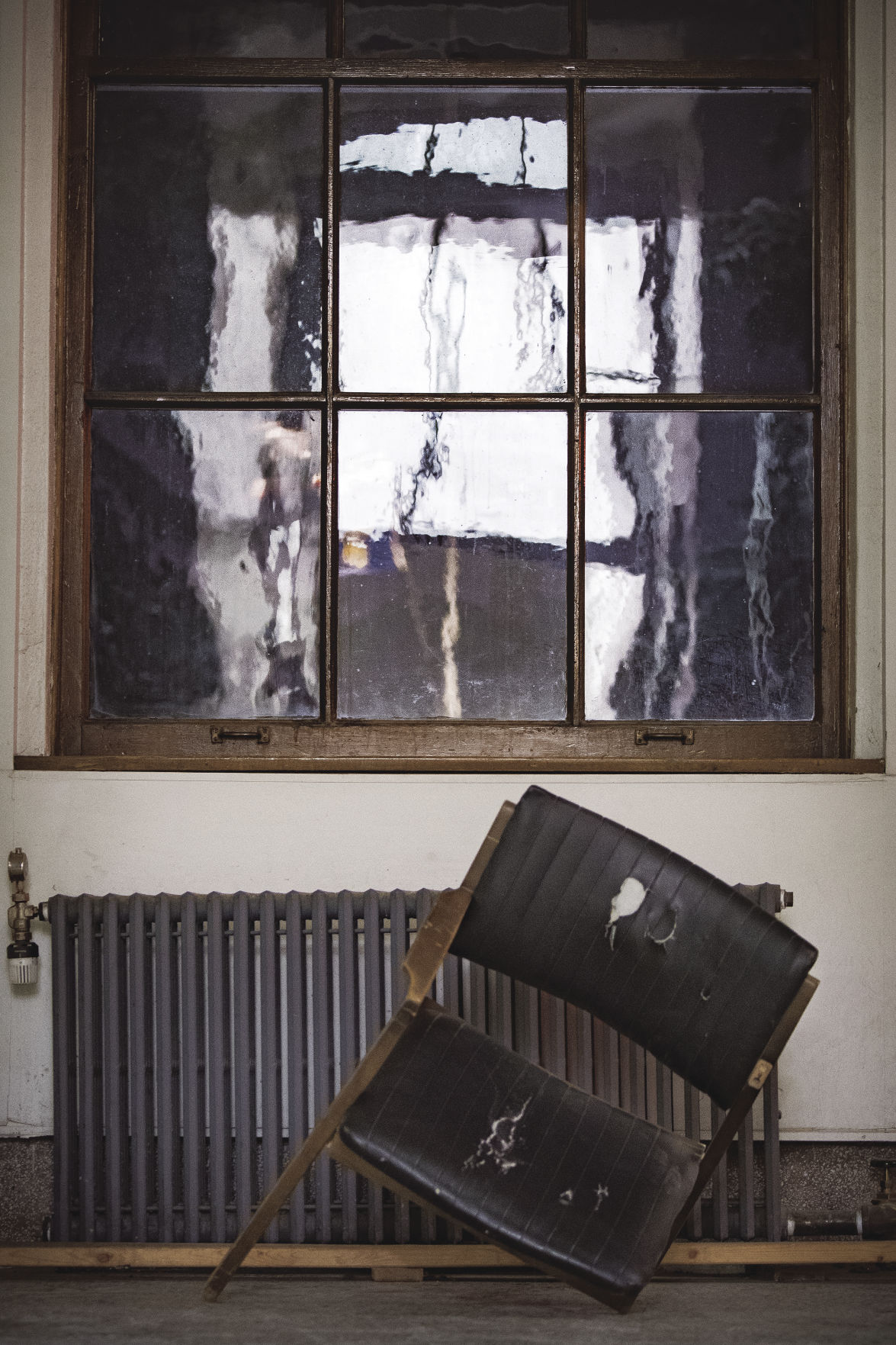
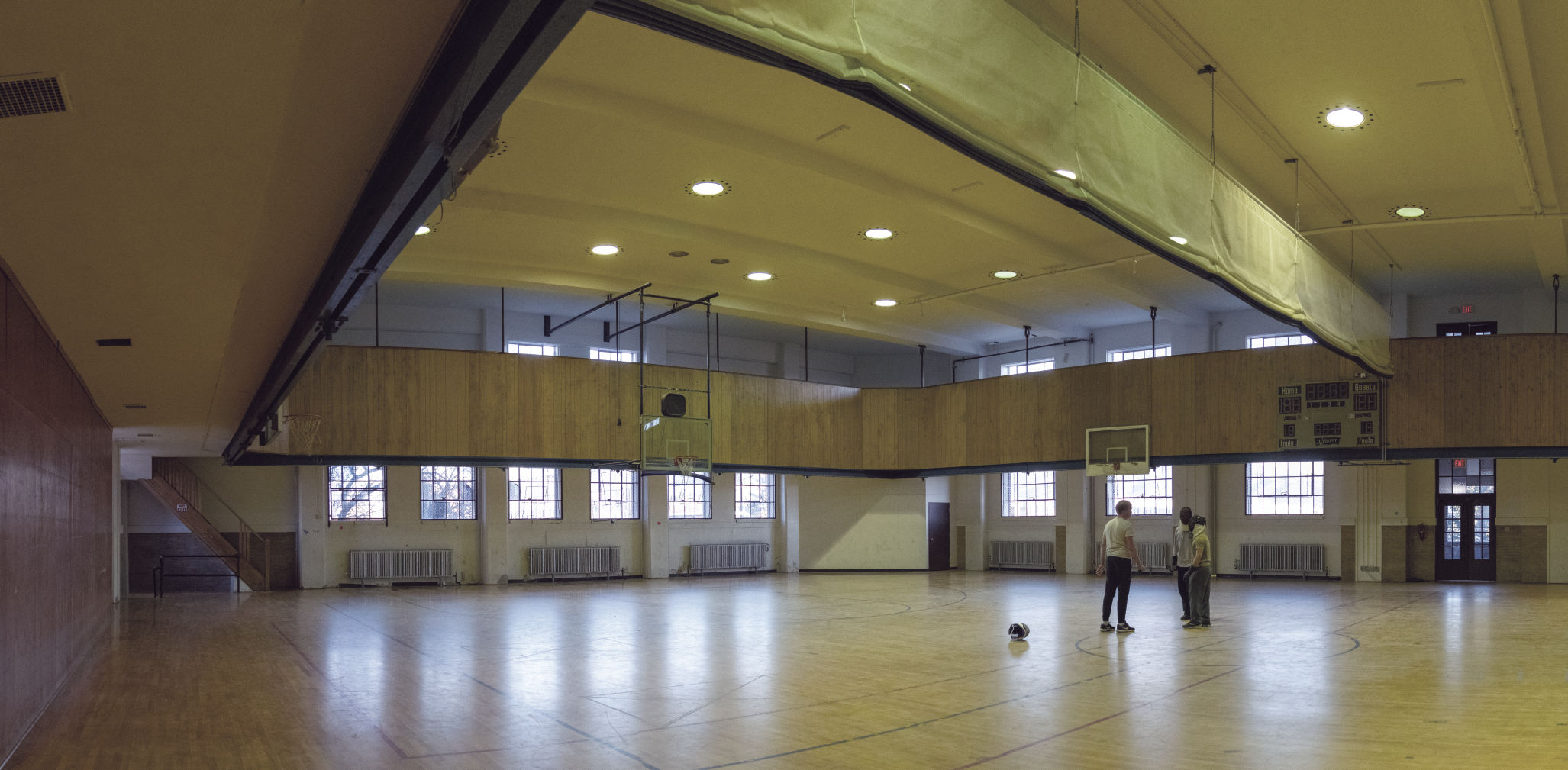
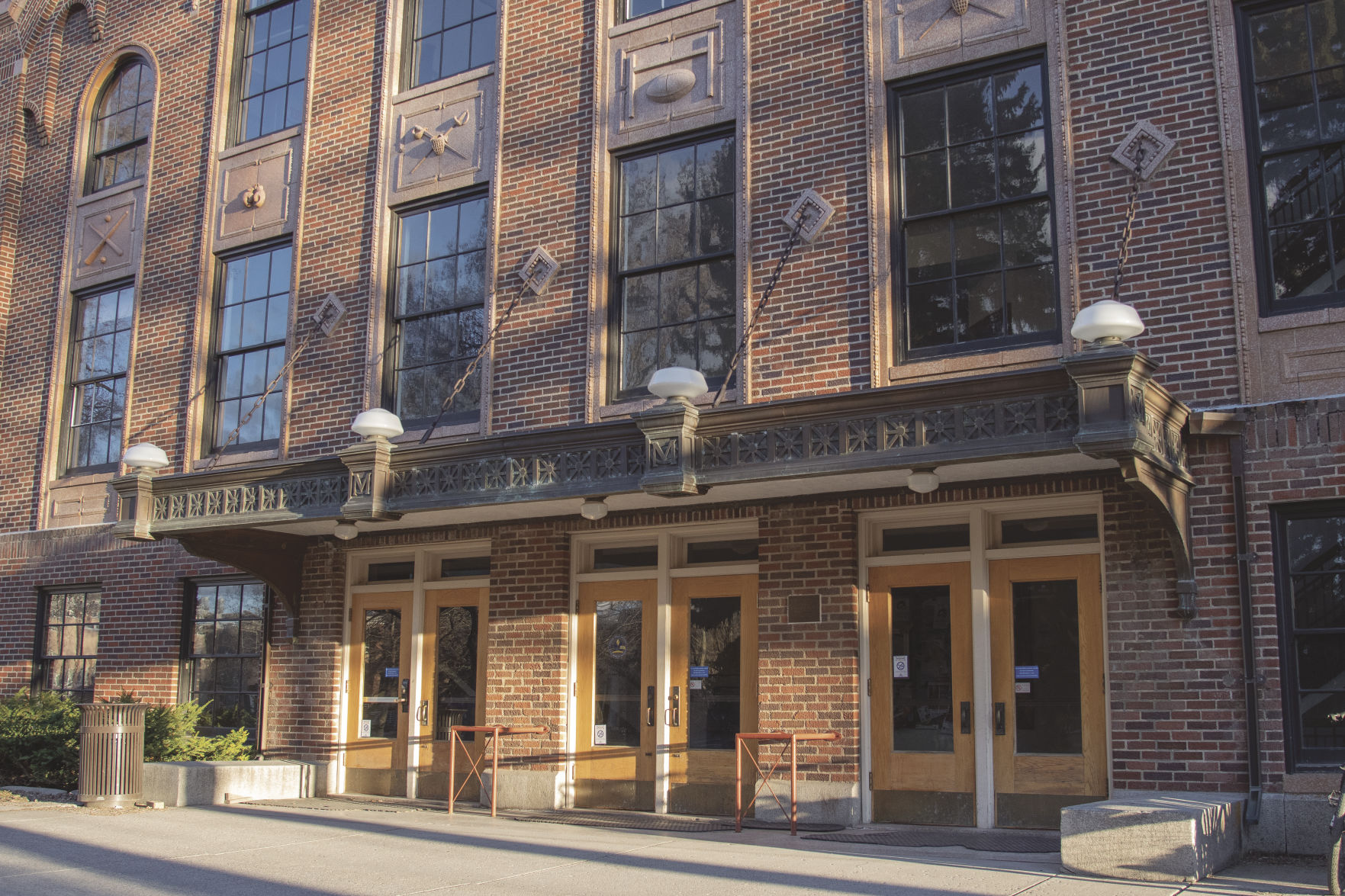
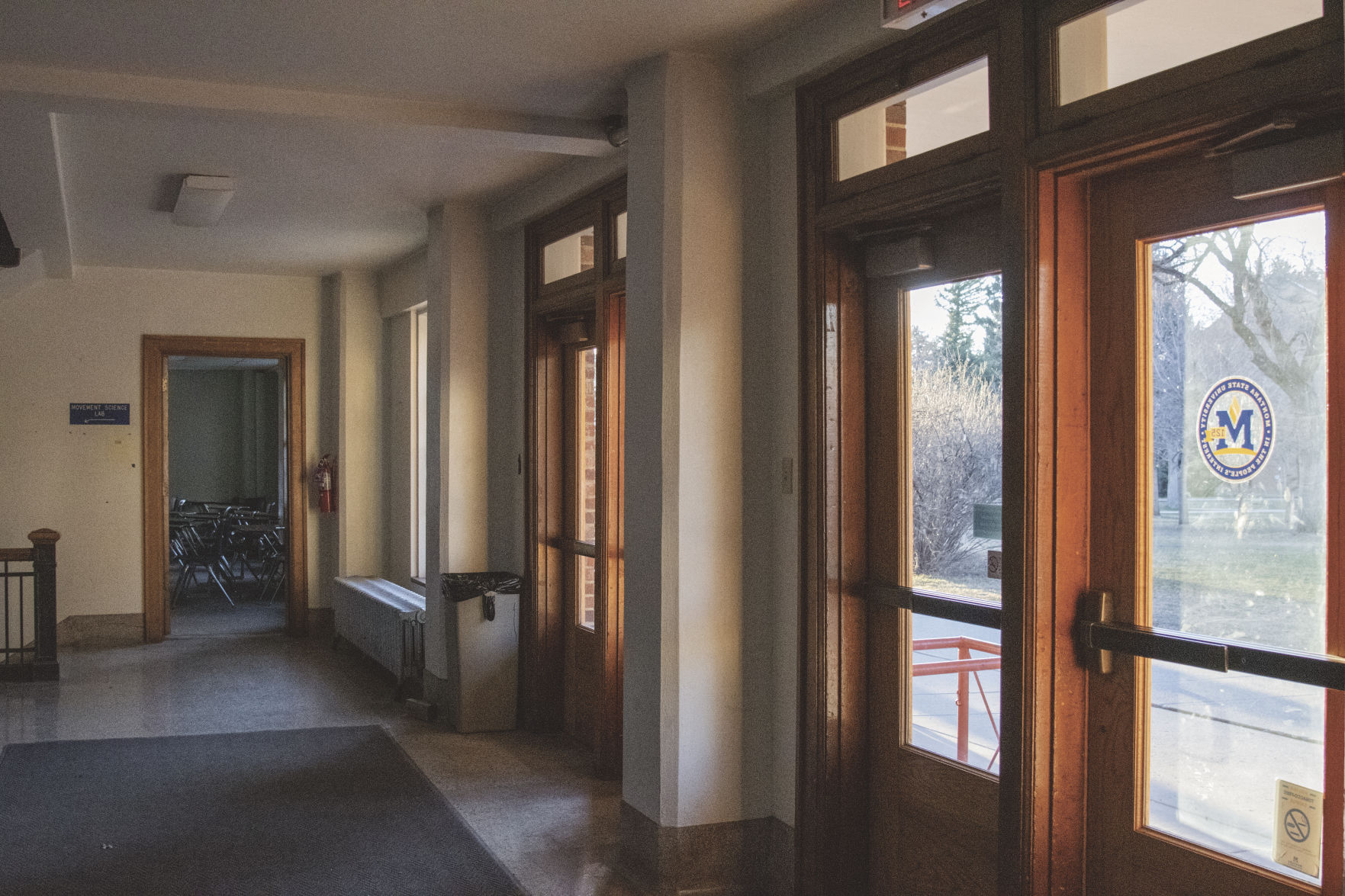
For many, Romney Hall is simply the building between Gaines Hall and A.J.M. Johnson Hall. It has a few classrooms, though they are small and underused, and a nonfunctional gymnasium constructed in 1922. Thousands of square feet of the building are completely unusable. Coupled with MSU’s rapidly growing student body, the need for a complete renovation of Romney Hall has become immediate.
Such a renovation has been regularly proposed since the fall of 2010, but the proposals to the Montana legislature for funding have never been approved. This year’s legislative section marks the fifth time that a proposal has been put forth and so far has shown the most promise of success.
There is no bill that exclusively addresses Romney Hall — instead, the funds for renovation are part of a bonded bill, known as House Bill 652, that includes funding for local communities to improve their infrastructure for water treatment, sewer systems and roads, among other projects.
On April 1, the bill passed the Montana House of Representatives after obtaining 68 votes during both sessions it was presented in. It needed 67 votes to pass. Next the bill will have to go through the Montana Senate, where it will once again have to pass two separate sessions with a supermajority of 34 out of 50 votes.
If House Bill 652 is approved, MSU would receive $16 million in bonds and $9 million in cash. The total cost of the renovation is projected at $32 million, leaving MSU to raise an additional $7 million on its own. However, if the bill fails to pass, the MSU would be forced to seek the Board of Regents’ approval to ask for funding at the next legislative session in 2021.
But what would a total renovation of Romney Hall entail? The building would be entirely gutted and the inside rebuilt from scratch. The old gymnasium will be converted into 19 classrooms, providing a total of over 1,000 new classroom seats which, if used for the full nine hours of classes a day, would provide over 9,000 hours of classroom instruction every day.
According to Tracy Ellig, MSU’s vice president of university communications, “conservatively, the new Romney Hall could receive over a million student visits a year.” On top of that, new writing centers and math centers would be incorporated into the building, as well as a veteran center.
“In the case of the veterans’ center, the new center will be more than four times larger.” Ellig said. “At peak times, the current center is frequently too crowded for all the veterans. Importantly, the new center will have rooms for private meetings with faculty, advisors and others, which the current center does not have.”
Attendance at MSU has rapidly increased over the past several years. Since 2009 total enrollment has grown by around 4,500 students. Those students require additional housing, food and classroom space.
However, in the same amount of time, MSU has only added three new academic buildings on campus: the Animal Bioscience Building in 2010, Jabs Hall in 2015 and Norm Asbjornson Hall this spring. While this helps alleviate the issue of classroom space, it doesn’t solve it entirely. Renovating Romney Hall provides a way to increase available space on campus without resorting to the construction of an entirely new building.
According to Ellig, in the best case scenario if funds are secured, ground would be broken on the project at the beginning of July with construction to be completed by the fall semester of 2022. He also stated that this renovation is the number one priority on the MSU campus as well as the number one priority of the entire Montana University System.
The new Romney Hall would be a catch-all building, designed to accommodate classes from all departments, unlike the more specialized nature of the Animal Bioscience Building, Jabs Hall and Norm Asbjornson Hall. It would not, however, incorporate space for groups like SwingCats that make use of the dance studio in the current building. Instead, these groups will be relocated into the Marga Hosaeus Fitness Center — likely in the new facilities that are to be built in the wake of the collapse of the north and south gyms.
At the end of the day Ellig said, “MSU’s number one mission is to educate students, and MSU needs classrooms to do that.” Romney Hall presents a unique opportunity to turn a piece of MSU’s history into a piece of its future, all the while improving the quality of education for all of MSU’s students. If you would like to learn more about Romney Hall, please visit www.montana.edu/romney.



Comments ()