
Montana State 'heartbroken' to lose NCAA Skiing Championships but hopeful to host again
As Bozeman’s winter wore on with little snow, rumors began to circulate among the members of the Montana State ski teams about the fate of the 2026 NCAA Skiing Championships.
In recent weeks, Alpine head coach Kris Shampeny tried to keep his athletes positive, saying nothing had been decided and that backup plans were in the works. But a decision from the Division I Cabinet Subcommittee came Tuesday morning.
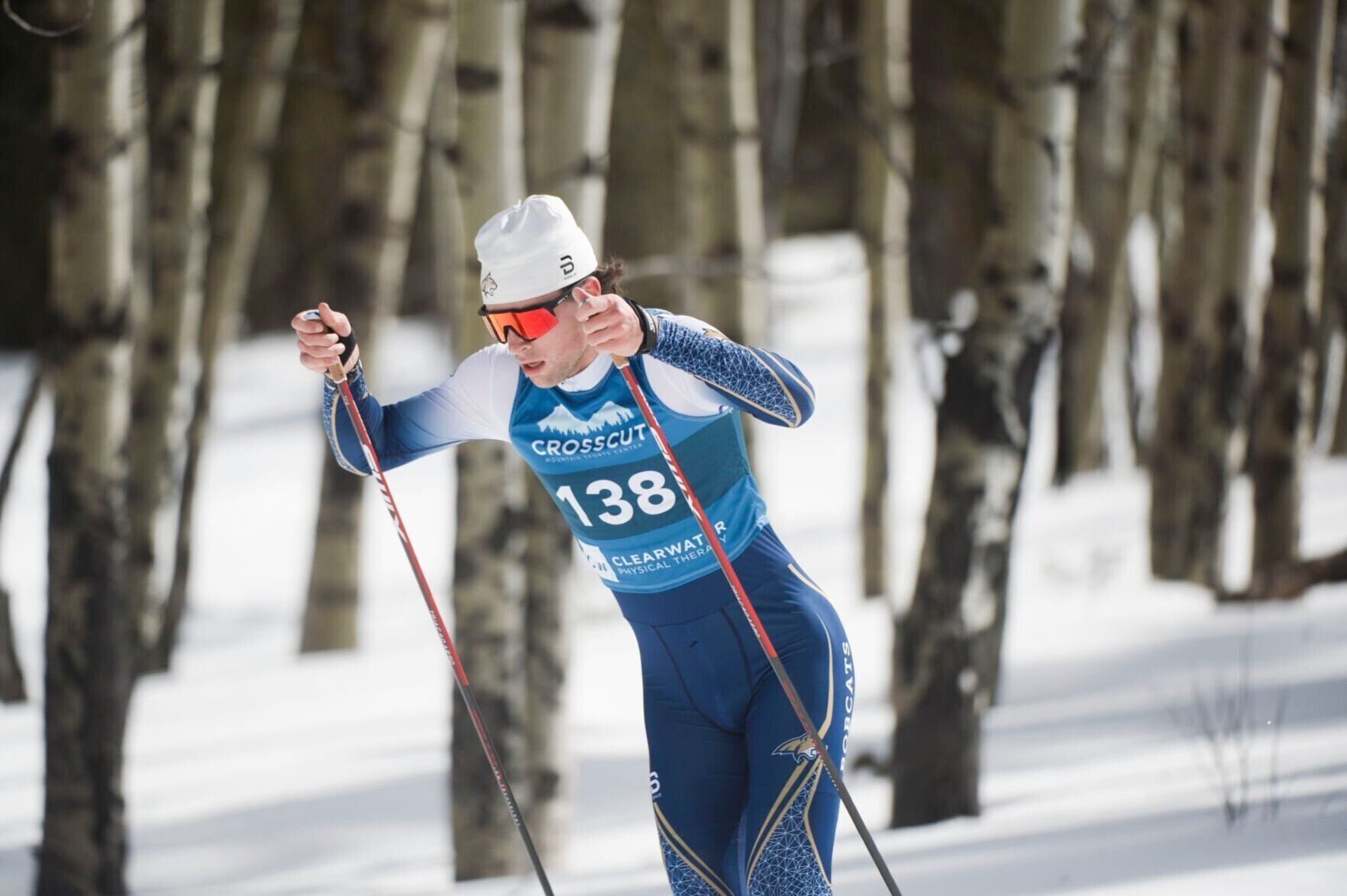
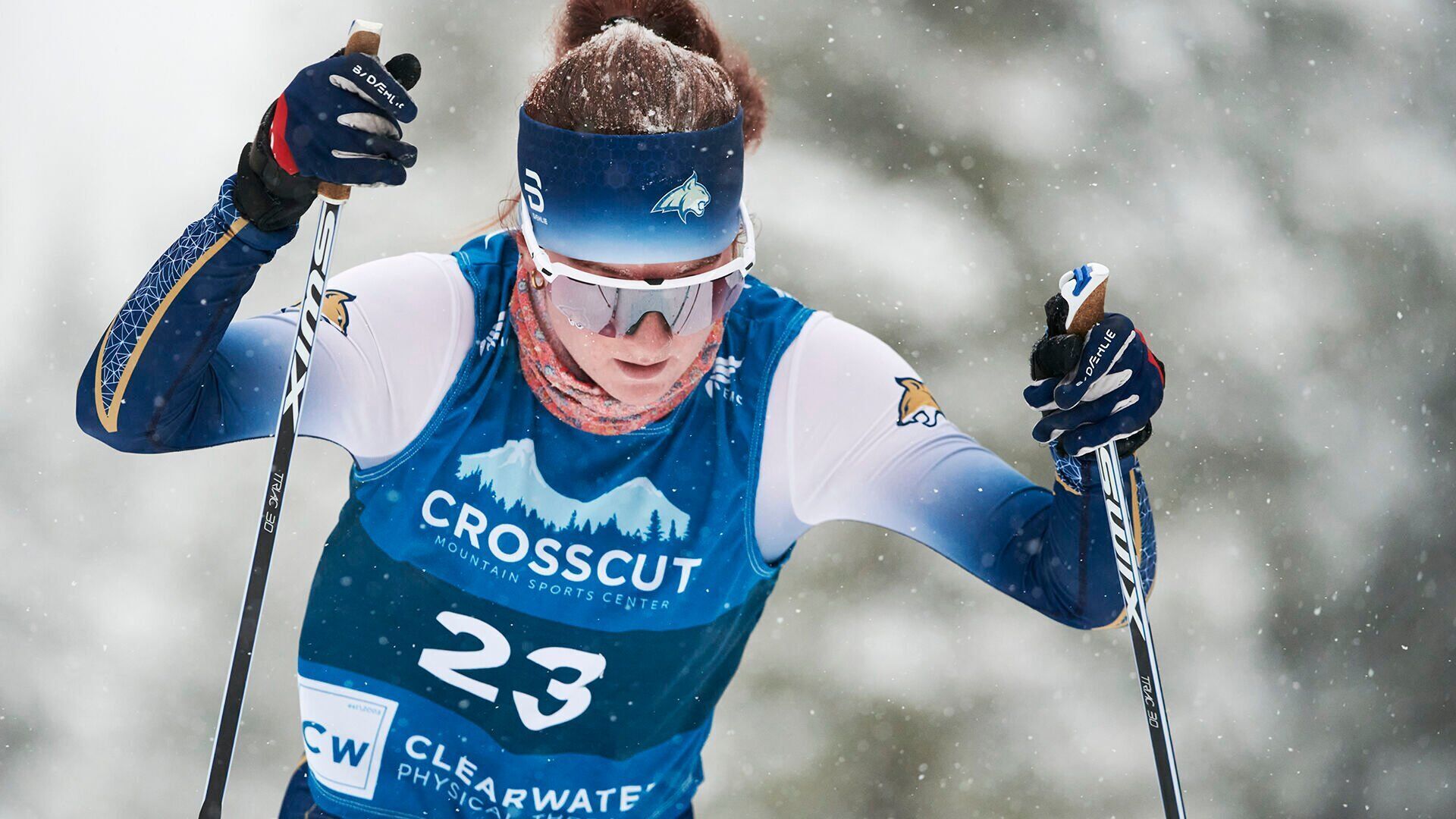
Citing an “unprecedented lack of snow,” the NCAA announced via press release that Bozeman’s Bridger Bowl Ski Area and Crosscut Mountain Sports Center would no longer host the Alpine and Nordic championships and that they would be moved to venues in Utah.
The reaction among MSU’s skiers has been profound grief.
“I know there was a lot of pride for them and excitement to have that championship event here,” Shampeny said. “They’re pretty heartbroken that it’s moving down to Utah.”
Jim Dwyer, committee chair and director of skiing and head coach of Alpine skiing at Dartmouth, was quoted in the NCAA’s press release saying that the low snowfall in the Bozeman area this winter “has forced the championships to Utah, where we are confident that we will have the championship event that we have become accustomed to having.”
Park City’s Utah Olympic Park and Midway’s Soldier Hollow Nordic Center will now host the NCAA’s championship events March 11-14. The University of Utah, in Salt Lake City, will serve as the host institution.
MSU Nordic skiing coach Adam St. Pierre said the school was hoping for about two more weeks before a decision would be delivered.
“The NCAA has never (relocated) the championship,” said Jamie Rizzuto, MSU’s senior associate athletic director for student services, “so the timeline was unknown. I think protocols will probably be written moving forward, like how far in advance you need to make that call.”
According to Jim Brusda, lead meteorologist at the National Weather Service in Great Falls, the SNOTEL sites closest to Bridger Bowl, named Sacajawea and Brackett Creek, both show snow on the ground with measurements of 15 inches (58% of normal) and 42 inches (86% of normal) as of Tuesday. Brusda said the measurement at Sacajawea is “near record low for this time of year.”
Despite those figures, Jason Prasek, the mountain operations manager at Bridger Bowl, said Wednesday the ski hill has received “pretty decent snow coverage most of the winter.”
The issue, according to Prasek and MSU officials, was the amount of snow at Crosscut. While Bridger may have been able to accommodate the Alpine events, there was worry the snow levels at lower elevation would not have been suitable for the Nordic races.
St. Pierre said there is no minimum snow cover that must be reached to host.
“We could probably race with eight to 10 inches,” he said. “We had three or four, so we weren’t quite there.”
Laurie Stahle, senior director of communications for Crosscut, wrote in an emailed statement that the facility’s staff was “very disappointed” about the need to relocate the Nordic events but understood the NCAA’s reasoning.
“We recognize that with snow conditions still evolving and a national championship requiring confidence in courses, organizers needed to make a decision now to ensure certainty for athletes and teams,” Stahle wrote.
MSU personnel had created backup plans in case Crosscut was deemed unfit, St. Pierre said. One was to host the Nordic races in West Yellowstone and, potentially, Alpine races in Big Sky, in hopes of keeping the event sites close together.
The logistics, Rizzuto said, would have been challenging — especially at venues that had not hosted these events.
“These (teams) don’t get to be at the same venue very often all year, and NCAAs is when we get to cheer for one another and go watch the other team on the off days,” Rizzuto said. “It’s a big ski event where everyone’s together, and different locations was going to make that harder.
“Utah’s hosted enough that they’re able to (accommodate a relocated event) in a month, which is super impressive.”
Bozeman’s skiing venues previously welcomed the NCAA Championships in 2012, 2008, 1998, 1996, 1985, 1983 and 1960. MSU served as host of the 2020 championship, as well, but those events were canceled after the second day of competition due to the onset of the COVID-19 pandemic.
“It sort of feels like we’re cursed,” St. Pierre said. “In 2020, global pandemic; 2026, worst winter ever. The first time the NCAA has ever had to relocate the championship event, the first time we’ve ever not had snow by February. So it feels pretty historical in the bad way.”
St. Pierre added that, as Nordic coach he feels a sense of guilt that the lack of snow required for his team’s discipline was to blame for the re-siting of the NCAA Championships.
“I think it’s a particular bummer for Kris, because the last two times they’ve hosted, we’ve had too much snow for them to have a good racing surface,” St. Pierre said. “So this was setting up to be a really good racing surface on their home mountain, but because we just don’t have the snow for the Nordic courses, I kind of feel like we’re letting the Alpine guys down.”
Bridger Bowl will still host the Alpine events of the Rocky Mountain Intercollegiate Ski Association Championships, scheduled for Feb. 27-28.
“We had been making more snow for a few spots that still needed it on the race course,” Prasek said, “so that’ll be utilized for the regional race.”
The Nordic portion of that meet will be at Utah’s Soldier Hollow.
There is optimism among all parties in Bozeman that the NCAA Championships will return to Montana, though.
“We’re proud of what we’ve built here,” Stahle wrote of Crosscut, “and we remain hopeful Bozeman will have another opportunity to host in the near future.”
Rizzuto said MSU will keep bidding to host NCAA Championships. Sites are typically arranged on six-year cycles, so the athletic department is keeping an early eye on 2032.
“Hopefully we get it back sooner than later,” Rizzuto said. “If we get assigned it earlier, we’re ready to go. We have the template, and we know what we need to do.”
More snow is a crucial part of that plan, but one of the certainties MSU can rely on is the support from Bridger Bowl and Crosscut staff and various other volunteers who help put on the production.
“They put in so much effort and committed so much time and resources to host these events and help us do it,” Shampeny said. “And then with having it moved, it’s just tough, I think, for them as well to swallow. I feel really bad about that, but we appreciate everything they do for us because without them we couldn’t make it happen.”

Comments ()