
MSU computer paves way for cheaper, stronger spacecraft technology
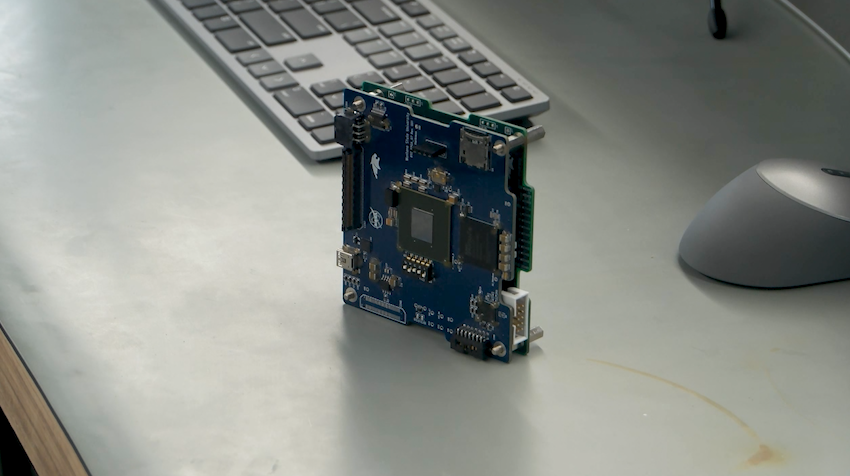
BOZEMAN, Mont. — A computer designed at Montana State University landed on the moon last spring as part of ongoing space exploration research.
The computer, called RadPC, is designed to withstand high doses of radiation and recover quickly if that radiation causes it to crash.
"This computer would be something that you could choose for a future satellite or a spacecraft that would be higher performance of what's in there now and also lower cost," said Brock LaMeres, an MSU computer engineering professor.
As this computer is further developed, it could also be used on satellites that people connect to when placing calls or that meteorologists use when forecasting the weather.
The unmanned Artemis I mission did similar work, collecting radiation data to see how the spacecraft will protect a crew in later missions, like Artemis II.
LaMeres explained that his team has included more than 100 students over the years and sent previous models of the RadPC into space. These students are getting experience that can lead to careers after graduation.
"It's a total different level when you actually build space hardware and go through all the design reviews and the procedures that NASA requires in order to actually put something in the space," LaMeres said. "And so that's a level of expertise that's highly sought after by the aerospace industry."
RAD PC spent time orbiting the Earth. It then had around two weeks to collect data and transmit it back after reaching the moon. That data will inform LaMeres' team for future computer developments and missions.
"Over the next decade, you're going to see a lot of different missions and every one of those needs computers that allow the spacecraft to make decisions on the fly," LaMeres said.
NASA says one of their goals with the Artemis II launch is to continue collecting radiation data to learn how best to protect their crews as they travel to the moon.



Comments ()