
MSU professor explains how wildfires impact Montana ecosystems
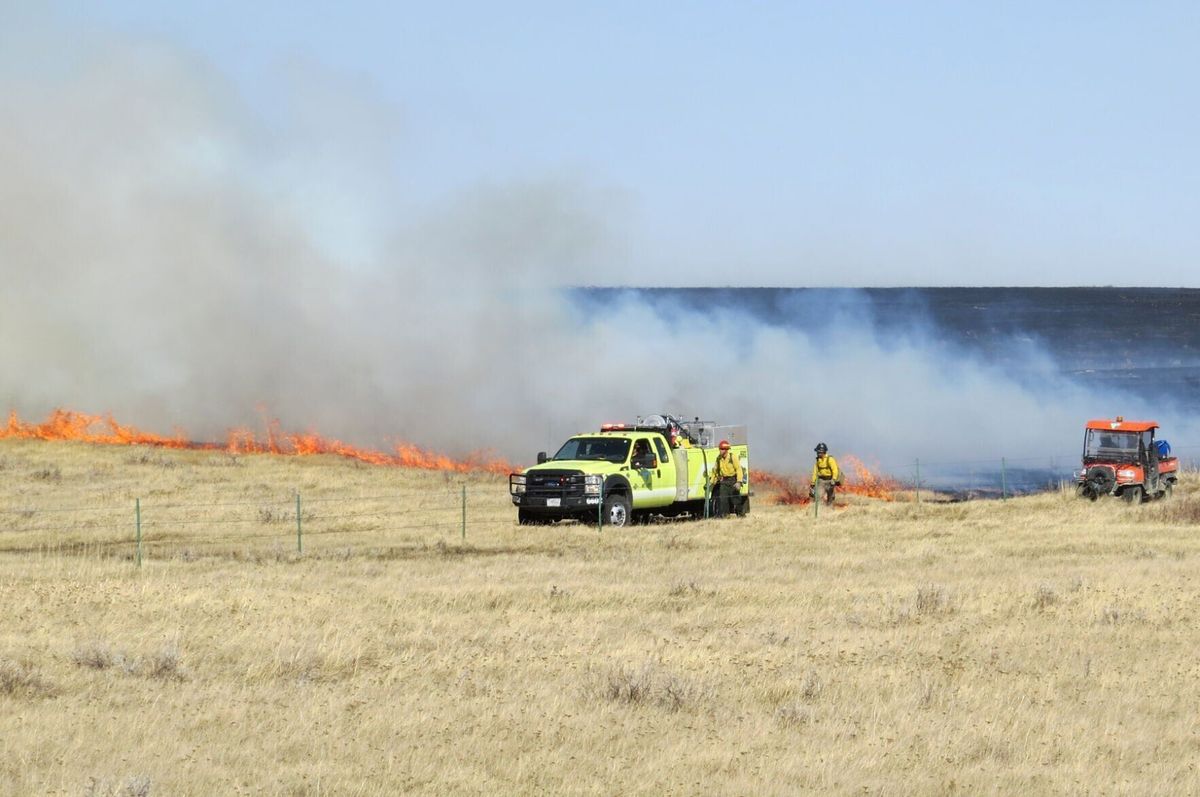
BOZEMAN, Mont. — As unseasonably early wildfires pop up across Montana this spring, including the Panama Fire near Cardwell and the Ordway Fire in Lewis and Clark County, researchers are examining the impact these fires have on local ecosystems.
Wildfires have occurred in Montana for thousands of years and can be beneficial for maintaining ecosystems. Montana forests are adapted to allow fires and Indigenous communities used fire to manage forests. Prescribed burns are still used today.
David McWethy, an MSU professor who studies wildfires, said prescribed burns serve an important purpose.
"In a nutshell, they reduce the woody fuel load so that you don't have so many shrubs and small trees that can really make a kind of a low severity or low intensity surface fire that's running through grass much more dangerous to people," he said.
Over time, fires can improve soil quality and help release trapped nutrients into the ground. They can also promote growth of helpful vegetation.
McWethy and other researchers are currently studying how prescribed burns can help wildlife in central Montana.
"It can really improve the forage for a lot of ungulates, a lot of the species that people like to hunt and see around the landscape. It also can really promote rapid regrowth of a lot of berries, choke cherries and huckleberries in the forest environments and other berries that are good for wildlife and people," he said.
However, large fires at low elevations have much more potential to do harm, by destroying human property and ecosystems.
"When you get really large hot fires, in a drought type situation, it can be damaging to ecosystems. They take longer to recover. Some of the low elevation forests may not return to forests. They just may stay grass under shrubland," McWethy said.
McWethy says there is still time to get precipitation before summer fire season arrives.
As fire season approaches, McWethy says it's not too early to start planning and preparing. For homeowners, that can include removing vegetation and fire fuel on property to protect homes.



Comments ()