
Researchers explore the human factors in avalanche safety
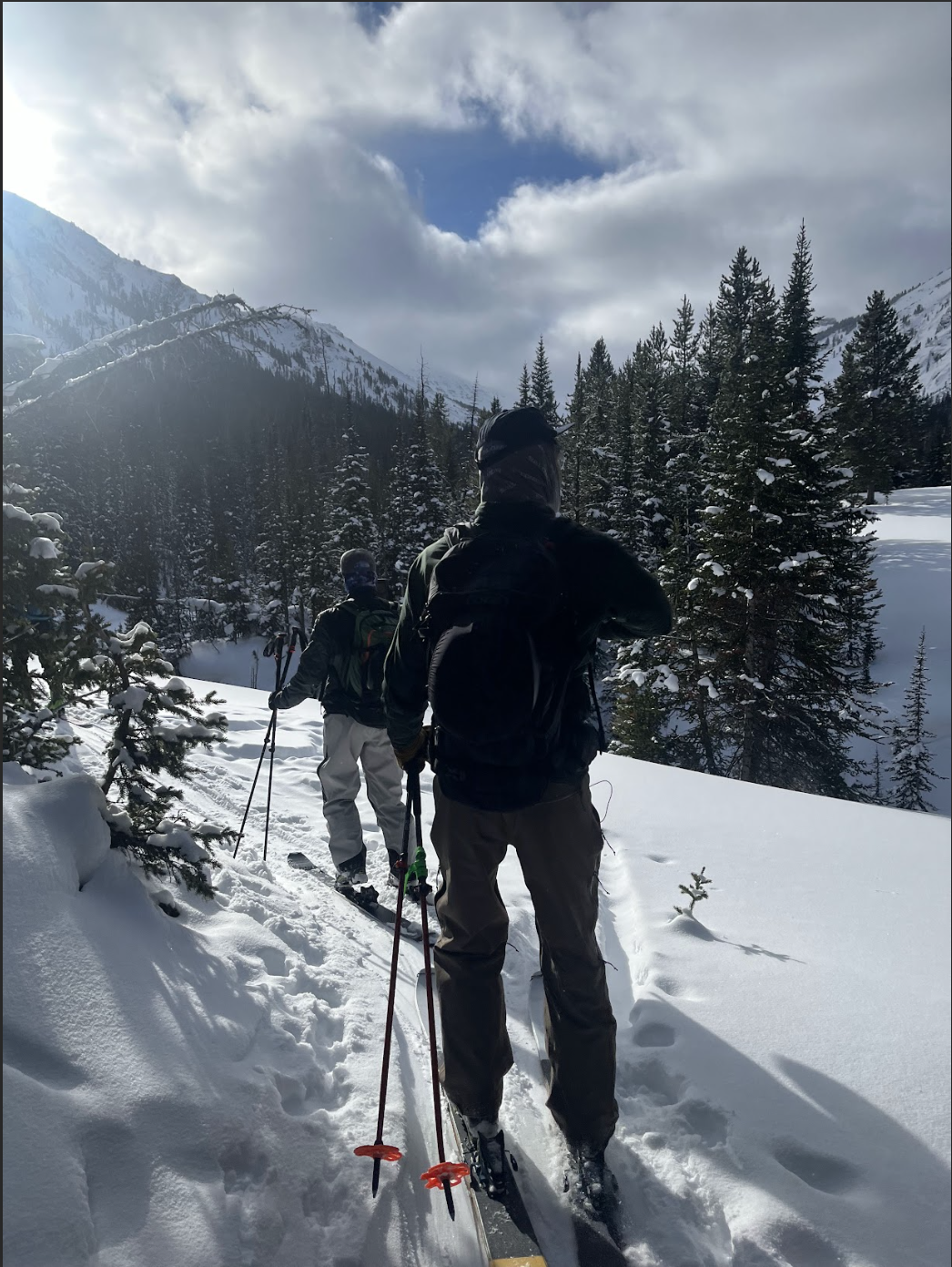
In the world of avalanche safety, most lessons focus on analyzing snowpacks and slopes. However, according to researchers Jerry Johnson and Jordy Hendrikx, the real danger lies in human behavior — how people think, interact and sometimes push each other beyond safe limits.
They wrote their book “Making Decisions in Avalanche Terrain: Human Factors in Theory and Practice” to teach skiers, snowboarders and hikers how to deal with and prevent avalanche-related accidents. The book focuses on the relationship between human decision-making and avalanche danger and how factors such as peer pressure can increase risk.
Starting in 1988, Johnson worked as a political science professor and research associate for MSU’s Snow and Avalanche Laboratory, a position he remained in for nearly 35 years. He specialized in survey research and design and decision science.
Hendrikx is the former director of the MSU Snow and Avalanche Laboratory. He is globally recognized in the fields of snow science, avalanche forecasting and climate change.
Johnson and Hendrikx felt inspired to write the new book after the tragic loss of Olivia Buchanan — one of their students in the snow and science program at MSU — in 2015. Buchanan was an experienced skier with avalanche training, according to the book's website.
While near her home in Colorado, Buchanan was caught in an avalanche that prompted an ultimately unsuccessful high-risk rescue mission. Following her death, Johnson and Hendrikx said they knew that avalanche safety education needed to change.
The pair combined survey research with GPS tracking to study what drives a human being to make life-threatening decisions, according to Johnson. Over 12 years, they analyzed the data and found that the biggest threat to the average backcountry explorer with little to no avalanche training is peer pressure.
“We [had] what the people [were] thinking as they were on tour, and then we actually had their digital footprint so we could see what they were telling us they were doing, but then we could also see what they were actually doing,” Johnson said.
He explained that people are at higher risk in groups because they want to show off to their friends, which results in reckless behavior.
“We found evidence of things like peer pressure, self-imposed pressure, which is something called positionality, where we behave in such a way as to try to get access to a peer group that we want to be a part of,” Johnson said.
Along with peer pressure, he described social media as another contributing factor to the decision-making process. According to him, social media creates a wider range of people to impress, leading many to seek validation from complete strangers.
According to Johnson, the University does not offer any avalanche safety education focused on human behavior. “As a whole, the industry is moving towards more human factor kinds of considerations, but it's still way behind. There's no funding for it. It's not very sexy,” Johnson said.
Along with his book, Johnson said that MSU students can utilize the Gallatin National Forest Avalanche Center, which hosts events for avalanche awareness.
In addition, the Outdoor Recreation Program (ORP) offers a Beacon Park where students can practice their avalanche rescue skills. The University also provides several snow science classes through the Department of Earth sciences.
To learn more about the book “Making Decisions in Avalanche Terrain: Human Factors in Theory and Practice,” visit https://www.avalanche-decisions.com/.
To learn more about the Gallatin National Forest Avalanche Center, visit https://www.mtavalanche.com/workshops/calendar.
To learn more about ORP’s Beacon Park and other avalanche clinics, visit https://www.montana.edu/wellness/campus-recreation/outdoor-recreation/beacon-park.html.

Comments ()