
University of Montana professor discusses Iran's political future
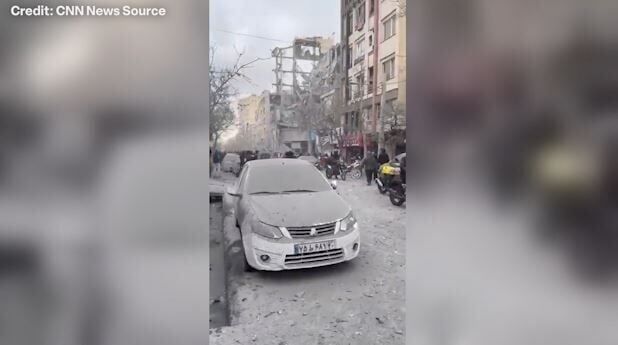
MISSOULA, Mont. – A University of Montana professor with roots in Iran shared insights on the current situation in the Middle East and its potential long-term impact.
Dr. Mehrdad Kia, who has been teaching Middle Eastern history for over 30 years, expressed his concerns about the ongoing escalation in the region. He emphasized that the current situation is not solely about military actions but also involves a young population, a longstanding power struggle, and a quest for justice.
"I’m very worried about what is taking place," Kia said. "But I have to also say this. There was a sense of jubilation on Saturday when the leader, Ali Khamenei, was killed because he, for the majority of Iranians, symbolizes real evil, real oppression and vile and tyrannical rule, which they had to endure for all these years."
Kia noted that Iran's population has more than doubled since the 1979 revolution, with most citizens now under the age of 30. He highlighted that years of internal unrest, economic strain, and failed nuclear negotiations have contributed to the current situation.
He also mentioned that recent military activities have primarily targeted government and security infrastructure rather than civilian areas. However, he expressed concern about the potential consequences if the conflict expands.
"I see it as cracking. The military and security forces are cracking. It doesn’t mean they’re not going to be dangerous. I think there will be casualties. There’s going to be some real pain coming our way. But I don’t think they’re insurmountable," Kia said.
Kia believes that the events unfolding could determine not only Iran's future but also the stability of the entire Middle East.


Comments ()