
‘Unprecedented in scale’: IEA releasing record oil reserves as Iran war cuts petroleum flows, sends crude, gas prices higher
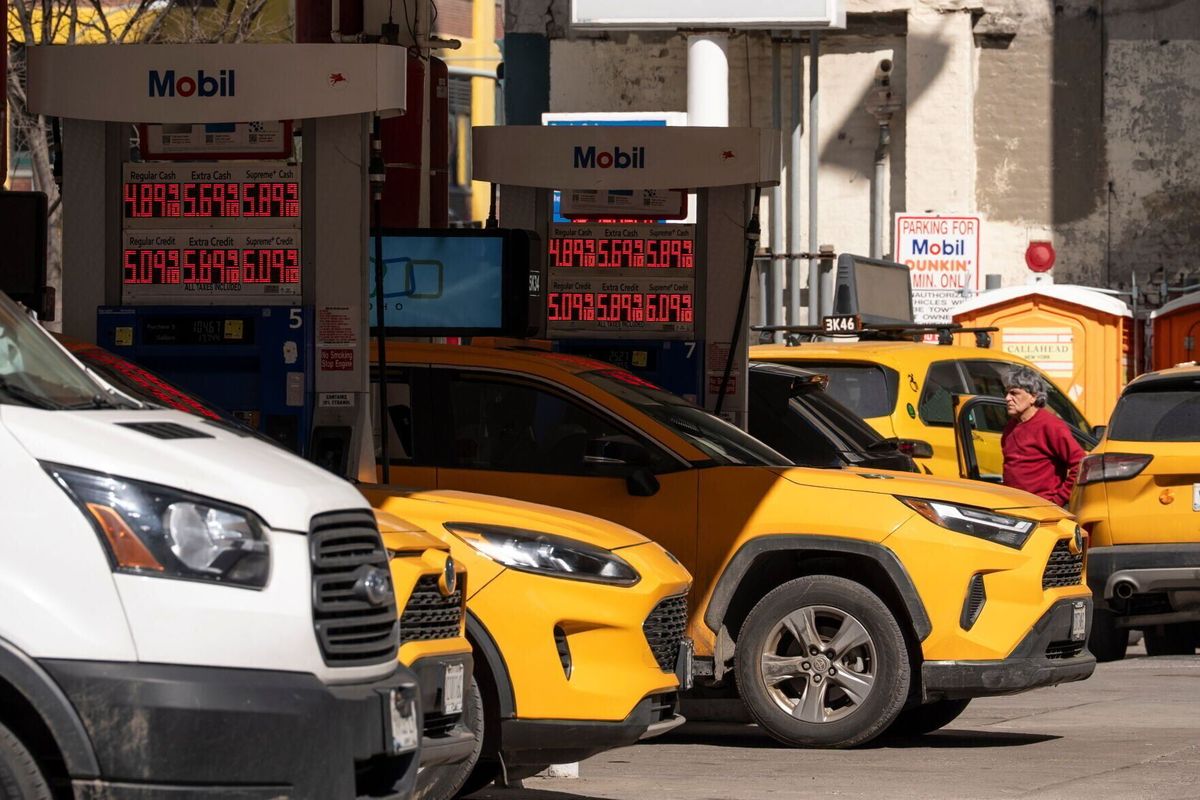
The International Energy Agency (IEA) is releasing a record 400 million barrels of oil available to international markets with the war in Iran curtailing petroleum and cargo flows in the Persian Gulf.
IEA Executive Director Faith Birol said Wednesday that is a record release and is in response to the war impacting cargo flows and Persian Gulf oil producers cutting production as they run out of storage space.
Birol said that the war has curtailed 25% of the world’s oil production and shipment via sea.
Iran has sought to stop Persian Gulf oil production and outflows with attacks on tankers and cargo ships and oil facilities in the region.
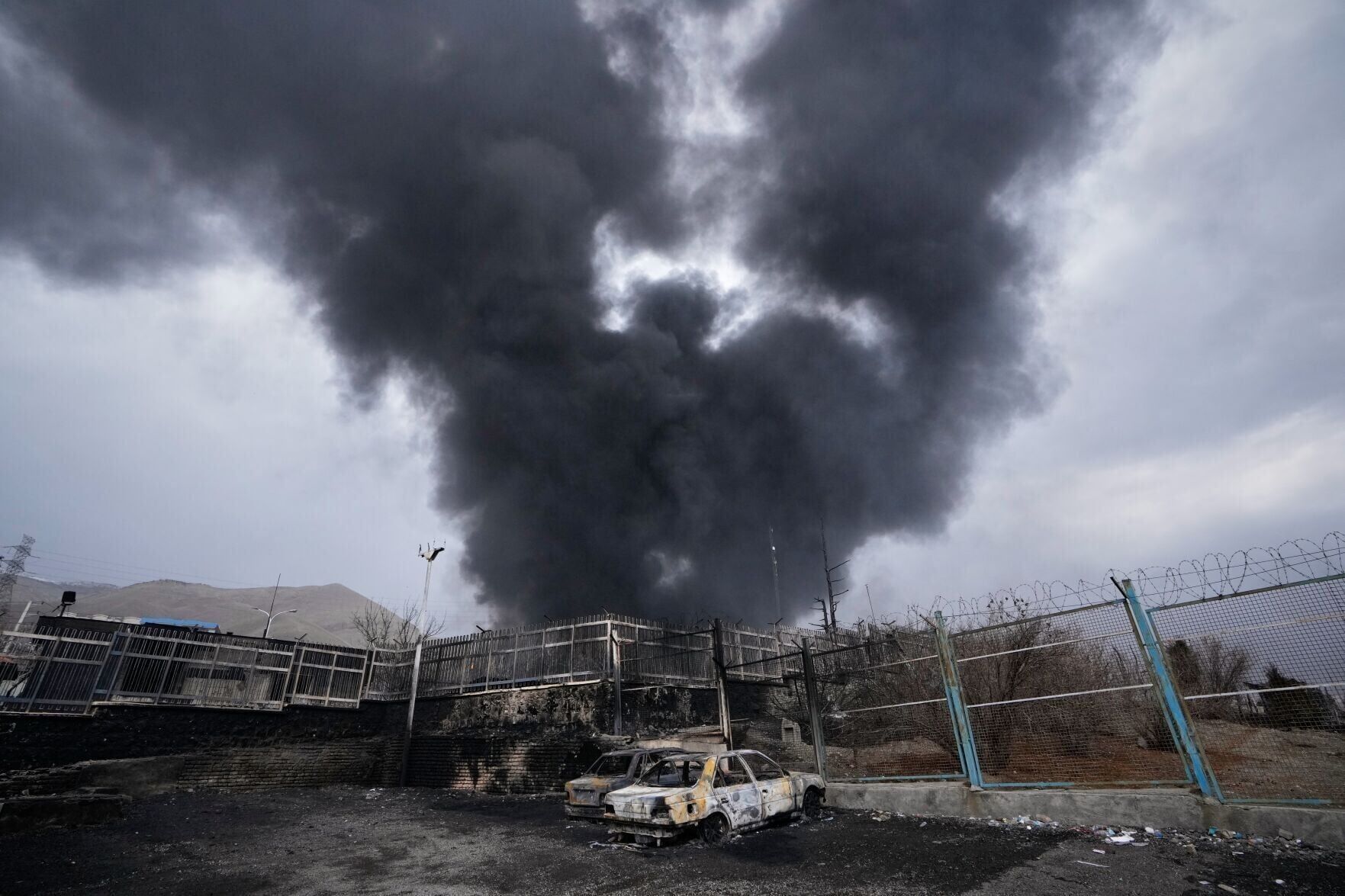
Israel has also bombed some of Iran’s petroleum facilities.
“The oil market challenges we are facing are unprecedented in scale, therefore I am very glad that IEA Member countries have responded with an emergency collective action of unprecedented size,” Birol said. “Oil markets are global so the response to major disruptions needs to be global too. Energy security is the founding mandate of the IEA, and I am pleased that IEA Members are showing strong solidarity in taking decisive action together.”
The IEA’s members include the U.S., Mexico and Canada as well as European countries, Japan and South Korea.
Birol said the war impacts on oil flows are being felt most in Asia and Europe.
“IEA members hold emergency stockpiles of over 1.2 billion barrels, with a further 600 million barrels of industry stocks held under government obligation. The coordinated stock release is the sixth in the history of the IEA, which was created in 1974. Previous collective actions were taken in 1991, 2005, 2011, and twice in 2022,” the agency said in a statement.
IEA has released oil reserves previously in response to the first U.S. war in Iraq, Hurricane Katrina, Libya’s civil war and after Russia’s 2022 invasion of Ukraine.
Three cargo ships have been struck by “unknown projectiles” off the coast of Iran in the Strait of Hormuz as the Middle East war brings higher crude oil and gasoline prices.
United Kingdom Maritime Trade Operations reported the cargo ship and tanker attacks Wednesday.
The British maritime agency reports 13 attacks on cargo ships and oil tankers in the Persian Gulf region since U.S. and Israel launched their war against Iran’s Islamist regime Feb. 28.
U.S. crude oil prices are up 28% since the start of the Iran war. Oil was trading at approximately $86 per barrel Wednesday compared to $67 per barrel before President Donald Trump and Israeli Prime Minister Benjamin launched the war against the theocratic Islamist Iranian regime.
International oil prices are up 26% since the start of the war, trading at more than $90 per barrel Wednesday up from $72 per barrel before the war.
Oil prices did move above $100 per barrel Sunday and Monday on worries about the war, but have retreated some from those highs.
Trump has promised to batter Iran if they attack or impeded oil flows.
In the U.S., gas prices are averaging $3.58 per gallon are up 20% since the start of the war, according to AAA’s Fuel Gauge Report.
The average price of gas is $5.34 per gallon in California, according to AAA.
In Montana, the average price of gas is $3.21 per gallon, In Florida, it’s $3.70 per gallon, In Minnesota, it’s $3.25 per gallon, according to AAA.


Comments ()