
U.S. Poet Laureate speaks for MSU's celebration of Indigenous Peoples' Day
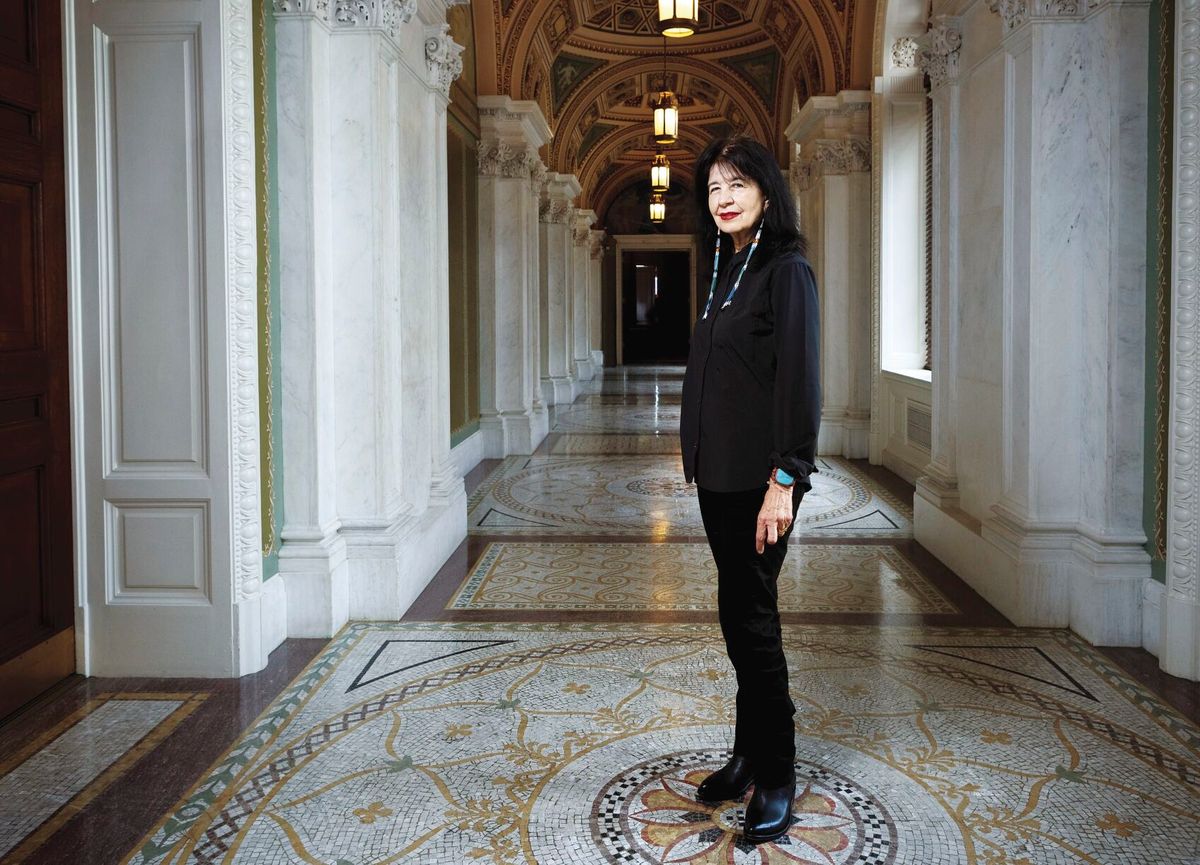
Language has power. Words impel movements and cease conflict. Books create communities and define cultures; villages are built within pages. For poet Joy Harjo, the power of language is a very important one. As the incumbent United States Poet Laureate, Harjo’s life is based on the influence that stories have on people and how words can “shift the quality of the world.” She believes it’s her job as a poet “to make a place for [words] to live.”
Being the United States Poet Laureate is a prestigious honor given to the best poets in the country. Harjo, a member of the Muscogee Creek Nation, was first appointed in 2019 and became the first Native American to hold the title. According to Harjo. The position of the Poet Laureate “represents poetry and its traditions,” but it’s even more personal for her, in that it has allowed her to create “a doorway [for others] to be able to see Native people… and to see that [they] too are a part of this country.”
Typically, Poet Laureates travel the world to read poetry and speak on behalf of the United States. Harjo’s work has taken her to many countries and homes across the globe, where she has the opportunity to share her stories and listen to the stories of many others. However, this year Harjo said she’s been stuck in her home due to COVID-19. With her extra time, she’s been working on a “story map that will showcase contemporary Native poets,” which she’s hoping will be available in November in the Library of Congress databases.
Harjo has also been active on Zoom calls, reading poems from her desk. On Monday, Oct. 12, MSU had the pleasure of hosting her for Indigenous Peoples’ Day. Previously observed as Columbus Day, Indigenous Peoples’ Day is a day for the celebration of Native cultures and histories. Traditionally, the holiday is celebratory with pow wows and festivals but, with the pandemic, MSU turned to a virtual event with Harjo to keep the spirit alive.
The event was free and open to the public, and Harjo spent time discussing her current adventures and reading from various poems, including many of her own, including “For Calling the Spirit Back,” “Rabbit is up to Tricks,” and “How to Write a Poem in the Time of War.” Though there were some small technical difficulties, her message still rang true — the words we speak and the things we do mean something. “Poets are truth-tellers,” she said. “And poetry is the language beyond words. [We] speak the things that cannot be spoken, and hold the things that are too heavy to hold.”
After the event, the Exponent had the wonderful pleasure of interviewing Mrs. Harjo, and we spoke about her career and goals as she continues to share her poetry with the world. Here she shared another message with me — the importance of listening. “We have all of these listening devices, and yet they’re not teaching us how to listen,” Harjo said. She told readers that many of her poems are inspired by stories that she hears along her journey, and she had to learn how to truly listen. “There are many levels to listening, that’s what poetry has taught me,” Harjo mentioned. “The best skill [we can] develop is the skill of listening.”
Learning to listen hasn’t been her only obstacle, however. Harjo has faced much adversity in her career. From being a single mother of two children to struggling to get published, she worked incredibly hard to find her place in poetry. Her strongest piece of advice is to “[stay] with it, and believe in yourself.” She that “there’s been setbacks, there’s been years where I wasn’t published, or I was turned down,” but she never gave up because poetry was “a calling” for her.
This calling began when she was in college at the University of New Mexico. Harjo started writing originally as a way to get involved in Native rights movements and has now been writing for over 45 years. Her culture and heritage continue to play a large role in her work so many years later. “It’s just there… I became very aware of the responsibility that what I create isn’t about me or for me, it’s a tool to be used for the people.” And Harjo’s writing does exactly that. She connects people in amazing ways through her use of language. Her poems are about transformation, love, pain and connections. She believes poets are meant to “speak precisely about what’s going on around the world,” so she uses her platform to create change and make a lasting impression.
Harjo’s last piece of advice to the students of MSU was that “we are the head of our own destinies,” we are the leaders of our own lives and “how a leader speaks and the quality of the words which they speak make a huge difference in the experience of the one’s they’re leading.” According to Harjo, we have to always be paying attention to the words we say and must choose to use our words for empowerment rather than degradation.
Harjo’s poems are an inspiration to everyone. Readers can each take something different from the message behind the words, which is what makes them so powerful. She has become a voice for Native and Indigenous Peoples and given Natives a place to share their poems and writing. “I do it to remind people of who we are, that we’re all people of this Earth,” Harjo said.

Comments ()