
Winter ticks and Montana moose: FWP study reveals impact on local populations
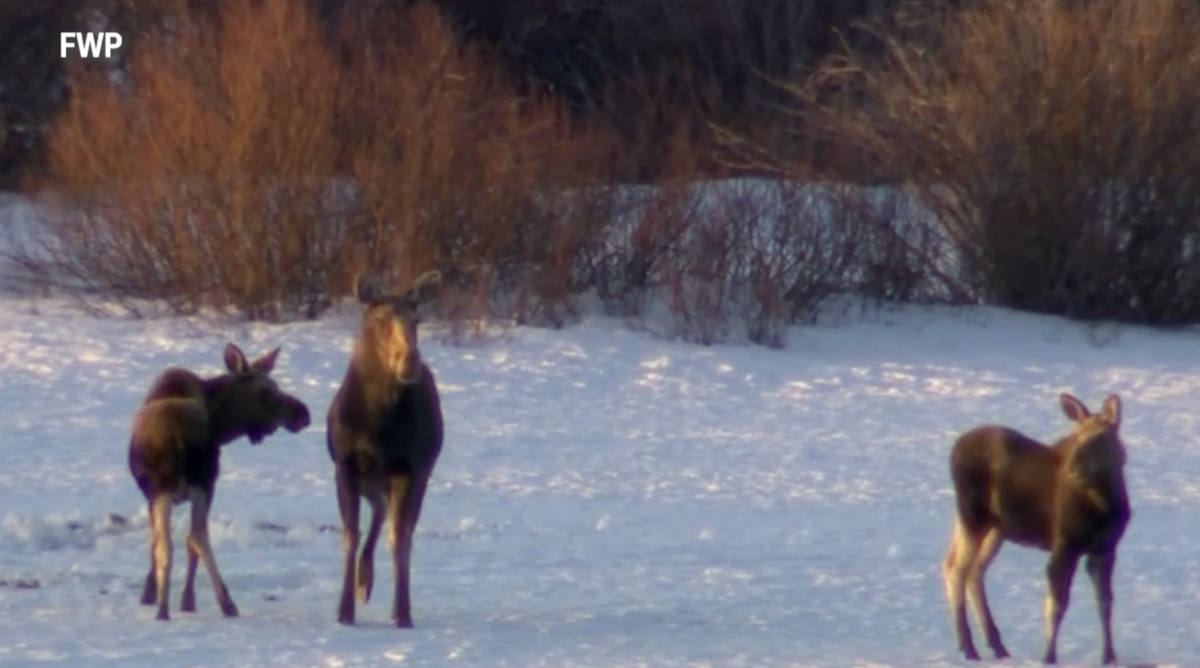
MONTANA — A study by Montana Fish, Wildlife and Parks (FWP) has shed light on the impact of winter ticks on local moose populations. These ticks have caused significant declines in moose numbers in the Northeast, leading to concerns about their potential effects in Montana as climate patterns change.
Glenn Marangelo from the Missoula Butterfly House and Insectarium highlighted the severity of the problem in the Northeast. "I don't know about the numbers that I've seen in Montana, but I know in the Northeast there's been moose that have been found with 30, 40, 50,000 ticks on them. So when you're talking thousands and thousands of ticks, obviously their numbers are doing pretty darn well," said Marangelo.
Winter ticks attach to their hosts in the fall, remain through the winter, and drop off in the spring to lay eggs. Moose are particularly vulnerable due to their ineffective grooming compared to deer or elk. This vulnerability can lead to heavy tick infestations, sometimes causing moose to lose large portions of their winter coat, earning the nickname "ghost moose."
Biologist Nick DeCesare from Montana FWP explained the phenomenon. "Yeah, so they can sometimes — a highly infected moose, they’ll call a ‘ghost moose’ because what they’ve essentially rubbed their hair off to the point where they’re actually breaking the brown parts of their coat off. And the bases of those hairs are white. So what you’re left with is sort of what looks like a sort of white coat on a moose that’s actually the broken bases of their hairs, which are broken off as a result of scratching at ticks," said DeCesare.
In Maine, where moose densities are higher and climates are wetter, these infestations have led to calf mortality and population declines. However, Montana's study tells a different story.
“What we found for moose in Montana was the populations that we studied were all at least stable, if not increasing. So there weren’t any big alarm bells going off that we’re seeing really strong declines anywhere in the places that we studied right now,” said DeCesare.
Although winter ticks are common in western Montana and can impact individual animals, they are not causing population collapse in the state. Instead, summer nutrition, other parasites and predation are the primary factors influencing moose survival. Changing weather patterns, affecting the timing of spring green-up, can lead to nutritional mismatches for moose, playing a larger role in long-term survival than winter ticks.
While there is no immediate cause for alarm, wildlife officials emphasize the importance of monitoring these trends to protect Montana's iconic moose population.



Comments ()